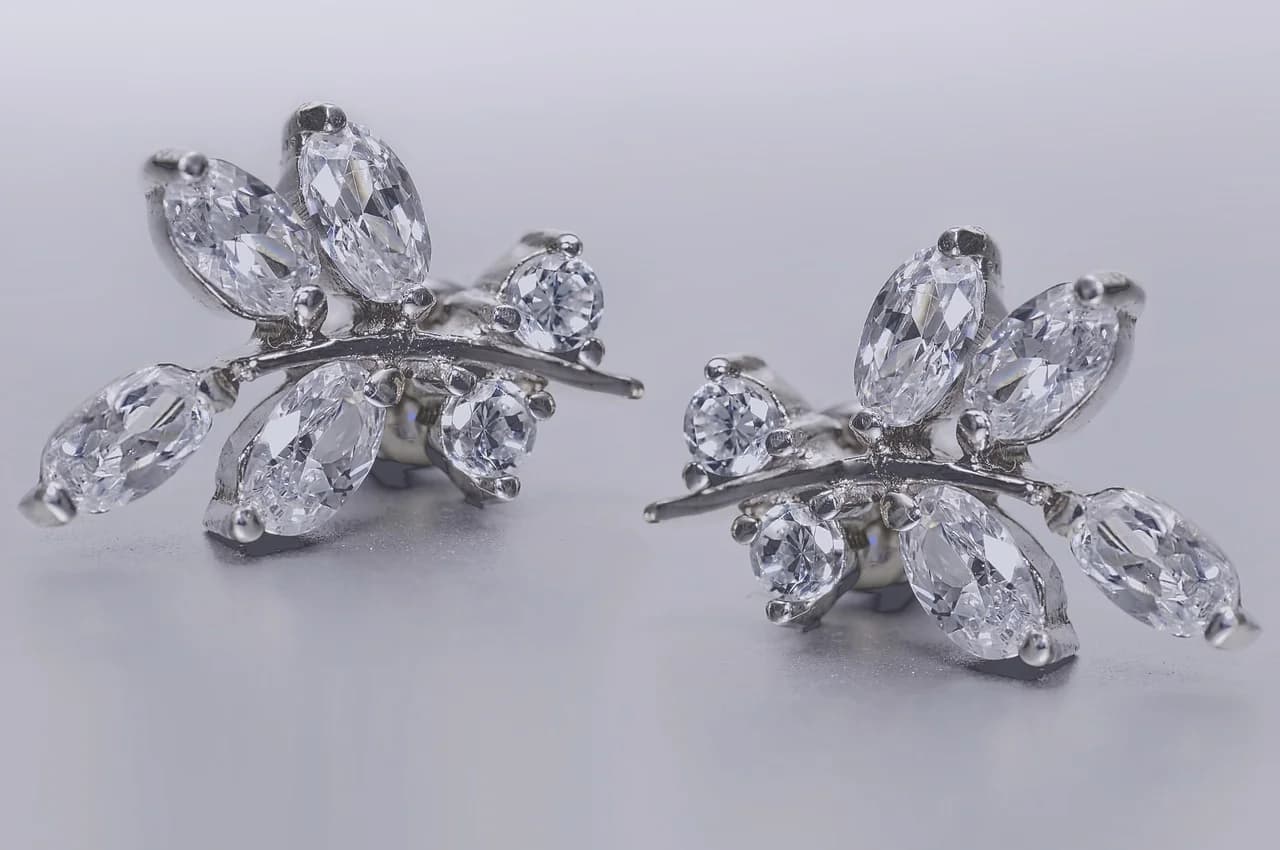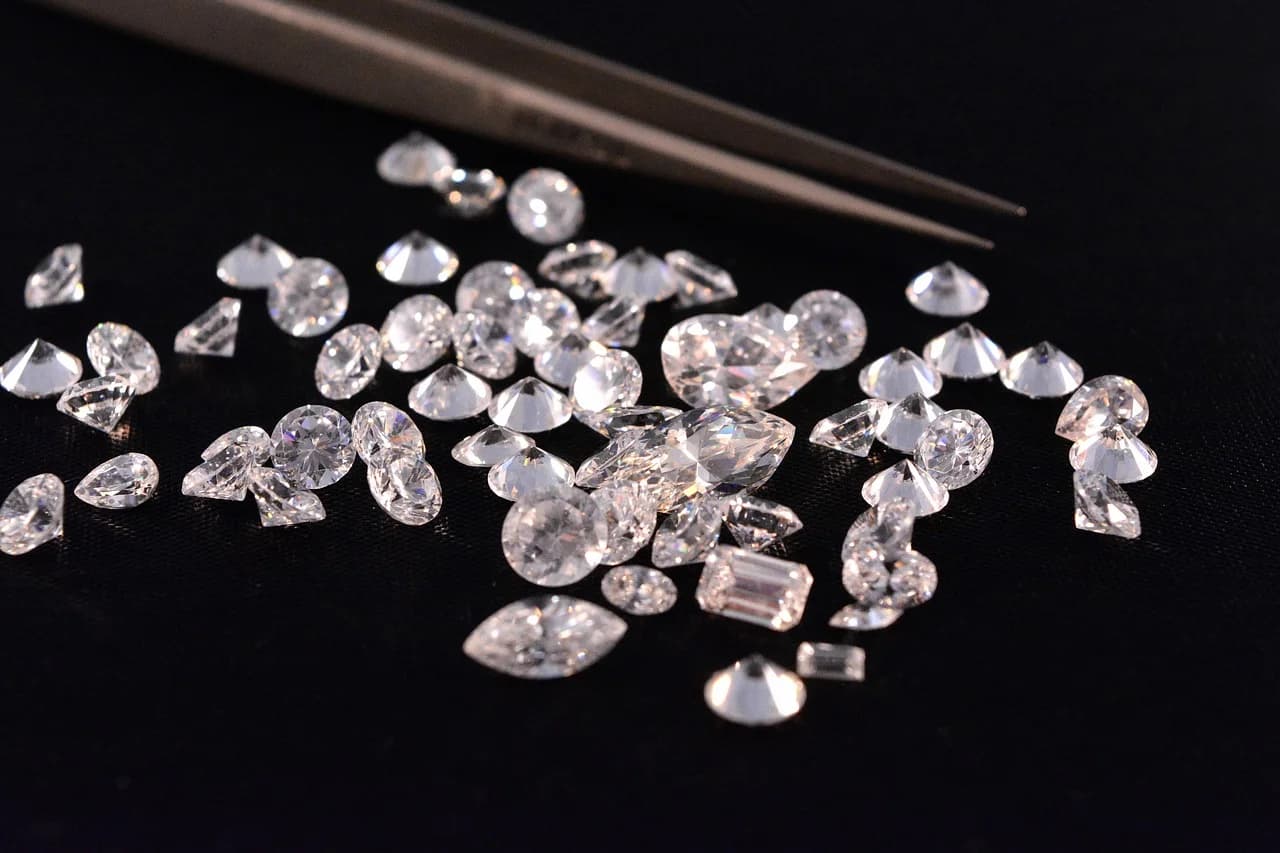
In recent years, lab-grown diamonds have taken the jewellery market by storm. Offering a sustainable and often more affordable option, these diamonds have captured the attention of consumers who are seeking both beauty and ethics in their jewellery purchases.
Yes. Lab-grown diamonds are real diamonds — chemically (pure crystallized carbon), physically (Mohs 10 hardness), and optically (identical brilliance and fire) identical to mined diamonds. The only difference is origin: lab-grown is produced in CVD or HPHT reactors over 6-10 weeks; mined formed in the earth's mantle over billions of years.
But the question still lingers for many: are lab-grown diamonds the same as real diamonds? Let’s explore this fascinating topic and uncover the truth behind lab-grown diamonds and their comparison to their natural counterparts.
What Are Lab Grown Diamonds?
Lab-grown diamonds are diamonds that are created in a controlled laboratory environment, using advanced technology to replicate the conditions under which natural diamonds are formed.
These man-made diamonds have the same physical, chemical, and optical properties as diamonds that are mined from the earth, making them indistinguishable to the naked eye. If you’re interested in seeing available options, check out lab grown diamonds in the UK.

Natural Diamonds vs Lab Grown Diamonds: A Quick Overview
Natural diamonds are formed over millions of years, deep within the Earth’s mantle, under intense pressure and heat.
In contrast, lab-grown diamonds are created in a matter of weeks using sophisticated techniques that mimic this natural process.
But aside from their origin, lab-grown and natural diamonds are virtually identical, at least in terms of their appearance and composition.
The Science Behind Lab Grown Diamonds
How Are Lab Grown Diamonds Made?
There are two main methods used to create lab-grown diamonds: High Pressure, High Temperature (HPHT) and Chemical Vapour Deposition (CVD).
Both processes begin with a tiny diamond "seed" that acts as the foundation for the diamond to grow.
- HPHT involves replicating the natural conditions in which diamonds are formed, using high temperatures and immense pressure to create the stone.
- CVD, on the other hand, uses a gas mixture that deposits carbon atoms onto the diamond seed, layer by layer, creating a crystal structure identical to natural diamonds.
If you’re curious about specific shapes and cuts available, you can search for round lab-grown diamonds or cushion lab-grown diamonds to explore your options.
Lab Grown Diamonds vs Simulants
It’s important to differentiate between lab-grown diamonds and diamond simulants like cubic zirconia or moissanite.
Simulants may look similar to diamonds but lack the same chemical composition and physical properties.
Lab-grown diamonds, however, are real diamonds, as they share the same carbon structure.
Lab Grown Diamonds vs Natural Diamonds: Key Differences
Formation Process
Natural diamonds form over millions of years through a slow and complex geological process.
Lab-grown diamonds, on the other hand, are created in just a few weeks in a laboratory, yet they possess the same physical characteristics as those formed in nature.
Time and Cost
The lengthy natural diamond formation process and the challenges of mining contribute to their higher cost.
Lab-grown diamonds, being faster and easier to produce, typically cost 30-40% less than natural diamonds of comparable quality. If you're looking for an affordable option, take a look at this diamond dealer in London offering wholesale diamonds.
Ethical and Environmental Impact
One of the primary appeals of lab-grown diamonds is their ethical and environmental benefits.
The diamond mining industry has long been associated with environmental damage and unethical practices, including labour exploitation.
Lab-grown diamonds eliminate these concerns, offering a more sustainable and ethically conscious option. Fancy something unique? Explore stunning fancy coloured lab-grown diamonds for a touch of individuality.
Price and Value
Lab-grown diamonds are significantly more affordable than natural diamonds.
However, while natural diamonds tend to retain or even appreciate in value over time, lab-grown diamonds currently have lower resale value.
This difference in long-term value may be a factor for those considering their purchase as an investment.
Rarity and Resale Value
Natural diamonds’ rarity makes them highly sought after, while lab-grown diamonds are more accessible due to their controlled production.
Because of this, natural diamonds typically hold their value better on the resale market.
Physical and Chemical Properties: Are They Really the Same?
Identical Composition
Both lab-grown and natural diamonds are made of carbon atoms arranged in a crystal lattice, giving them identical hardness (a 10 on the Mohs scale) and brilliance.
This means that in terms of appearance, sparkle, and durability, there’s no discernible difference between the two. Whether you're interested in pear lab-grown diamonds or princess lab-grown diamonds, the quality remains consistent across different shapes.
Grading and Certification
Lab-grown diamonds are graded and certified by the same institutions that evaluate natural diamonds, such as the Gemological Institute of America (GIA) and the International Gemological Institute (IGI).
They are judged on the same criteria: the 4Cs – Cut, Colour, Clarity, and Carat.
Can You Tell the Difference?
For the average consumer, lab-grown and natural diamonds are indistinguishable.
Even jewellers rely on specialised equipment to tell them apart.
Without advanced testing, it’s nearly impossible to spot the difference.
Advantages of Lab Grown Diamonds
Cost Efficiency
For those seeking a larger or higher quality diamond at a lower price point, lab-grown diamonds provide excellent value.
You can often get a bigger, better diamond for your money.
If you're looking for high-quality diamonds, you can browse radiant lab-grown diamonds or oval lab-grown diamonds for an exceptional selection.
Ethical and Sustainable
Lab-grown diamonds are a guilt-free choice for eco-conscious consumers.
Since they don’t require mining, they have a far lower environmental footprint.
Wide Variety
With greater control over the creation process, lab-grown diamonds offer more flexibility in terms of customisation.
They’re available in a wide range of colours and clarity, allowing you to choose the perfect stone to match your preferences. You can even explore unique cuts like heart-shaped lab-grown diamonds for something truly special.
Common Myths About Lab Grown Diamonds
There are several misconceptions about lab-grown diamonds.
Let’s clear up some of the most common myths.
Myth 1: Lab Grown Diamonds Are Fake
This couldn’t be further from the truth.
Lab-grown diamonds are chemically and physically identical to natural diamonds.
The only difference is where they are formed – in a lab, rather than in the earth.
Myth 2: They Don’t Sparkle Like Natural Diamonds
Lab-grown diamonds have the same brilliance, fire, and scintillation as natural diamonds.
When cut properly, they sparkle just as beautifully.
Myth 3: Lab Grown Diamonds Are Not as Durable
Lab-grown diamonds have the same hardness as natural diamonds, making them just as durable and suitable for everyday wear.
Are Lab Grown Diamonds a Good Investment?
Future Market Trends
The market for lab-grown diamonds is growing rapidly, with more consumers opting for these eco-friendly, cost-effective gems.
As technology advances, their popularity is likely to increase even further.
Long-Term Value
While natural diamonds have historically retained or increased in value, lab-grown diamonds currently do not hold the same long-term investment appeal.
However, they remain an excellent choice for those focused on affordability and ethics.
Resale Potential
The resale value of lab-grown diamonds is typically lower than that of natural diamonds.
For those looking for an investment piece, natural diamonds may be a better option, but for sentimental and aesthetic purposes, lab-grown diamonds are just as valuable.
Lab Grown vs Natural Diamonds
Lab-grown diamonds are undoubtedly real diamonds, possessing the same physical and chemical properties as natural diamonds.
While they may differ in terms of cost, ethical impact, and resale value, they offer a, affordable, and environmentally friendly alternative to mined diamonds.
Ultimately, whether you choose a lab-grown or natural diamond depends on your personal values and preferences.
FAQs
Are lab-grown diamonds as durable as natural diamonds?
Yes, lab-grown diamonds have the same hardness as natural diamonds, making them just as durable and perfect for everyday wear.
Can you tell the difference between a lab-grown diamond and a natural diamond?
No, lab-grown and natural diamonds are visually identical. Specialised equipment is required to distinguish between the two.
Are lab-grown diamonds real diamonds?
Yes, lab-grown diamonds are real diamonds. They have the same chemical composition and physical properties as natural diamonds.
Are lab-grown diamonds worth buying?
Lab-grown diamonds are an excellent option if you're looking for a more affordable and ethically sourced diamond. However, they may not hold their value over time like natural diamonds.
Why are lab-grown diamonds cheaper?
Lab-grown diamonds are less expensive because they are quicker and easier to produce than natural diamonds, and they aren’t subject to the same mining costs.