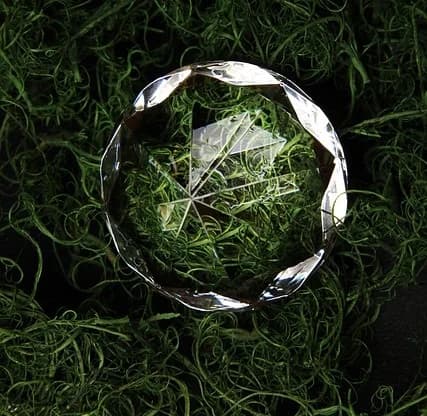
Diamonds have long been treasured for their beauty, rarity, and symbolic value. However, as technology has advanced, so has our ability to recreate these stunning gems in a lab. Lab-grown diamonds are becoming increasingly popular, offering a more affordable, ethical, and sustainable option for those in the market for a brilliant stone. But how exactly are these diamonds made? And what are the benefits of choosing one over a natural diamond? Let’s dive into everything you need to know about lab-grown diamonds.
Lab-grown diamonds are produced by HPHT (deep-Earth conditions on a diamond seed, 6-10 weeks) or CVD (carbon-rich gas layer-by-layer, 3-4 weeks). Both produce stones chemically identical to mined diamonds. Benefits: 60-80% lower cost, ~10% environmental footprint, zero Kimberley-Process risk, identical Mohs 10 hardness and full GIA/IGI certification.
What Are Lab Grown Diamonds?
Lab-grown diamonds, as the name suggests, are diamonds that are created in a controlled lab environment, rather than being mined from the earth. They have the same chemical, physical, and optical properties as natural diamonds, making them indistinguishable to the naked eye. In fact, unless you have specialised equipment, even experts can struggle to tell the difference between a natural and a lab-grown diamond.

Lab diamonds are not diamond simulants, such as cubic zirconia or moissanite, which only look like diamonds. They are real diamonds, just created in a different way. If you're interested in exploring options, check out lab-grown diamonds available in the UK.
How Are Lab Grown Diamonds Made?
There are two main methods used to grow diamonds in a lab: Chemical Vapour Deposition (CVD) and High-Pressure High-Temperature (HPHT). Both processes produce stunning diamonds, but they take different approaches to achieve the same result.
Chemical Vapour Deposition (CVD)
CVD involves placing a diamond ‘seed’ in a vacuum chamber, which is then filled with carbon-rich gas. When this gas is heated, the carbon breaks apart and adheres to the seed, gradually growing layer by layer into a diamond. The process can take weeks, depending on the desired size of the diamond.
CVD diamonds are known for their high purity and are often chosen for their exceptional clarity. You can browse a range of round lab-grown diamonds to find your perfect match.
High-Pressure High-Temperature (HPHT)
HPHT diamonds are made by mimicking the natural conditions that create diamonds deep within the Earth. In this method, a small diamond seed is exposed to extremely high pressure and temperatures (over 1,500°C) in a specialised press. This causes carbon atoms to bond and form a diamond crystal.
HPHT diamonds are typically used to produce larger diamonds and can also be treated to enhance colour. You can explore stunning options, including fancy coloured diamonds, which come in a variety of hues.
Comparing Lab Grown Diamonds to Natural Diamonds
Visual and Physical Characteristics
One of the most common questions about lab-grown diamonds is whether they look any different from natural diamonds. The answer is no – lab-grown diamonds have the same brilliance, fire, and sparkle as natural diamonds. Their physical characteristics are identical, and only with advanced equipment can the differences be detected.
Durability and Hardness
In terms of durability, lab-grown diamonds are just as hard as natural diamonds. Both score a 10 on the Mohs scale of hardness, which makes them the hardest known substance on Earth. This means lab-grown diamonds are incredibly durable and resistant to scratches and chips, making them perfect for everyday jewellery like engagement rings.
Certification and Grading
Like natural diamonds, lab-grown diamonds are graded and certified by the same gemological institutes, such as the GIA (Gemological Institute of America) and IGI (International Gemological Institute). They are assessed on the same 4Cs: cut, clarity, colour, and carat weight, ensuring you can make a direct comparison when shopping for a diamond. You can even search for cushion lab-grown diamonds by their specifications to find exactly what you need.
The Benefits of Lab Grown Diamonds
Affordability
One of the most attractive aspects of lab-grown diamonds is their price. On average, they are about 30-40% less expensive than natural diamonds. This means you can get a larger or higher quality stone for your budget without sacrificing any of the beauty or brilliance. For many, this affordability opens up the possibility of owning a diamond that might otherwise be out of reach.
Ethical and Conflict-Free
Mining natural diamonds has long been associated with environmental and ethical issues, including the funding of conflicts and exploitation of workers in some regions. Lab-grown diamonds, however, are completely conflict-free, offering peace of mind that your diamond purchase is not contributing to these issues.
Environmental Sustainability
The environmental benefits of lab-grown diamonds are significant. Traditional diamond mining involves extensive land disruption, energy consumption, and the potential for environmental damage. Lab-grown diamonds, on the other hand, require significantly less energy and produce far fewer carbon emissions. With the increasing focus on sustainability, lab-grown diamonds are a more eco-friendly choice.
Customisation and Innovation
Lab-grown diamonds offer a world of possibilities when it comes to customisation. Since they are made in a controlled environment, they can be tailored to meet specific size, colour, and clarity preferences. Also, advances in technology continue to push the boundaries of what’s possible, with lab-grown diamonds often featuring unique colours or being used in cutting-edge jewellery designs. You can start your search by checking out various cuts, such as pear lab-grown diamonds or radiant lab-grown diamonds.
Misconceptions About Lab Grown Diamonds
There are still some common misconceptions about lab-grown diamonds that deserve to be addressed.
- Lab Diamonds Are Fake: This is a myth. Lab-grown diamonds are not fake. They are chemically and physically identical to natural diamonds. The only difference is their origin.
- Lab Diamonds Don’t Hold Value: It’s true that lab-grown diamonds may not hold the same resale value as natural diamonds. However, for most people, a diamond’s value comes from its meaning and personal significance, rather than its potential resale value. Also, as lab diamonds become more popular, their market value could shift over time.
Choosing Lab Grown Diamonds for Engagement Rings
More and more couples are opting for lab-grown diamonds when selecting engagement rings. The reasons are clear: you get the same stunning brilliance, at a fraction of the price, with the added bonus of knowing your diamond is conflict-free and eco-friendly. Customisation options also mean you can design the perfect ring to symbolise your unique love story. Check out lab-grown engagement rings to explore your options.
FAQs About Lab Grown Diamonds
What’s the difference between lab-grown diamonds and diamond simulants?
Lab-grown diamonds are real diamonds, identical in every way to natural diamonds. Diamond simulants, such as cubic zirconia or moissanite, are not real diamonds. They may look similar, but they do not share the same physical or chemical properties.
Can anyone tell the difference between a lab-grown and a natural diamond?
Without specialised equipment, it is nearly impossible to distinguish between a lab-grown and a natural diamond. Even trained gemologists rely on advanced tools to make this determination.
Are lab-grown diamonds a good investment?
Lab-grown diamonds generally don’t hold the same resale value as natural diamonds. However, they are a great investment for those looking for an affordable, ethical, and sustainable alternative.
Do lab-grown diamonds come with certifications?
Yes, lab-grown diamonds are certified by the same gemological institutes as natural diamonds, including the GIA and IGI. They are graded on the same 4Cs: cut, clarity, colour, and carat weight.
The Future of Lab Grown Diamonds
Lab-grown diamonds are quickly gaining recognition as a smart, ethical, and sustainable choice for today’s buyers. With their beauty, affordability, and eco-friendly benefits, it’s easy to see why they’re becoming a popular alternative to natural diamonds. Whether you’re choosing one for an engagement ring or just adding some sparkle to your jewellery collection, lab-grown diamonds offer a brilliant future for diamond lovers everywhere.
