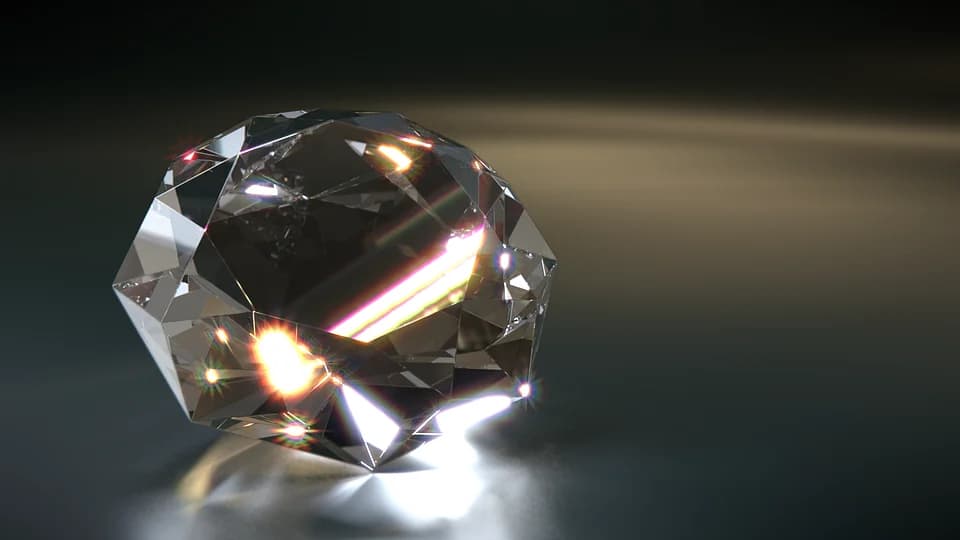
In recent years, lab grown diamonds have taken the jewellery industry by storm, offering a revolutionary approach to luxury that aligns with modern values. These diamonds, virtually indistinguishable from their mined counterparts, are reshaping the way we think about fine jewellery, blending innovation with sustainability. If you’re curious about lab grown diamonds and why they are becoming the new standard, this guide will walk you through everything you need to know.
Lab-grown diamonds have shifted what's accessible in fine jewellery: 1ct centre stones now standard sub-£2,000, 3-5ct stones sub-£5,000, complete bridal sets (engagement ring + wedding band + earrings) within typical engagement-ring budgets. The combination of 60-80% cost saving and ~10% environmental footprint is restructuring the entire industry.
What Are Lab Grown Diamonds?
Lab grown diamonds are real diamonds created in a laboratory rather than extracted from the earth. They possess the same physical, chemical, and optical properties as mined diamonds, meaning they are just as dazzling and durable.
If you're interested in exploring options for lab grown diamonds, check out lab grown diamonds in the UK to see a variety of choices available.
The process involves simulating the conditions under which diamonds naturally form. Two methods are primarily used: High Pressure, High Temperature (HPHT) and Chemical Vapour Deposition (CVD). In both cases, a diamond seed is placed in a controlled environment and exposed to conditions that replicate the intense heat and pressure found deep within the earth. Over time, the seed grows into a full diamond.
The result is a gemstone that rivals natural diamonds in every way, but without the environmental and ethical concerns associated with traditional mining.
The Science Behind Lab Grown Diamonds
To understand why lab grown diamonds are such a game-changer, it’s helpful to look at how they are made. HPHT involves mimicking the natural process of diamond formation by applying high pressure and high temperature to a diamond seed. CVD, on the other hand, creates diamonds by using a gas mixture that deposits carbon atoms onto a seed crystal, layer by layer. Both methods produce diamonds that are identical in structure and quality to those found in nature.
If you're curious about the specific shapes available, take a look at round lab grown diamonds, princess cut lab grown diamonds, or oval lab grown diamonds for some stunning options.
Lab Grown Diamonds vs Natural Diamonds: Key Differences
While lab grown diamonds are visually and chemically identical to natural diamonds, their key difference lies in their origin. Natural diamonds are formed over billions of years in the earth’s mantle, while lab grown diamonds are created in a matter of weeks in a controlled lab environment.
One of the most significant differences is the environmental impact. Lab grown diamonds are a far more sustainable option, as they don’t require large-scale mining operations that can damage ecosystems. they are completely free of the ethical concerns related to conflict or blood diamonds, offering a guilt-free alternative for conscious consumers.
For those looking for something truly unique, you might want to check out the range of fancy coloured diamonds or even lab grown fancy coloured diamonds, which combine the beauty of vivid colours with the ethical benefits of lab creation.
Why Lab Grown Diamonds Are Gaining Popularity
There’s no doubt that lab grown diamonds are on the rise. More and more people are choosing them for engagement rings, wedding bands, and other fine jewellery pieces. So, what’s behind this surge in popularity?
Firstly, consumers today are more conscious of the environmental and ethical impact of their purchases. Lab grown diamonds align perfectly with these values, offering a sustainable and conflict-free option without the compromises of traditional mining.
Secondly, lab grown diamonds offer excellent value for money. You can get a diamond that is visually identical to a natural diamond, but at a fraction of the price. This affordability allows consumers to purchase larger or higher-quality stones without exceeding their budget.
Lastly, lab grown diamonds have been embraced by fashion-forward individuals and celebrities, making them a trendsetting choice for modern jewellery.
Lab Grown Diamonds and the Ethical Jewellery Movement
The ethical jewellery movement is all about transparency, sustainability, and conscious consumption. Lab grown diamonds tick all these boxes. They offer a way to enjoy the beauty and luxury of diamonds without contributing to the environmental destruction and human rights abuses associated with some traditional diamond mining operations.
By choosing lab grown diamonds, you are opting for a gemstone that is completely traceable, ensuring it hasn’t been sourced from conflict zones. This makes them an ideal choice for individuals who value ethics as much as aesthetics in their jewellery.
For those interested in purchasing from trusted sources, be sure to check out diamond dealers in London, who offer both lab grown and natural options for a variety of jewellery needs.
The Role of Lab Grown Diamonds in Sustainable Fashion
Sustainability is more than just a buzzword; it’s a driving force in today’s fashion industry. As consumers become increasingly aware of the environmental impact of their purchases, the demand for sustainable and eco-friendly products has skyrocketed. Lab grown diamonds are part of this movement, offering a responsible choice that aligns with the values of sustainable fashion.
By using fewer natural resources and reducing the environmental damage associated with mining, lab grown diamonds are helping to set a new standard in luxury. This shift towards more sustainable practices is not only reshaping the jewellery industry but also influencing the broader fashion world.
Innovations in Jewellery Design Using Lab Grown Diamonds
Lab grown diamonds have opened up new possibilities for jewellery designers. With the same quality as natural diamonds but at a lower price point, designers can push the boundaries of creativity and create intricate, unique designs that might have been too expensive to produce with natural diamonds.
From contemporary settings to bold, avant-garde pieces, lab grown diamonds are at the forefront of innovative jewellery design. Customisation has also become more accessible, allowing consumers to create bespoke jewellery that reflects their personal style.
For those interested in specific cuts, take a look at emerald cut lab grown diamonds or the elegant pear cut lab grown diamonds.
Affordability Without Compromise: The Cost Advantage of Lab Grown Diamonds
One of the most compelling reasons to choose lab grown diamonds is their affordability. Because they are created in a controlled environment, lab grown diamonds can be produced more efficiently and at a lower cost than natural diamonds.
This cost advantage means you can afford a larger or higher-quality diamond than you might be able to with a natural one. Whether you’re shopping for an engagement ring, a special gift, or simply a beautiful piece of fine jewellery, lab grown diamonds offer the opportunity to invest in something truly special without breaking the bank.
For inspiration, check out the full range of round lab grown diamonds or explore other popular cuts like cushion cut lab grown diamonds.
Lab Grown Diamonds: A Smart Investment in the Future
While natural diamonds have long been seen as an investment, lab grown diamonds are now being viewed in a similar light. As demand continues to rise, the value of lab grown diamonds may well increase, making them a smart choice for forward-thinking jewellery lovers.
with their ethical and environmental credentials, lab grown diamonds offer emotional value that goes beyond their financial worth. Owning a lab grown diamond is not just about possessing a beautiful gem; it’s about supporting a more sustainable and ethical future for the jewellery industry.
The Future of Fine Jewellery: A New Era of Lab Grown Diamonds
The future of fine jewellery is undoubtedly being shaped by lab grown diamonds. As more consumers embrace sustainable and ethical options, lab grown diamonds are set to become the new standard in luxury.
With advancements in technology continuing to refine the production process, we can expect to see even more innovation in jewellery design. Whether you’re looking for a timeless classic or a statement piece, lab grown diamonds are leading the way in ushering in a new era of fine jewellery.
FAQs
- Are lab grown diamonds real diamonds?
Yes, lab grown diamonds are real diamonds. They have the same physical, chemical, and optical properties as natural diamonds. - How long do lab grown diamonds last?
Lab grown diamonds are just as durable as natural diamonds and will last forever with proper care. - Can you tell the difference between lab grown and natural diamonds?
No, lab grown and natural diamonds are virtually indistinguishable to the naked eye. Only specialised equipment can detect the difference. - Are lab grown diamonds cheaper than natural diamonds?
Yes, lab grown diamonds are generally more affordable than natural diamonds, making them a cost-effective option for fine jewellery. - What makes lab grown diamonds environmentally friendly?
Lab grown diamonds have a significantly lower environmental impact than mined diamonds. They don’t require the large-scale excavation of land, and the energy used in their production is often more controlled and sustainable.
