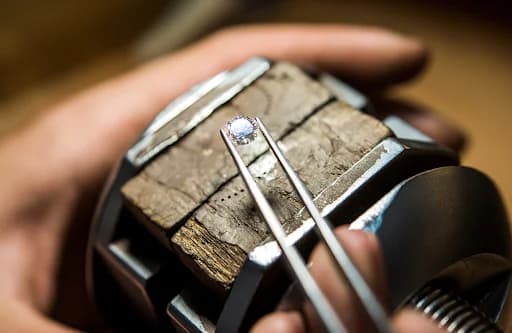
Man made diamonds — also called lab-grown or lab-created diamonds — have moved from niche curiosity to a mainstream choice for UK shoppers. Whether you are searching for the perfect engagement ring, an anniversary gift or a treat for yourself, understanding how these stones are grown, certified and priced will help you buy with confidence. At Rêve Diamonds we specialise in high-quality lab-grown diamonds, and this guide explains everything a UK buyer should know.
Man made diamonds are real diamonds grown in a laboratory using HPHT or CVD technology. They are chemically, physically and optically identical to mined diamonds, share the same Mohs 10 hardness, and can be certified by GIA or IGI. In the UK they typically cost around 60–80% less than a comparable natural diamond — a 1.50ct G/VS1 round set in 18ct gold often sits around £1,600–£2,600, rather than £6,000 or more for the mined equivalent.
What Are Man Made Diamonds?
Man made diamonds are genuine diamonds grown in a laboratory rather than mined from the earth. They share the identical chemical composition (pure crystallised carbon), the same crystal structure, and the same optical and physical properties as natural diamonds. Under a loupe — or even to a trained gemmologist — a lab-grown diamond looks exactly like a mined one, because it is a diamond. They should not be confused with diamond simulants such as cubic zirconia or moissanite, which only imitate a diamond's appearance. You can learn the fundamentals in our diamond education hub.
How Man Made Diamonds Are Grown
Two proven technologies are used to grow diamonds above ground, both beginning from a tiny diamond seed:
- High Pressure, High Temperature (HPHT): recreates the extreme heat and pressure found deep in the earth's mantle, encouraging carbon to crystallise around the seed.
- Chemical Vapour Deposition (CVD): places the seed in a chamber filled with carbon-rich gases; under heat the carbon atoms settle onto the seed layer by layer, building the diamond over several weeks.
The result of either method is a rough diamond that is then cut and polished exactly like a mined stone. You can explore the finished results across our lab-grown diamond collection.
Why UK Buyers Are Choosing Man Made Diamonds
- Value: typically 60–80% less than a comparable natural diamond, so your budget stretches to a larger or higher-quality stone.
- Traceability: a known, conflict-free origin that appeals to ethically minded buyers.
- Lower environmental footprint: no mining, and a smaller land and water impact than extraction.
- Identical beauty and strength: the same fire, brilliance and durability (Mohs 10) as mined diamonds.
How Much Do Man Made Diamonds Cost in the UK?
Because they avoid the costs of mining, man made diamonds are far more affordable. As a rough guide, a 1.00ct G/VS1 round lab-grown diamond set in 18ct gold often costs around £900–£1,500, while a 1.50ct equivalent typically sits around £1,600–£2,600 — frequently 60–80% below the price of a mined diamond of the same specification. Prices move with the 4Cs (cut, colour, clarity and carat), so a well-cut stone in a classic eternity ring can look far larger than its price suggests.
Man Made vs Natural Diamonds
Side by side, a lab-grown and a natural diamond of the same grade are visually indistinguishable. The real differences are origin, price and long-term resale expectations. For a detailed breakdown, see our natural vs lab-grown price comparison.
Certification: GIA and IGI
Reputable man made diamonds are independently graded, most often by IGI or GIA. The certificate confirms the stone is laboratory-grown and documents its 4Cs, giving you the same reassurance you would expect from a natural diamond. Always insist on certification when you buy.
Common Myths, Debunked
- "They're fake." False — they are real diamonds, chemically identical to mined stones.
- "They're the same as cubic zirconia." No — cubic zirconia is a simulant with different properties; a man made diamond is a true diamond.
- "They won't last." With Mohs 10 hardness they are just as durable and ideal for everyday wear.
- "You can spot the difference." Not by eye — only specialised laboratory equipment can distinguish origin.
How to Buy a Man Made Diamond in the UK
Decide on your priorities among the 4Cs, choose a shape you love, and buy from a specialist who provides independent certification. At Rêve Diamonds you can browse certified lab-grown stones set into engagement rings, eternity rings, pendants and necklaces and matching pieces, each backed by a grading report.
Frequently Asked Questions
Are man made diamonds the same as cubic zirconia?
No. Man made diamonds are chemically identical to mined diamonds, whereas cubic zirconia is a simulant that only mimics a diamond's look and lacks its hardness and brilliance.
How long do man made diamonds last?
A lifetime. With a hardness of 10 on the Mohs scale they are the hardest known material, making them perfect for everyday jewellery.
Is there a visible difference between man made and natural diamonds?
No. They are optically identical; distinguishing them requires specialised laboratory equipment, not the naked eye.
How do I know a man made diamond is genuine?
Insist on an independent grading report from IGI or GIA, which confirms the stone is laboratory-grown and records its 4Cs.
Man made diamonds offer the beauty and durability of a natural diamond at a far friendlier price, making them an ideal choice for UK couples and collectors alike. For more, read our beginner's guide to lab-grown diamonds.