Spinel was added to the modern August birthstone list in 2016 as a third option alongside peridot and sardonyx. Long mistaken for ruby (the famous Black Prince's Ruby in the British Crown Jewels is actually a red spinel), spinel has emerged in the last decade as a serious collector gemstone with rich colour range and strong durability. This guide covers what spinel is, the main varieties, and what to look for when buying one.
Spinel was added to August birthstones in 2016 (alongside peridot and sardonyx) and is finally getting the recognition it deserves. Mohs 8, no cleavage plane, typically untreated. Available in red, pink, blue, and purple, often priced 30-60% below ruby or sapphire of equivalent colour. The famous "Black Prince's Ruby" in the British Crown Jewels is actually a spinel.
What is spinel
Spinel is a magnesium aluminium oxide that crystallises in cubic form. It scores 8 on the Mohs hardness scale — durable enough for daily-wear jewellery, with no cleavage plane (unlike topaz, which can split). Pure spinel is colourless; trace elements produce red, pink, blue, purple, orange, and rarely the prized "cobalt blue" colour. Most spinel is naturally coloured and not treated — a significant advantage over corundum varieties that are commonly heat-treated.
Spinel varieties
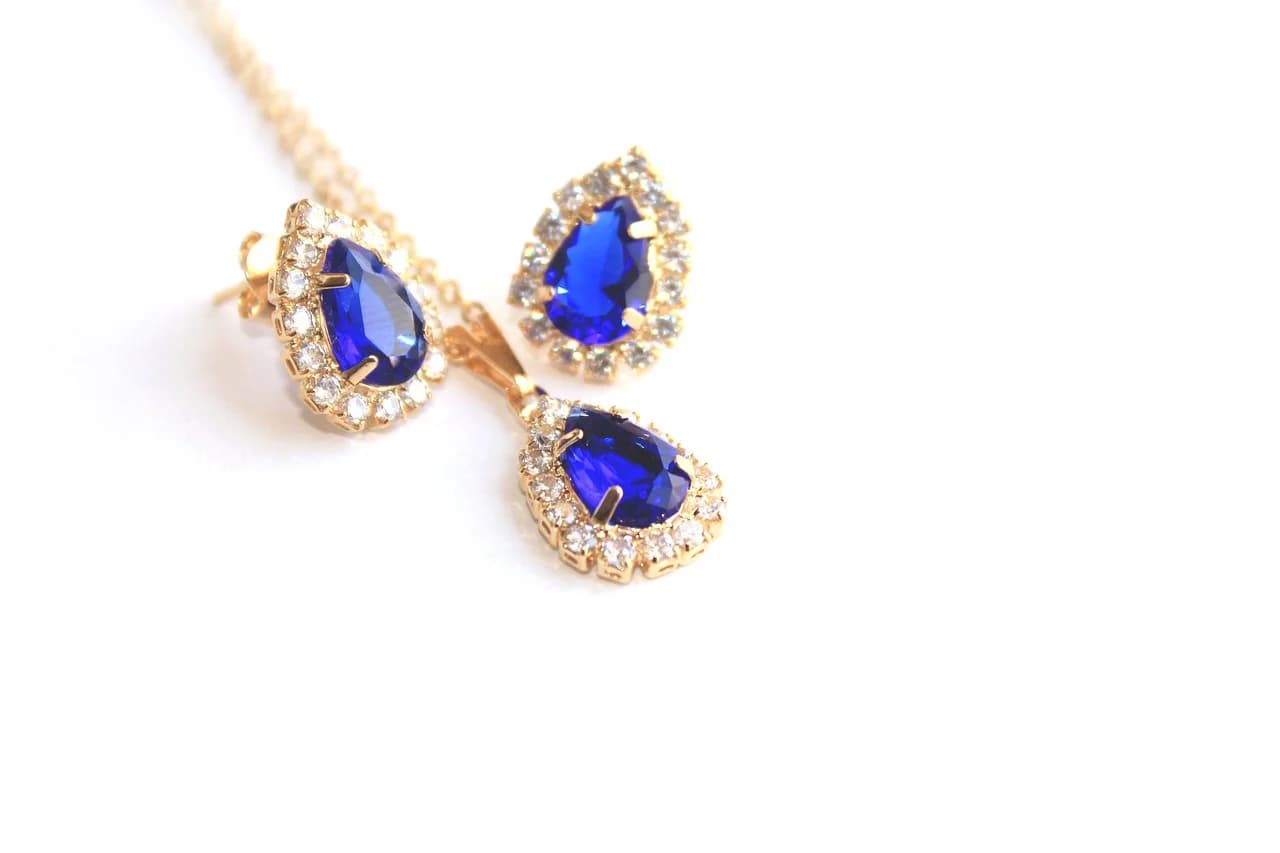
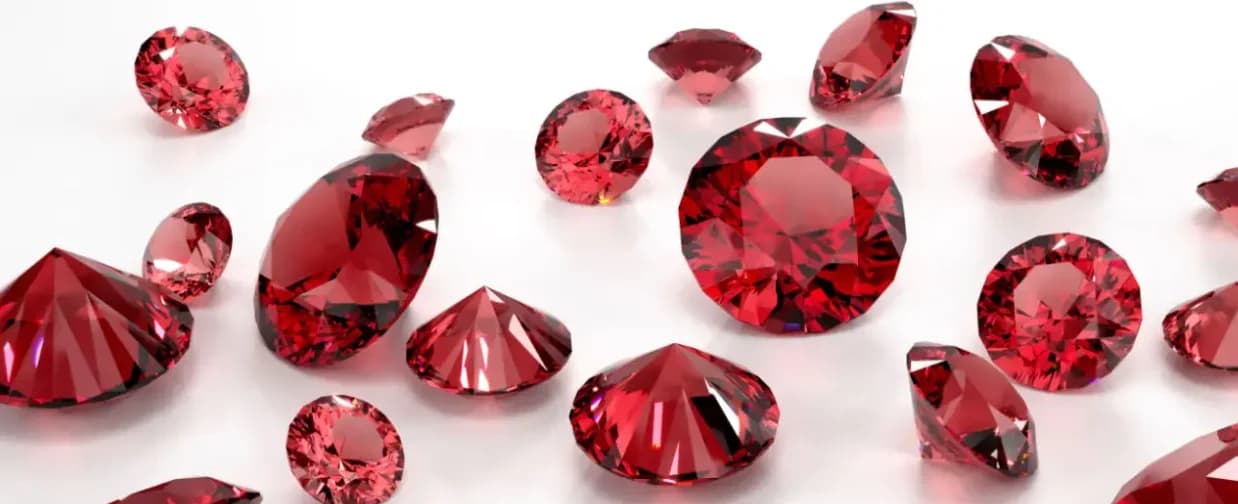
Red spinel is the historically most-valuable variety — vivid pigeon-blood reds command prices approaching fine ruby. Pink spinel (Mahenge pink from Tanzania is particularly prized) has soared in popularity over the past decade and offers a clean alternative to pink sapphire. Cobalt blue spinel from Sri Lanka and Vietnam shows neon-vivid colour found in almost no other gemstone. Purple, orange, and grey-blue spinels offer collector character at lower prices.
Origin and supply
Burma (Myanmar) historically produced the finest red spinels, including the famous Mogok specimens. Tanzania's Mahenge mine, discovered in 2007, produces extraordinary vivid pink spinels in larger sizes than any prior source. Vietnam, Sri Lanka, Tajikistan, and Pakistan all produce significant spinel. Unlike many coloured gemstones, spinel supply remains active and growing — though top-quality stones in larger sizes are scarce and command rising prices.
Pricing
A 1-carat fine red spinel starts around £600–£1,200; Burmese pigeon-blood specimens can reach £4,000–£8,000 per carat. Mahenge pink spinel in vivid pink-red runs £800–£3,000 per carat. Cobalt blue spinel from Sri Lanka commands £500–£2,000 per carat. Compared with ruby and sapphire of similar colour and quality, spinel typically prices 30–60% lower — making it an excellent value-and-character pick.
Spinel in jewellery
Spinel's 8 hardness, lack of cleavage, and absence of common treatments make it well-suited to engagement rings and daily-wear pieces. The colour range — red, pink, blue, purple, orange — gives more aesthetic flexibility than most coloured gemstones. Red spinel set in yellow gold reads warm and vintage; cobalt blue spinel in platinum reads modern and striking. The stone takes a brilliant cut well, displaying strong light return.
Frequently Asked Questions
Is spinel the same as ruby?
No. Spinel and ruby are different minerals — ruby is corundum (aluminium oxide), spinel is magnesium aluminium oxide. They were historically confused because they often occur in the same deposits and display similar red colour, but they have different chemistry, crystal structure, and optical properties. Modern gemology distinguishes them easily through refractive index and other tests.
Is spinel a good choice for an engagement ring?
Yes — spinel is well-suited to engagement rings. Mohs 8 hardness handles daily wear, no cleavage plane means no risk of splitting, and spinel is typically untreated (a value-and-stability advantage). For buyers wanting a ruby-like red or sapphire-like blue at lower cost, spinel delivers both. The colour range also gives more aesthetic options than the standard sapphire-or-ruby choice.
Why is spinel less expensive than ruby or sapphire?
Two reasons. First, spinel was historically misidentified — much "ruby" jewellery in museums and royal collections is actually spinel, which suppressed the spinel brand for centuries. Second, ruby and sapphire have larger collector and trade communities, more standardised grading, and historical demand from major brands. Spinel's pricing reflects its emerging status; many gem experts expect spinel prices to continue rising over the next decade.
Are there synthetic spinels?
Yes — synthetic spinel has been produced since the 1900s by the flame-fusion method. Synthetic spinels are cheap and used widely in costume jewellery and birthstone gifts. Most gem-quality jewellery uses natural spinel, which is more valuable. Reputable retailers always disclose whether a spinel is natural or synthetic on the certificate.
How do I care for spinel jewellery?
Spinel's 8 hardness and lack of cleavage make it one of the most durable coloured gemstones for daily wear. Clean with warm soapy water and a soft brush; ultrasonic and steam cleaning are generally safe (avoid for fracture-filled stones — ask the retailer about treatments). Store separately from harder stones to prevent scratching the spinel. Annual prong inspection for ring-set stones is recommended.
Explore spinel jewellery at Reve
Reve Diamonds creates bespoke spinel pendants, earrings, and rings at our London showroom. Browse our engagement rings collection for inspiration or contact us for a custom commission with a hand-selected spinel centre stone.