The Rise of Lab-Grown Diamonds in the UK Market
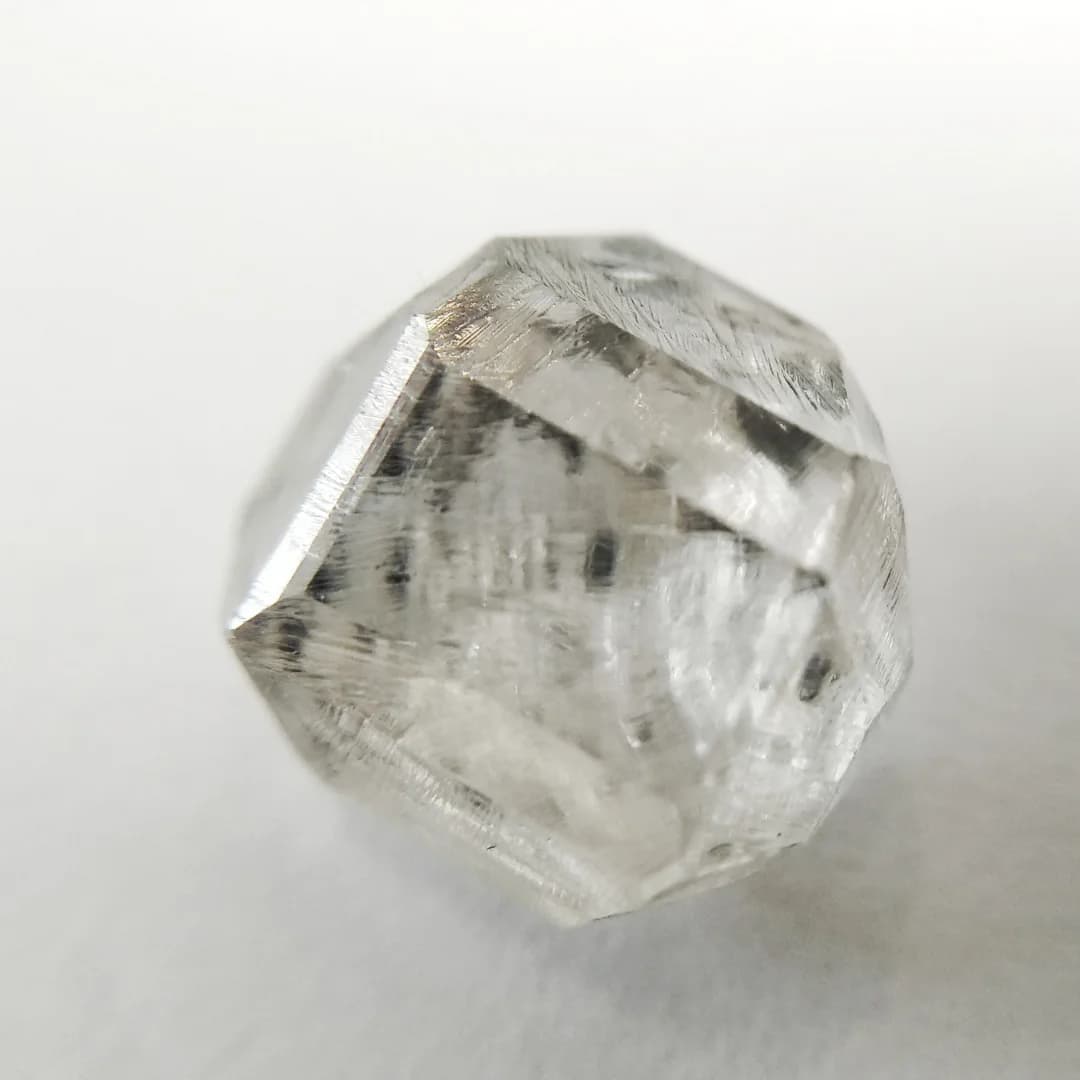
Lab-grown diamonds have seen a remarkable surge in popularity in recent years, especially in the UK. With their ethical appeal, affordability, and virtually identical qualities to natural diamonds, it's no surprise that more consumers are considering these sparkling gems as an alternative to mined diamonds.
In short: UK lab-grown diamond demand has grown from under 15% of engagement-ring centre stones in 2020 to over 60% in 2025. The 60-80% price advantage (1.00ct D/VS1 lab-grown round at £1,400-£1,800 versus £6,500+ natural) lets average UK buyers double centre-stone size on the £3,928 2025 average spend. Hatton Garden specialists now stock more lab-grown than mined inventory by volume.
In this article, we’ll explore the factors driving the rise of lab-grown diamonds in the UK, from ethical concerns to their increasing presence in the jewellery market.
What Are Lab-Grown Diamonds?
Lab-grown diamonds, sometimes called synthetic or man-made diamonds, are real diamonds created in a laboratory environment. These diamonds are made using one of two processes: Chemical Vapour Deposition (CVD) or High Pressure High Temperature (HPHT). Both methods simulate the natural conditions under which diamonds form, resulting in stones that are chemically, physically, and optically identical to those mined from the earth.
It's important to note that lab-grown diamonds are distinct from diamond simulants like cubic zirconia. While simulants may look like diamonds to the untrained eye, they don’t have the same structure or properties as lab-grown diamonds. If you're interested in exploring options, check out lab-grown diamonds here.
Why Lab-Grown Diamonds Appeal to UK Consumers
There are several reasons why lab-grown diamonds are becoming more popular among UK consumers:
Ethical Considerations
The ethical concerns surrounding natural diamond mining, including environmental degradation and human rights abuses in conflict regions, have made many buyers reconsider their jewellery choices. Lab-grown diamonds offer an ethical alternative, as they are created in a controlled environment without the negative impact on local communities or ecosystems. This peace of mind is a key selling point for socially conscious consumers.
Environmental Impact
Lab-grown diamonds are also a more sustainable choice. Diamond mining is associated with large-scale environmental destruction, from soil erosion to water pollution and deforestation. In contrast, the process of growing diamonds in a lab has a significantly lower carbon footprint. As awareness of climate change and sustainability grows, more UK buyers are choosing lab-grown diamonds to align with their environmental values. If you're exploring environmentally friendly options, check out fancy coloured lab-grown diamonds.
Affordability
Another major factor driving the rise of lab-grown diamonds is their cost. Lab-grown diamonds are typically 20-40% less expensive than natural diamonds of comparable size and quality. This makes them an attractive option for those looking to purchase larger or higher-quality diamonds without breaking the bank. For engagement rings and fine jewellery, this price difference can make a big impact, offering buyers more flexibility in their choices. If you're looking for affordable diamonds, check out wholesale diamond options.
Customisation
Lab-grown diamonds also offer greater customisation options. Because they are created in a controlled environment, jewellers can produce diamonds in specific sizes, shapes, and even colours more easily. This flexibility allows consumers to explore more creative and bespoke designs for their jewellery, without being limited by the availability of natural diamonds. You can explore a variety of shapes, such as round lab-grown diamonds or cushion-cut lab-grown diamonds.
The Ethical and Environmental Impact of Lab-Grown Diamonds
One of the primary reasons lab-grown diamonds are gaining traction in the UK is the ethical and environmental concerns associated with traditional diamond mining. The phrase "blood diamonds" or "conflict diamonds" refers to diamonds mined in war zones, often funding violent conflicts and resulting in human suffering.
In contrast, lab-grown diamonds are free from these concerns. They are conflict-free and produced under ethical conditions, ensuring that buyers are not supporting harmful industries.
From an environmental standpoint, the impact of mining is significant. Large areas of land are disrupted, and the process consumes vast amounts of water and energy. Lab-grown diamonds, while still requiring energy for production, have a far smaller ecological footprint, making them a much more sustainable option.
Lab-Grown Diamonds vs Natural Diamonds: How They Compare
When it comes to the qualities that matter most to consumers—brilliance, durability, and beauty—lab-grown diamonds hold their own against natural diamonds. In fact, lab-grown diamonds are virtually indistinguishable from natural ones. Both are made of pure carbon, and both exhibit the same hardness, fire, and sparkle. Even experienced jewellers need specialised equipment to tell the difference.
The key distinction between the two is their origin. Natural diamonds are formed over billions of years deep within the Earth, while lab-grown diamonds can be created in a matter of weeks in a lab.
In terms of price, lab-grown diamonds offer more value for money. A larger, higher-quality lab-grown diamond will often cost significantly less than a similarly sized natural diamond, making them an attractive option for those seeking luxury without the luxury price tag. Explore stunning shapes like pear-shaped lab-grown diamonds or emerald-cut lab-grown diamonds.
Lab-Grown Diamonds and the UK Jewellery Industry
The UK jewellery industry has embraced lab-grown diamonds, with more jewellers now offering these ethical alternatives alongside their collections of natural diamonds.
Lab-grown diamonds have become especially popular for engagement rings. Many bespoke jewellers in the UK now offer custom-made rings using lab-grown diamonds, allowing couples to design their perfect ring while staying within budget. The affordability and ethical appeal of lab-grown diamonds have made them an increasingly popular choice for couples looking to combine luxury with conscience. For beautiful custom designs, check out radiant-cut lab-grown diamonds.
Several UK-based ethical jewellery brands have also made lab-grown diamonds a core part of their offerings, catering to the growing demand for sustainable and conflict-free jewellery.
Consumer Trends Driving the Growth of Lab-Grown Diamonds
The rise of lab-grown diamonds is being driven by a shift in consumer preferences, particularly among millennials and Gen Z. These generations place a high value on sustainability, ethical sourcing, and transparency in the products they buy. As a result, they are leading the demand for lab-grown diamonds in the UK.
Social media and influencer marketing have also played a role in promoting lab-grown diamonds. Influencers and brands are using platforms like Instagram and TikTok to showcase the beauty and benefits of lab-grown diamonds, reaching a wider audience and helping to normalise the choice of man-made stones.
the ongoing trend towards affordable luxury has made lab-grown diamonds an attractive option for those seeking high-quality jewellery without the prohibitive cost of natural diamonds. This shift towards ethical and affordable luxury is likely to continue, driving further growth in the UK market.
The Future of Lab-Grown Diamonds in the UK
Looking ahead, it’s clear that lab-grown diamonds are more than just a passing trend. As technology continues to improve, the quality and variety of lab-grown diamonds will only increase.
The UK market is expected to see continued growth in demand for lab-grown diamonds, with more jewellers offering bespoke designs and collections featuring these ethically sourced stones. As consumer awareness of sustainability and ethical issues grows, lab-grown diamonds are likely to become the new standard in fine jewellery.
Lab-Grown Diamonds as the New Standard for UK Jewellery
Lab-grown diamonds are quickly becoming a popular choice for UK consumers, offering a combination of ethical appeal, environmental sustainability, and affordability. With increasing demand from socially conscious buyers and greater availability in the jewellery market, lab-grown diamonds are poised to become a permanent fixture in the world of fine jewellery.
Whether you’re looking for an engagement ring, a special gift, or a personal luxury piece, lab-grown diamonds offer a beautiful and responsible alternative to natural stones. As the market continues to grow, lab-grown diamonds are set to become the new standard for jewellery in the UK.
FAQs
Are lab-grown diamonds cheaper than natural diamonds?
Yes, lab-grown diamonds are typically 20-40% less expensive than natural diamonds of the same size and quality, making them a more affordable option for consumers.
Can jewellers tell the difference between lab-grown and natural diamonds?
Lab-grown diamonds are chemically and physically identical to natural diamonds, so jewellers need specialised equipment to distinguish between the two.
Are lab-grown diamonds as durable as natural diamonds?
Yes, lab-grown diamonds are just as durable as natural diamonds. Both have the same hardness and are suitable for everyday wear in engagement rings and other fine jewellery.
Are lab-grown diamonds environmentally friendly?
Lab-grown diamonds have a significantly lower environmental impact than natural diamonds, as they do not require mining and have a smaller carbon footprint.
Are lab-grown diamonds becoming more popular in the UK?
Yes, lab-grown diamonds are growing in popularity in the UK due to their ethical, environmental, and cost benefits, with more jewellers offering these options to meet consumer demand.
