The Ultimate Guide to 3-Carat Diamond Rings
A 3-carat diamond makes a statement. It is a size that fills the finger, catches the light from across a room and signals real presence. But buying at this scale rewards a little knowledge, because at three carats every one of the 4Cs has an outsized effect on both appearance and price. This guide covers everything you need to shop wisely.
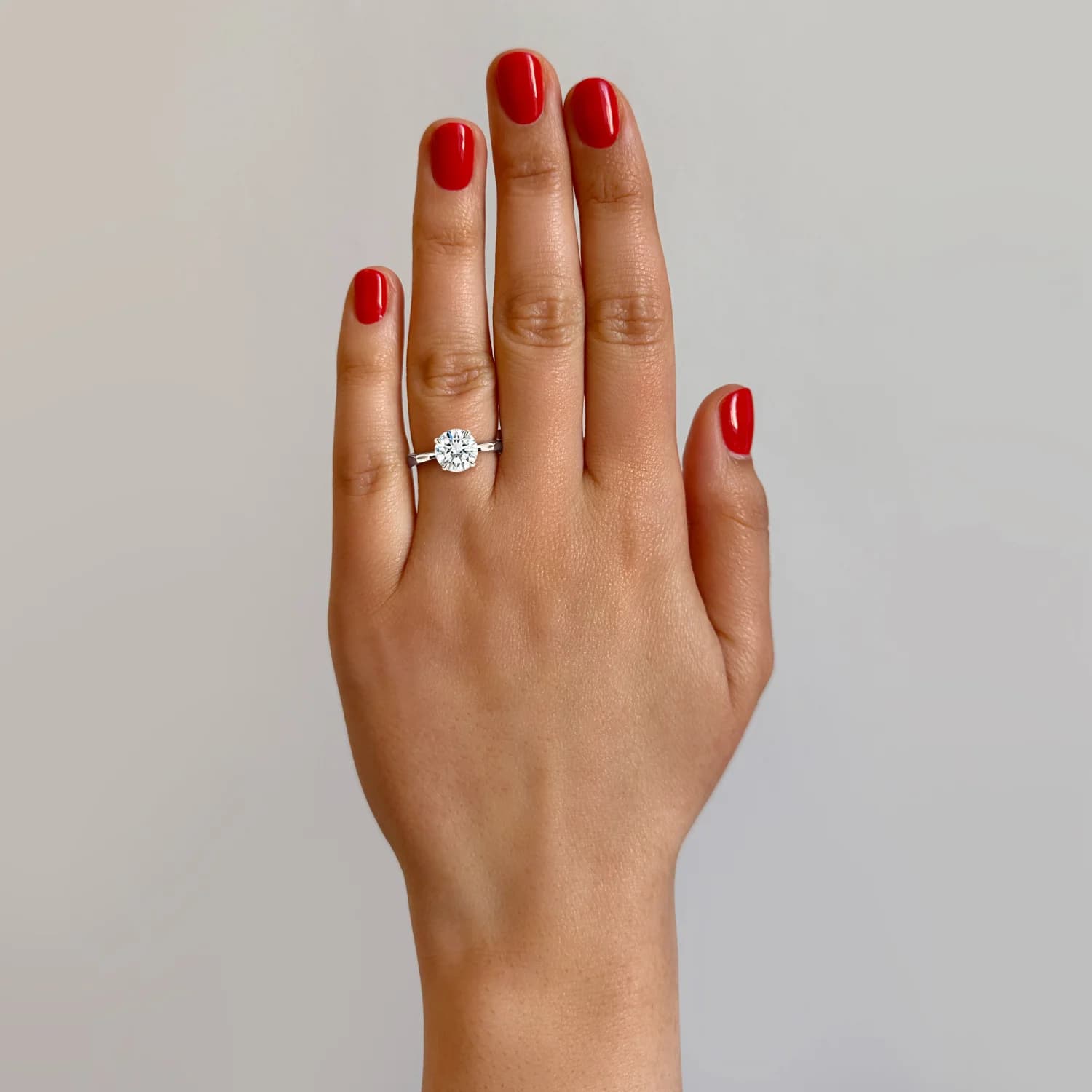
A 3-carat round diamond measures roughly 9.3mm across – noticeably larger than the more common one-carat stone. Prices vary enormously with quality and whether the diamond is natural or lab-grown: a natural 3-carat can run well into five figures, while a lab-grown equivalent is a fraction of the cost. Explore the possibilities in our engagement rings collection.
How big is a 3-carat diamond really?
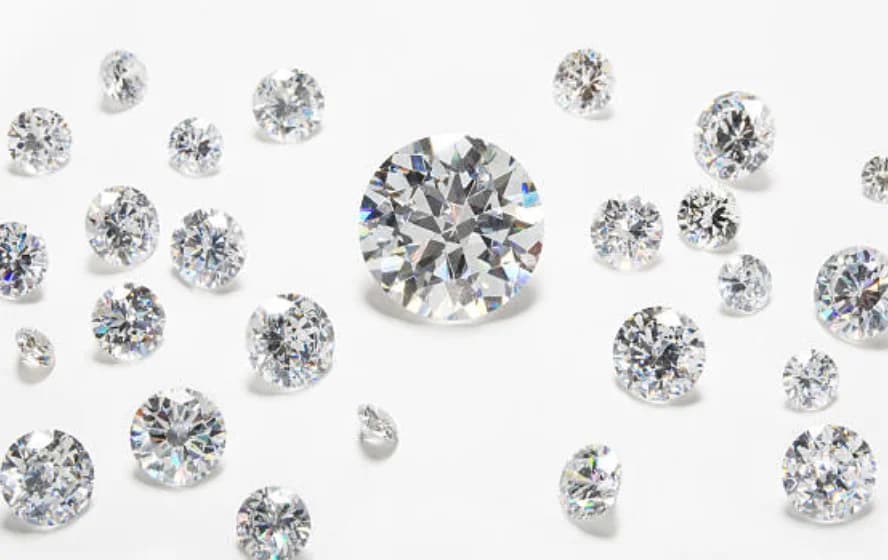
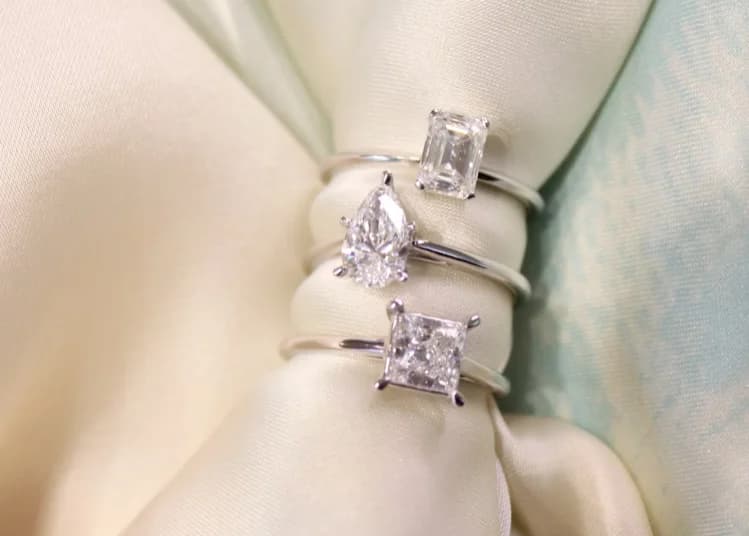
Carat is a measure of weight, not size, so millimetre dimensions depend on the shape and cut. A well-cut 3-carat round brilliant is about 9.3mm in diameter. Elongated shapes such as oval, marquise and emerald look even larger for the same weight because they spread across the finger. To understand how weight translates to visual size, read our complete guide to diamond carat weight.
How much does a 3-carat diamond ring cost in the UK?
Price scales steeply with carat because large, high-quality rough is rare. A natural 3-carat diamond ring commonly ranges from around £20,000 to £60,000 or more, depending on cut, colour and clarity. A lab-grown 3-carat diamond of similar quality typically costs far less – often somewhere between £2,000 and £6,000 for the stone – which is why lab-grown has made this size accessible to many more buyers. Compare the two in our natural vs lab-grown price comparison and browse our lab-grown diamonds.
Getting the 4Cs right at three carats
Cut is the single most important factor: a large stone with a poor cut looks dull and lifeless, so prioritise excellent or ideal cut grades. Colour and clarity flaws are easier to spot in a big diamond, but you rarely need flawless – an eye-clean clarity such as VS and a near-colourless grade around G–H usually looks superb while controlling cost. Our diamond education guides explain how to balance the four factors.
Choosing a setting for a large stone
A 3-carat centre stone needs a secure, well-engineered setting. A six-prong or sturdy four-prong setting holds the diamond safely while letting light in. Consider a slightly raised profile so the stone sits proudly, and a metal such as platinum or 18ct gold for durability. A hidden halo or a delicate pavé band can add sparkle without competing with the centre. Whatever you choose, make sure the band suits daily wear.
Is three carats the right size for you?
Three carats suits those who love a bold look, but consider finger size and lifestyle. On slender fingers a 3-carat stone reads as very large; an elongated shape can feel more proportional. If you are still deciding on size, our guide to how many carats an engagement ring should be is a helpful starting point.
Frequently asked questions
Is a 3-carat diamond too big for everyday wear? Not if it is well set. A secure setting and a durable metal make even a large stone practical for daily life.
Can I get a 3-carat ring on a modest budget? A lab-grown 3-carat diamond makes this size far more affordable than a natural stone of the same quality.
Which shape looks biggest at 3 carats? Elongated cuts such as oval and marquise appear larger than a round of the same weight because they cover more of the finger.