The Ultimate Guide to Designing Your Custom Engagement Ring
Designing a bespoke engagement ring means creating something that exists nowhere else – a piece shaped entirely around the person who will wear it. It sounds daunting, but the process is straightforward when you break it into steps. This guide walks you through each decision, from the centre stone to the final finish.
Designing a custom ring comes down to five choices – the diamond, the shape, the setting, the metal and the budget – usually made with a jeweller over a few weeks. A bespoke approach lets you control quality and cost precisely, and choosing a lab-grown diamond can free up budget for a larger stone or finer setting. Start with our engagement rings collection for inspiration.
Step 1: Choose your diamond
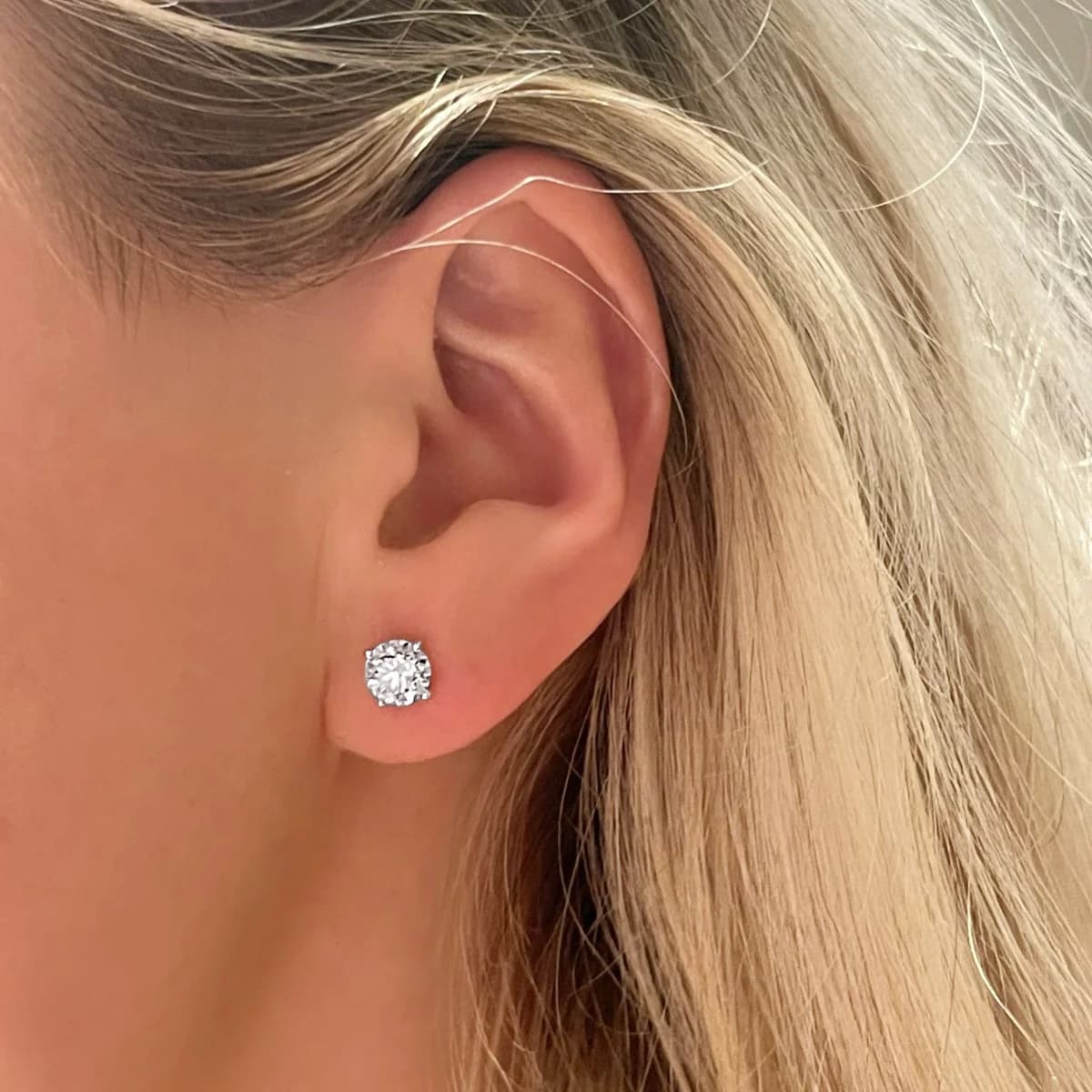
The centre stone sets the tone and usually the largest part of the budget. Decide first between a natural and a lab-grown diamond: lab-grown stones offer the same beauty and certification for considerably less, letting your budget stretch further. Then balance the 4Cs – cut, colour, clarity and carat – prioritising cut for maximum sparkle. Our diamond education guides explain the trade-offs, and you can browse certified stones in our lab-grown diamonds range.
Step 2: Pick a diamond shape
Shape is the most personal choice and drives the whole look. Round brilliants are the most sparkling and timeless; ovals and elongated cuts look larger for their weight; emerald and Asscher cuts give a sleek, art-deco feel; and pear or marquise shapes make a distinctive statement. Consider the wearer's style and hand – elongated shapes can flatter and lengthen the finger.
Step 3: Select the setting
The setting holds the stone and defines the character of the ring. A classic solitaire keeps all attention on the diamond; a halo adds sparkle and apparent size; a three-stone design symbolises past, present and future; and pavé or hidden-halo details add extra brilliance. Think about the wearer's daily life too – lower, more secure settings suit active hands. Many couples also plan a matching wedding band or eternity ring at this stage so everything sits together perfectly.
Step 4: Choose the metal
Platinum is naturally white, hard-wearing and hypoallergenic, making it a popular choice for a lifetime piece. 18ct white gold offers a similar look at a lower price; yellow and rose gold bring warmth and a vintage or contemporary feel. Consider the wearer's existing jewellery and skin tone, and remember white gold is typically rhodium-plated and needs occasional re-plating.
Step 5: Set your budget and timeline
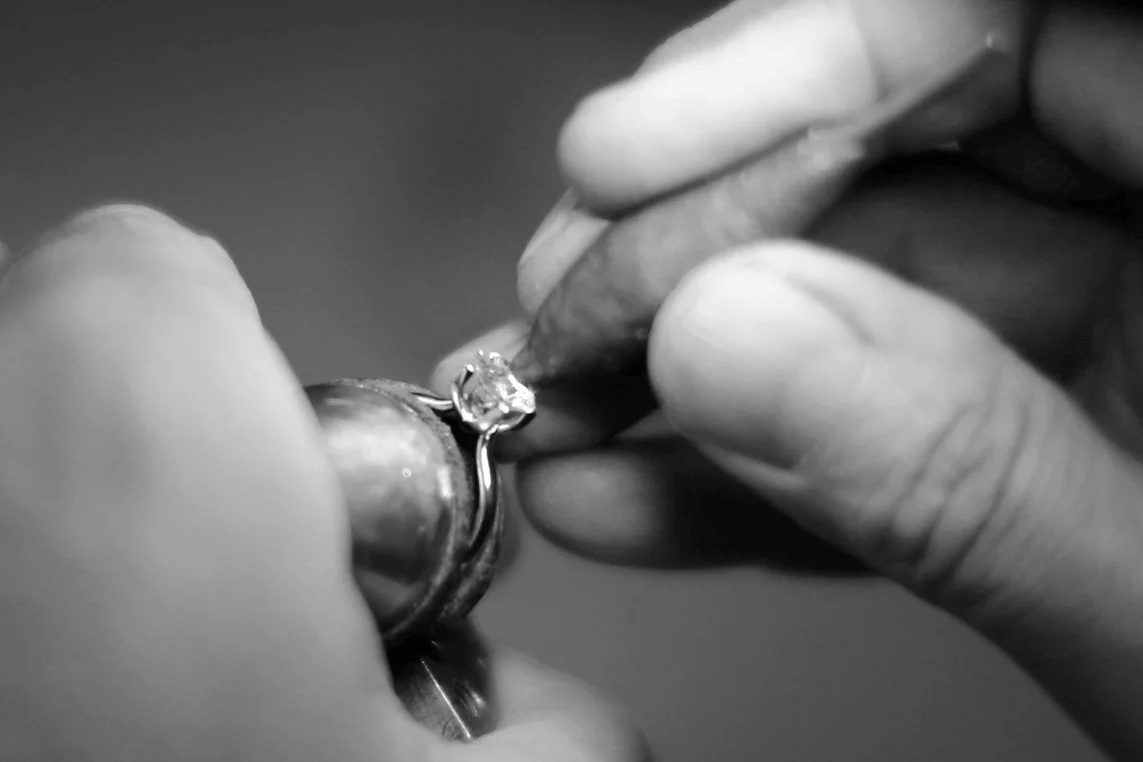
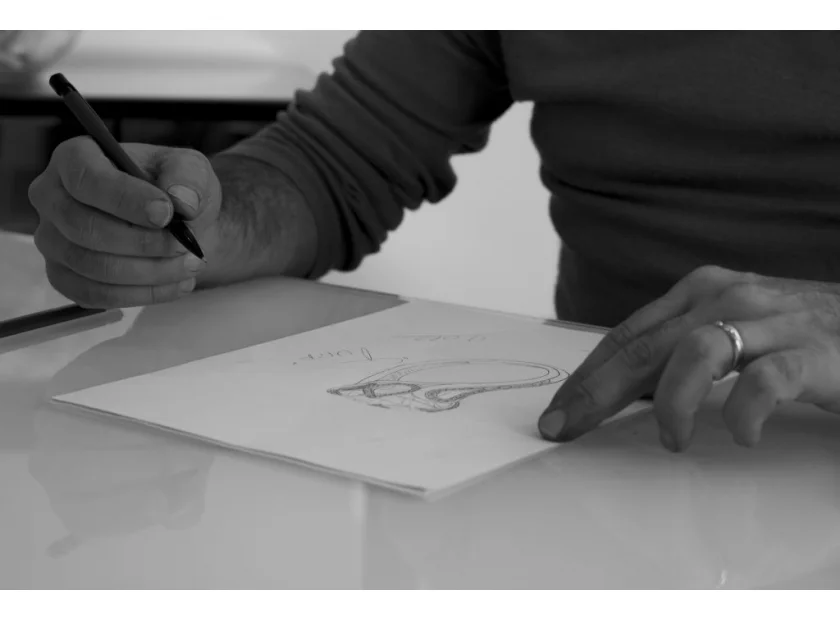
Agree a realistic budget early – a bespoke ring can be built to almost any figure by adjusting stone size and quality. Choosing lab-grown is one of the simplest ways to get more ring for your money. Allow a few weeks for design, approval and crafting, and more if you want a truly intricate piece, so the ring is ready in good time for the proposal.
Frequently asked questions
Is a custom ring more expensive than a ready-made one? Not necessarily. Because you control every element, a bespoke ring can be built to your exact budget, and lab-grown stones help keep costs down.
How long does a bespoke ring take? Typically a few weeks from first consultation to finished ring, depending on the complexity of the design.
Can I design a ring if I don't know their ring size? Yes. A ring can be resized after the proposal, or you can discreetly check an existing ring beforehand.