
How to Identify a Genuine Moonstone: A Complete Guide for Buyers
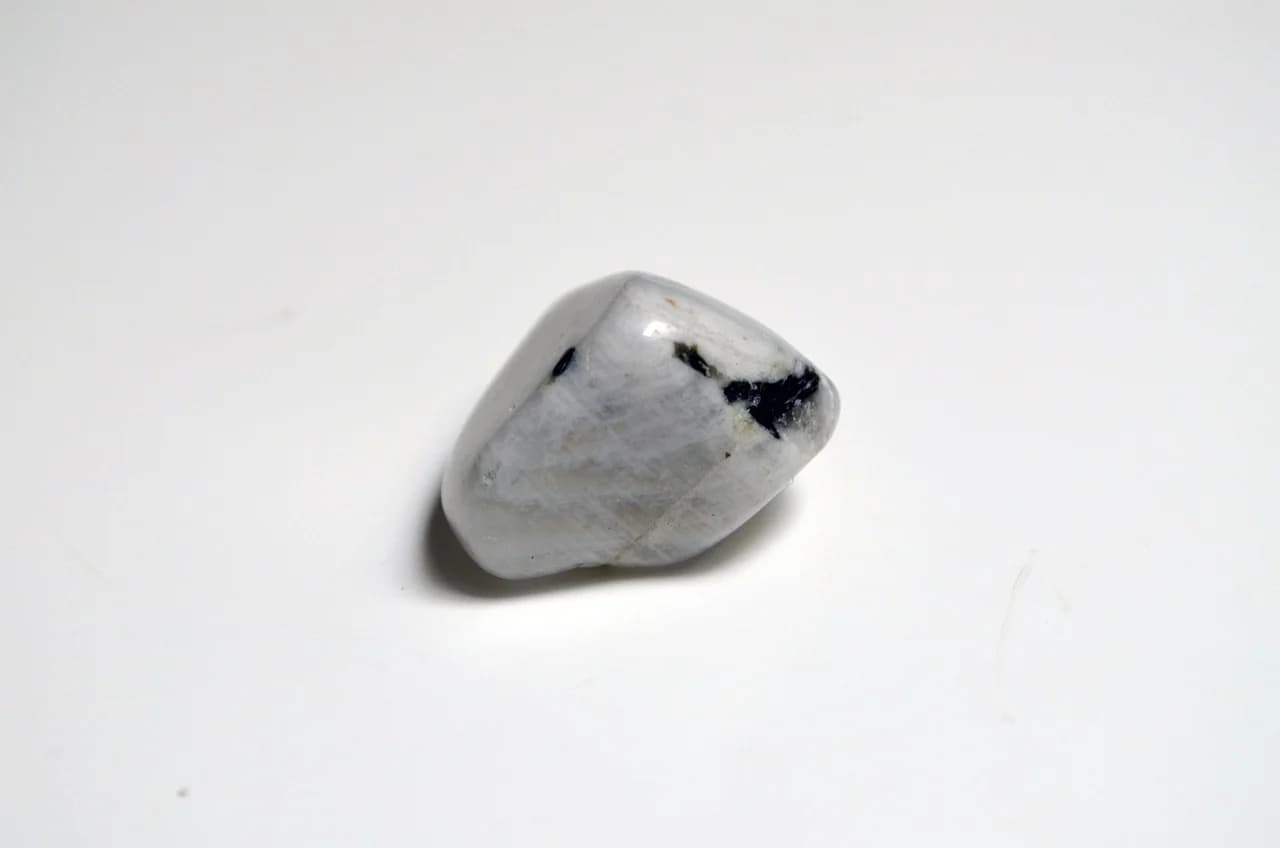
Moonstones have captivated jewellery enthusiasts for centuries with their ethereal glow and mystical allure.
In short: Genuine moonstone (feldspar, Mohs 6-6.5) shows adularescence — a soft blue or white floating sheen that shifts as you tilt the stone. Imitations include opalite (man-made glass, no adularescence) and milky quartz. Look for slight internal cleavage planes ('centipede inclusions') and a slightly hazy interior under magnification.
However, with the market flooded with imitations, distinguishing a genuine moonstone from a fake can be challenging.
This guide will walk you through the essential characteristics and tests to help you identify an authentic moonstone.
Understanding Moonstone
Moonstone is a gemstone belonging to the feldspar group, renowned for its unique optical phenomenon known as adularescence—a soft, billowy light that appears to emanate from within the stone.
This effect results from light scattering between microscopic layers of feldspar minerals within the gem.
Key Characteristics of Genuine Moonstone
Adularescence: The Signature Glow
The hallmark of a real moonstone is its adularescence.
When light hits the stone, it should display a gentle, floating glow, typically in hues of blue or white.
This sheen should move across the surface as you tilt the stone, creating a visual effect.
Colour and Clarity
Authentic moonstones come in various colours, including colourless, white, grey, peach, green, and brown.
The most valued specimens are those that are nearly transparent with a blue sheen.