
How to Spot a Fake Ruby: Expert Tips to Identify Real Gemstones
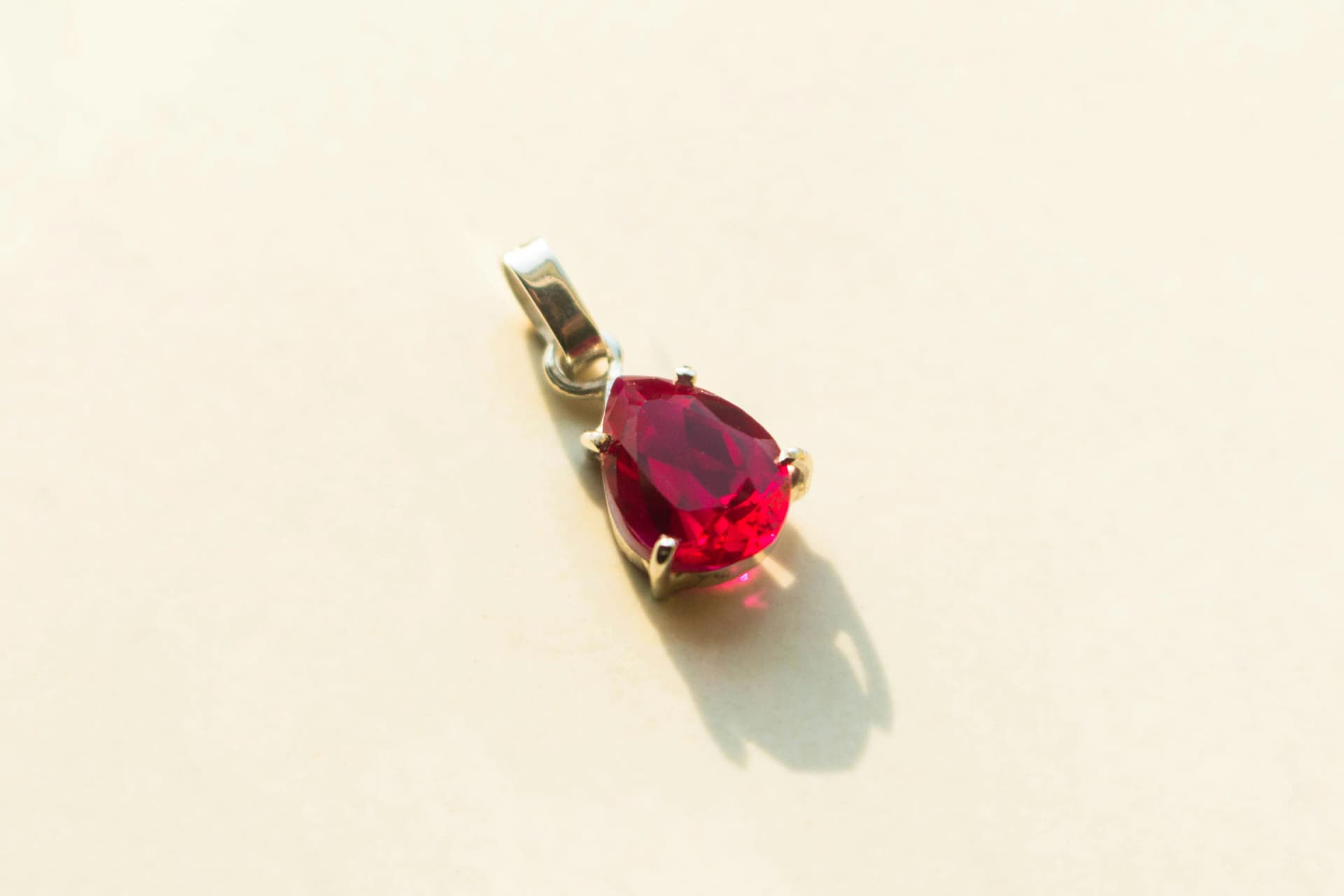
Rubies have long been cherished for their deep, captivating red hues and are often considered symbols of passion and wealth.
In short: Genuine ruby (corundum, Mohs 9) shows strong red-pink fluorescence under UV light, single refraction, and characteristic silk-like rutile inclusions. Imitations: red glass (bubbles, conchoidal fracture), garnet (no fluorescence, different RI), synthetic ruby (perfectly clean, identical chemistry — only spectroscopy distinguishes). Always insist on a GIA or GRS certificate.
However, the market is awash with imitations and synthetic versions that can easily deceive even the most discerning buyers.
Search Gemstones
Understanding how to distinguish a genuine ruby from a counterfeit is crucial for anyone looking to invest in this precious gemstone.
Understanding Genuine Rubies
A natural ruby is a variety of the mineral corundum, characterised by its rich red colour, which is primarily due to the presence of chromium.
The most sought-after shade is often referred to as "pigeon's blood" red—a vibrant, pure red with a hint of blue.
When evaluating a ruby, gemologists consider the "Four Cs": colour, clarity, cut, and carat weight.
Among these, colour holds the most weight in determining a ruby's value.
If you're interested in exploring colourful gems, check out gemstone engagement rings for ethically sourced options.
Common Imitations and Treatments
The gemstone market features several ruby look-alikes and treatments designed to enhance lesser-quality stones.