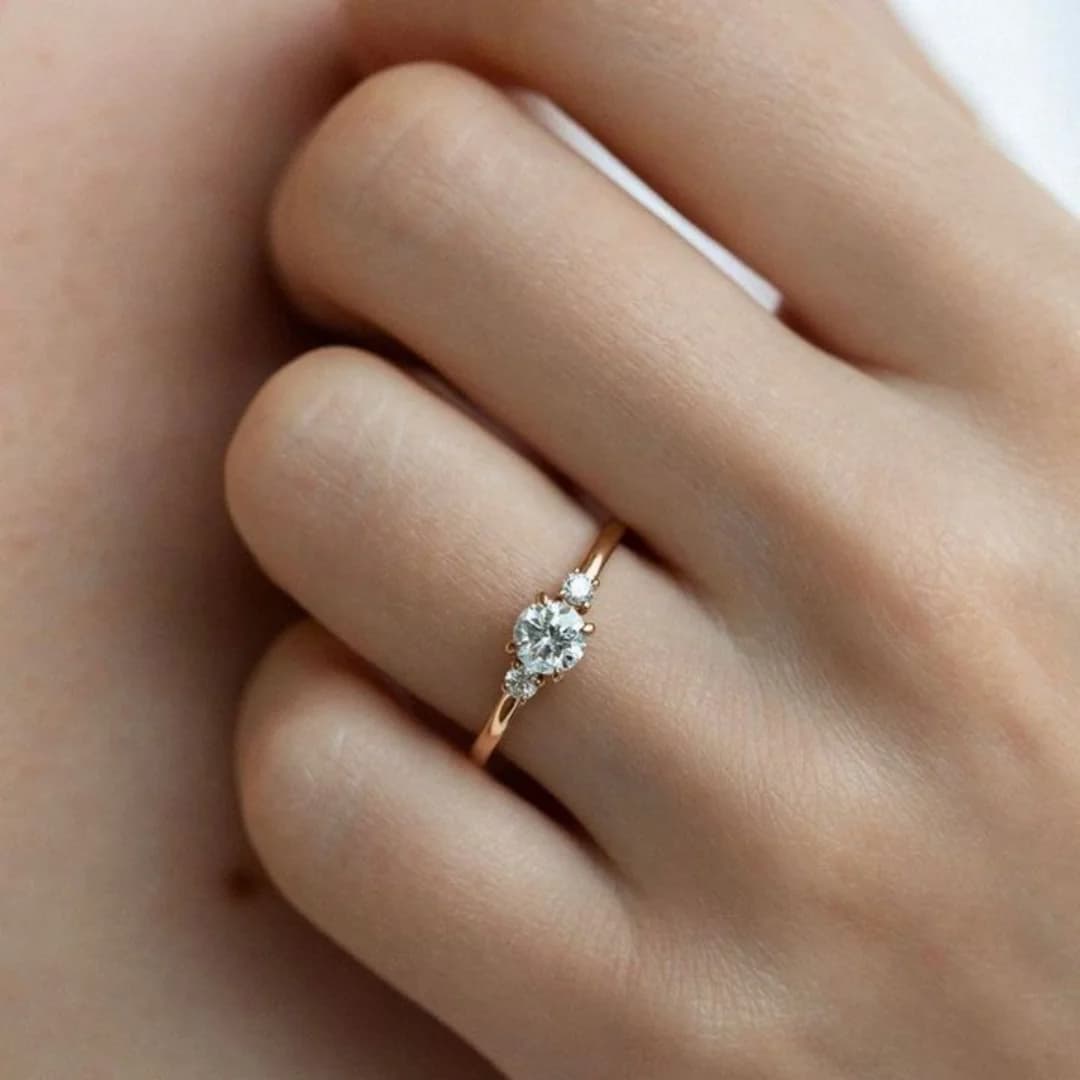
Lab-grown diamonds already cost far less than mined ones, but prices still vary widely between stones that look identical. Knowing how diamonds are priced lets you tell a real bargain from a stone that is simply cheap for a reason.
A genuine deal is a certified, well-cut stone priced fairly for its grade — not the lowest sticker price. Compare price per carat, buy just below round-carat milestones, favor eye-clean clarity and near-colorless grades, and never skip a GIA or IGI certificate. See how far your money goes in our natural vs lab-grown price comparison.
Understand How Lab-Grown Diamonds Are Priced
Price is driven by the same 4Cs that govern mined stones, with cut, color, clarity and carat combining to set the figure. Because supply of lab-grown diamonds has grown, prices have fallen over recent years, so a fair current price is well below what the same stone would have cost a few years ago. Our diamond education hub explains how each factor moves the price.
Compare Price Per Carat, Not Total Price
The clearest way to judge value is price per carat. Divide the total price by the carat weight and compare stones of similar grade. A larger stone can have a lower price per carat, while a tiny difference in cut or clarity can explain why two same-size stones differ in cost. This single calculation cuts through marketing.
Buy Just Below the Milestones
Diamond prices leap at psychological weights such as 0.50, 1.00 and 2.00 carats. A 0.90-carat stone can cost noticeably less than a 1.00-carat one, yet the half-millimeter difference in diameter is invisible in everyday wear. Shopping just under these thresholds is one of the easiest ways to find real value. Understanding how carat weight affects size helps you choose the sweet spot.
Do Not Overpay for Grades You Cannot See
Paying for a flawless clarity grade or a top D color makes little sense if the difference is invisible without magnification. Eye-clean stones in the VS2-SI1 range and near-colorless G-I grades deliver the same look as the top grades for far less, freeing budget for a better cut or a larger stone.
Spot a False Bargain
An unusually cheap stone often hides a poor cut, a visible inclusion, or a missing certificate. A diamond with no reputable grading report, or one described only as lab-grown without GIA or IGI documentation, is a risk rather than a saving. Verify the certificate and the laser inscription before you are tempted by the price. Ready-to-buy, certified options are shown in our lab-grown diamond collection, and you can see them set in engagement rings.
Frequently Asked Questions
Are the cheapest lab-grown diamonds the best value?
Not usually. The lowest price often reflects a poor cut, a visible flaw or a lack of certification. Real value is a well-cut, certified stone priced fairly for its grade.
How much can I save by buying below a carat milestone?
Choosing a stone just under a round weight, such as 0.90 instead of 1.00 carat, can save a meaningful amount for a size difference that is invisible to the eye.
Do I still need a certificate for a lab-grown diamond?
Absolutely. A GIA or IGI report is your proof of quality and origin. Without it, you cannot verify what you are buying, and the low price is not a genuine deal.