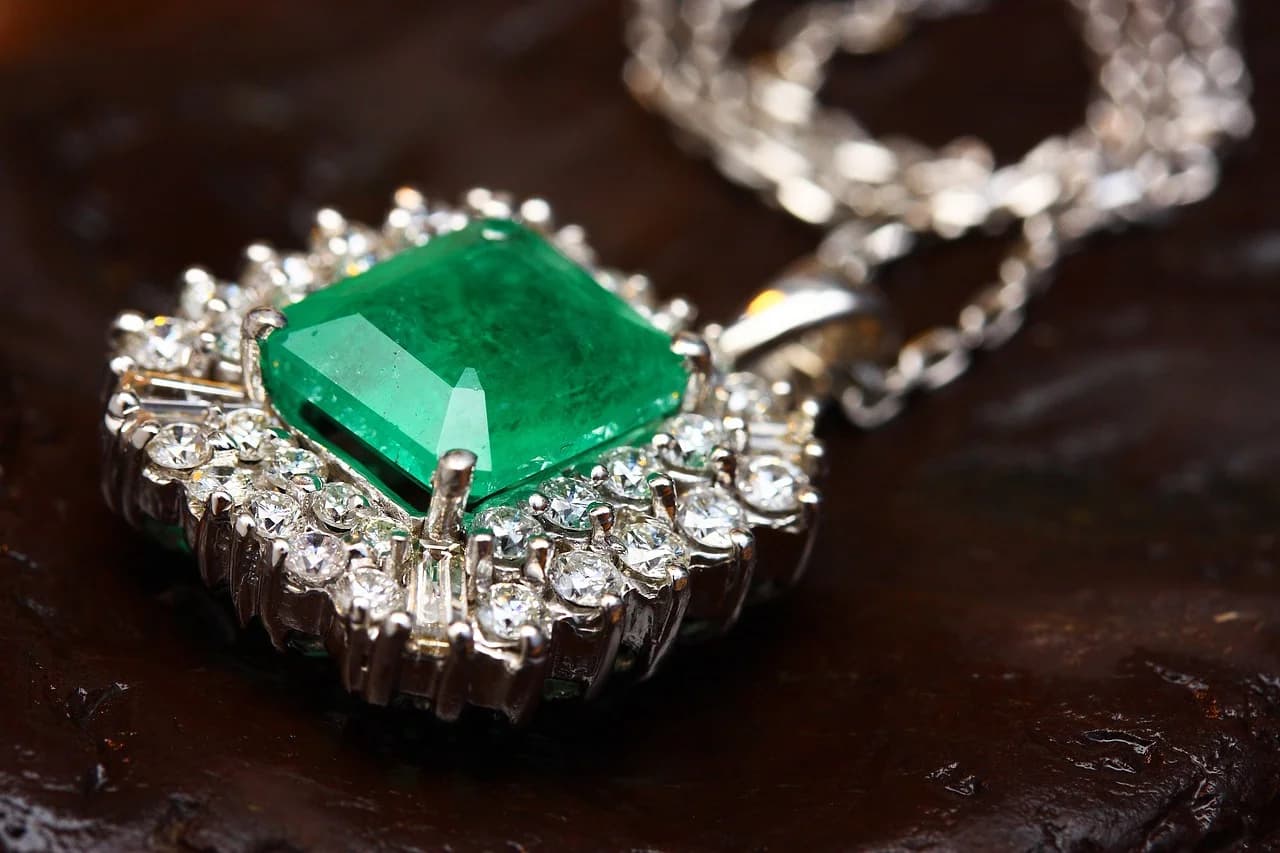
A diamond pendant is the quiet hero of a jewelry collection: refined enough for the office, elegant enough for an evening out, and personal enough to wear every single day. Lab grown diamonds make that everyday sparkle both more affordable and more ethical. Here is how to choose a lab grown diamond pendant that feels modern, chic, and entirely yours.
Lab grown diamond pendants deliver the same brilliance as mined-diamond pieces for 60–85% less, and without the ethical concerns of mining. Solitaire and halo pendants are the most versatile, while cluster and shaped designs make a modern statement. Choose a well-cut, independently certified stone (GIA or IGI) for the best sparkle and value.
Why a lab grown diamond pendant
Lab grown diamonds are chemically and optically identical to mined diamonds — same hardness, same fire, same brilliance — but they are created in a controlled facility rather than dug from the earth. That means a smaller environmental footprint, none of mining's ethical baggage, and a much lower price. If lab grown is new to you, our beginner’s guide to lab grown diamonds explains the essentials. The savings let you choose a bigger or better stone than a mined budget would allow.
Popular pendant styles
Solitaire pendant
A single diamond suspended on a fine chain is the definition of understated elegance. It suits every neckline, layers beautifully, and works from day to evening — the most versatile pendant you can own. See designs in our pendants and necklaces collection.
Halo pendant
Framing the center stone with a circle of smaller diamonds makes the pendant look larger and adds extra sparkle. It is a smart way to maximize presence, and lab grown accent stones keep it affordable.
Cluster pendant
Several smaller diamonds arranged as one design create brilliance and a contemporary feel, often for less than a single larger stone of the same total weight.
Shaped and journey pendants
Heart, cross, or initial pendants add personal meaning, while a 'journey' design of graduated diamonds symbolizes a relationship's growth — both popular as gifts.
How to choose the right pendant
Prioritize cut, which governs how much a diamond sparkles, then choose a color grade of G–H and clarity of VS for a stone that looks flawless to the eye while offering excellent value. Consider the metal — white metals keep the focus on the diamond, while yellow and rose gold add warmth — and the chain length, with 16–18 inches suiting most necklines. Our diamond education hub breaks down the grades, and our lab grown diamond guide explains how the stones are grown and certified.
Styling and pairing
A solitaire pendant pairs naturally with matching studs from our diamond earrings range, or layer pendants of different lengths for a modern, personalized look. Keep the setting clean and minimal to let the diamond do the talking.
Caring for your pendant
Because lab grown diamonds share the same 10 Mohs hardness as mined diamonds, they wear well every day. Clean with warm water and mild soap, store separately to protect the chain, and have the setting checked periodically so the stone stays secure.
Frequently asked questions
Are lab grown diamond pendants real diamonds?
Yes. They are genuine diamonds with identical properties to mined stones, and reputable pieces come with independent GIA or IGI certification.
Is a pendant a good first piece of diamond jewelry?
It is one of the best. A solitaire pendant is versatile, wearable, and works for any occasion, making it an ideal introduction to diamonds.
How much can I save with lab grown?
Typically 60–85% versus a mined diamond of the same grade, letting you choose a larger or higher-quality stone for your budget.
At Rêve Diamonds, every lab grown diamond pendant is independently certified and can be tailored in stone, setting, and chain length to match your style.