Diamonds have always carried a premium, and for a long time that premium was simply the price of entry. Lab grown diamonds have changed the math. They offer the same brilliance, hardness, and certification as mined diamonds while costing a fraction as much — which raises a fair question: where exactly is the compromise? For most buyers, the honest answer is that there isn’t one that matters.
Lab grown diamonds match mined diamonds on everything you can see and feel — Mohs 10 hardness, identical sparkle, identical GIA/IGI grading — at roughly 60–80% lower cost. The only genuine difference is resale value, which only matters if you intend to sell rather than keep and wear the piece.
Where the Value Comes From
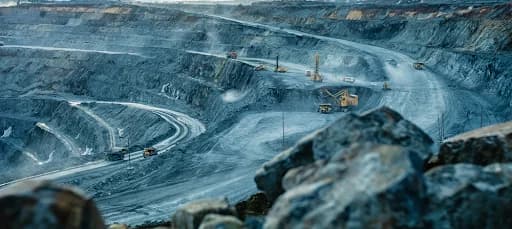
A mined diamond’s price reflects a long, resource-heavy supply chain: exploration, extraction, sorting, and multiple layers of distribution. A lab grown diamond is created in weeks in a controlled facility, using either High Pressure High Temperature (HPHT) or Chemical Vapor Deposition (CVD). Fewer steps and a shorter chain mean a lower price — not a lower-grade product. Browse current options on our lab grown diamonds page.
How Much You Actually Save
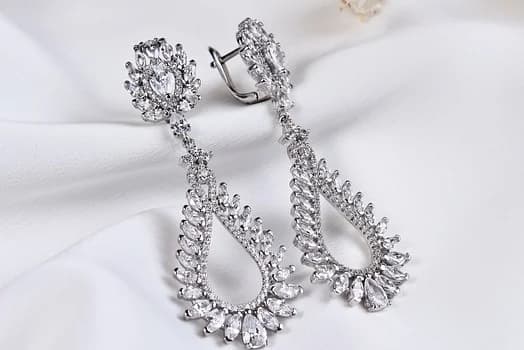
As a rule of thumb, a lab grown diamond runs 60–80% below a comparable mined stone. In practice that means a shopper with a $5,000 budget who might have settled for a smaller mined diamond can instead choose a larger stone, a finer cut, or a more elaborate setting. For a full side-by-side breakdown, see our natural vs lab grown price comparison.
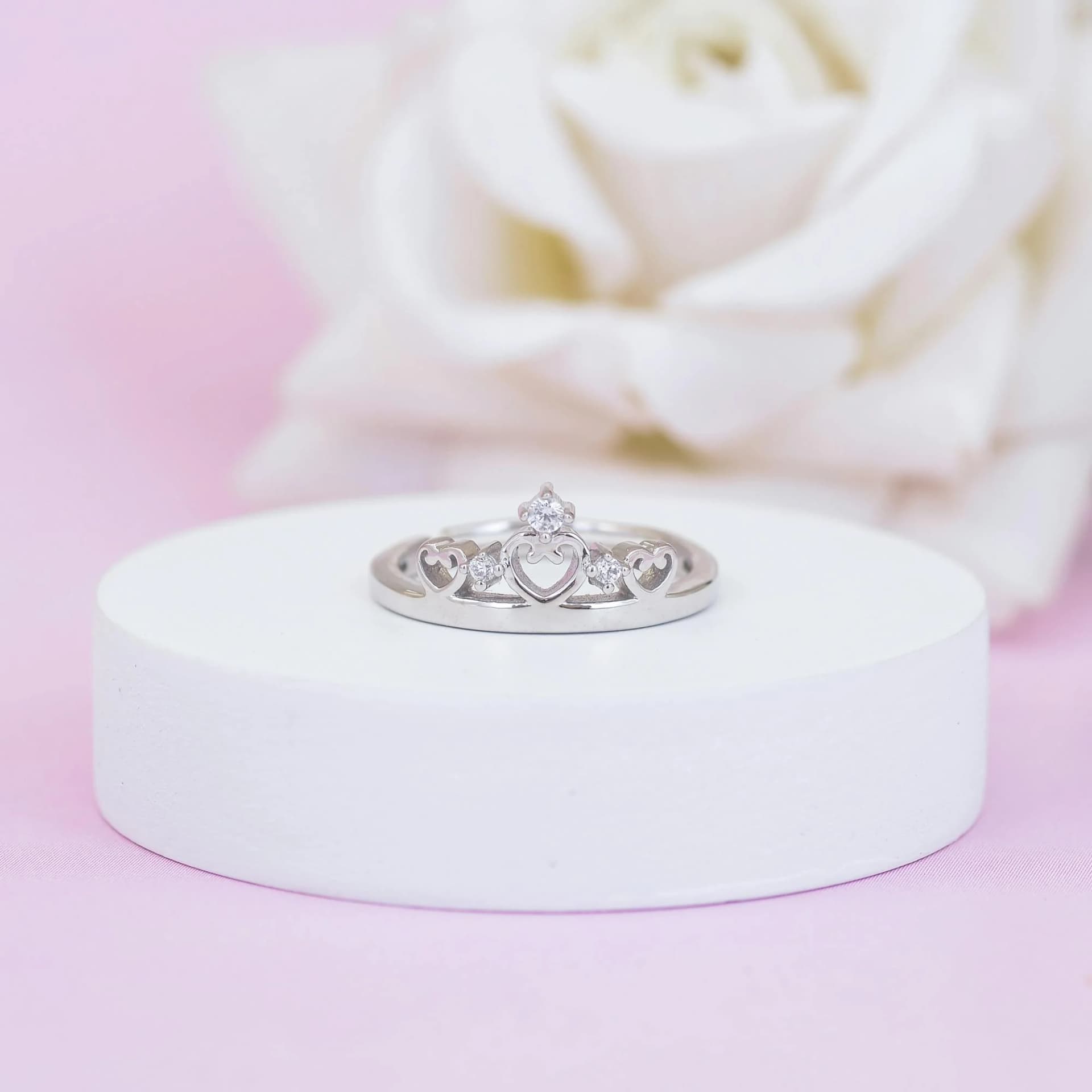
That extra headroom is why lab grown stones are so popular for engagement rings and eternity rings, where carat weight and sparkle are front and center.
The One Real Trade-Off: Resale
Because lab grown diamonds can be produced on demand, they do not carry the scarcity premium that supports resale prices for mined stones. If you view a diamond purely as a financial asset, that matters. If you are buying a piece to wear for decades and pass down, it is largely irrelevant — the diamond on your hand looks and performs exactly the same either way.
Buying Smart
Spend where it shows. Cut has the biggest impact on how a diamond sparkles, so prioritize it, then choose a color and clarity grade that looks clean to the eye rather than chasing the top of the chart. Our diamond education guide explains how the 4Cs interact, and every stone should come with a GIA or IGI report confirming its grades.
Frequently Asked Questions
Are lab grown diamonds cheaper than natural diamonds?
Yes — typically 60–80% less for a stone of comparable cut, color, and clarity.
Is a lab grown diamond lower quality?
No. They are graded on the same 4Cs by GIA and IGI, and excellent stones are available at every grade.
What is the catch?
Resale value is lower than for mined diamonds. If you plan to wear and keep the piece, it rarely matters.