Lab Grown vs Synthetic Diamonds: Clearing Up the Confusion
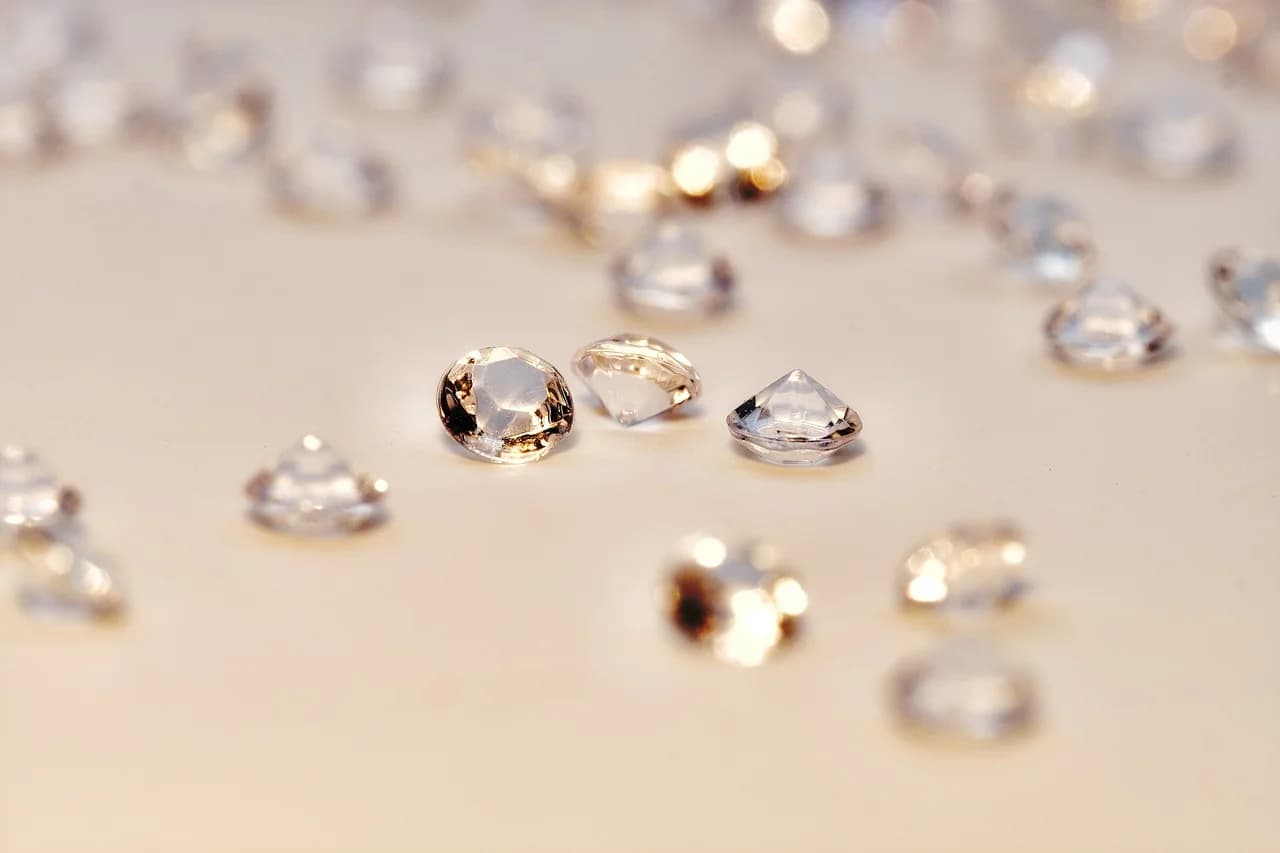
"Lab grown" and "synthetic" describe the exact same thing — real diamonds grown in a lab. "Synthetic" is simply the older, more technical term. What they are NOT is a diamond simulant such as cubic zirconia or moissanite, which only imitate a diamond’s look. At Rêve Diamonds, lab grown means a certified, genuine diamond, priced 60–80% below mined equivalents.
The vocabulary around modern diamonds trips a lot of shoppers up. Marketing uses “lab grown,” certificates sometimes say “laboratory-grown,” and older references say “synthetic.” Understanding the terms protects you from paying diamond prices for something that is not a diamond at all.
Lab Grown and Synthetic Mean the Same Thing
Both terms refer to a genuine diamond — crystallized carbon — produced by HPHT or CVD instead of geological processes. The material is identical to mined diamond in hardness, brilliance and chemistry, and it is graded by GIA and IGI on the same 4Cs. Grading bodies now prefer “laboratory-grown” because “synthetic” wrongly implies “fake.” Learn more on our lab grown diamonds hub.
What a Diamond Simulant Is (and Isn’t)
A simulant looks like a diamond but is a different material. Cubic zirconia is zirconium dioxide; moissanite is silicon carbide. Both sparkle, but neither has a diamond’s chemistry, hardness or durability — and both cost a tiny fraction of a real diamond. If a price looks too good to be true, you may be looking at a simulant rather than a lab grown diamond.
How to Tell What You’re Buying
Always insist on an independent GIA or IGI report. A lab grown diamond’s certificate will state “laboratory-grown diamond” and grade it on the 4Cs; a simulant will not carry a diamond grading report at all. Our guide to the 4Cs and broader diamond education hub explain exactly what to look for.
Which Should You Choose?
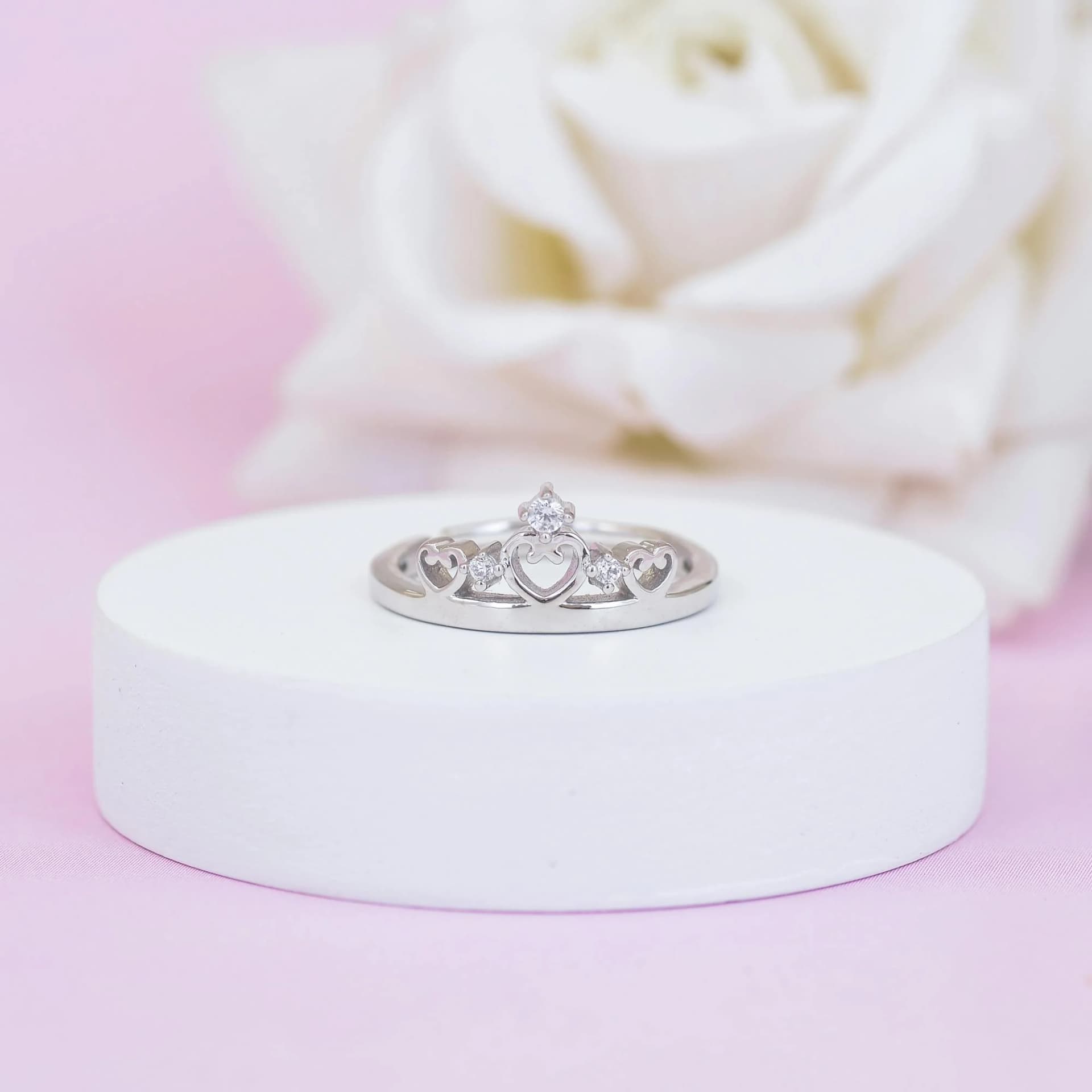
If you want a genuine diamond that lasts a lifetime at a lower price, choose lab grown. Simulants can suit costume or travel pieces, but they scratch and dull over time. Browse certified lab grown engagement rings, or read our beginner’s guide to lab grown diamonds first.
Frequently Asked Questions
Is a synthetic diamond a real diamond?
Yes. “Synthetic” and “lab grown” both mean a real diamond grown in a laboratory, with the same properties as a mined stone.
Is moissanite a lab grown diamond?
No. Moissanite is silicon carbide — a diamond simulant, not a diamond. It has different hardness and light behavior and is far less expensive.
Will a lab grown diamond pass a diamond tester?
Yes, because it is carbon like any diamond. Many simulants fail a thermal tester, which is one quick way to spot them.
Shop with confidence — every diamond at Rêve Diamonds is independently certified. Explore the lab grown diamond ring collection today.