When you shop for a diamond, carat weight is only half the story. What most people actually want is a stone that looks large and lively on the finger — and some shapes deliver far more visible size per carat than others. Understanding the carat-to-size ratio helps you choose a diamond that maximizes appearance without paying for weight you can't see.
Elongated and step-cut shapes give the best size-for-weight. Marquise, oval, pear and emerald cuts have the largest face-up area per carat, appearing up to about 30% bigger than a round of equal weight. Round brilliants carry more of their weight in depth, so they look smaller for the carat. Choosing an elongated shape can let a 0.90ct stone rival a 1.00ct round while costing less — see our natural versus lab-grown price comparison for the savings.
What "carat-to-size ratio" really means
Carat is a measure of weight, not size. A diamond's visible size depends on its surface area (the table and spread you see from above) and how much of its weight is hidden in the pavilion below. A well-proportioned but shallow-spreading shape shows more of its weight on top. Our diamond education section explains how millimeter dimensions relate to carat weight.
Shapes with the best size-for-weight
Marquise
The marquise tops the list. Its long, narrow outline spreads weight across the finger and gives the largest apparent size of any shape per carat.
Oval
The oval offers an excellent balance of brilliant-cut sparkle and elongated spread, typically looking around 10% larger than a round of the same weight.
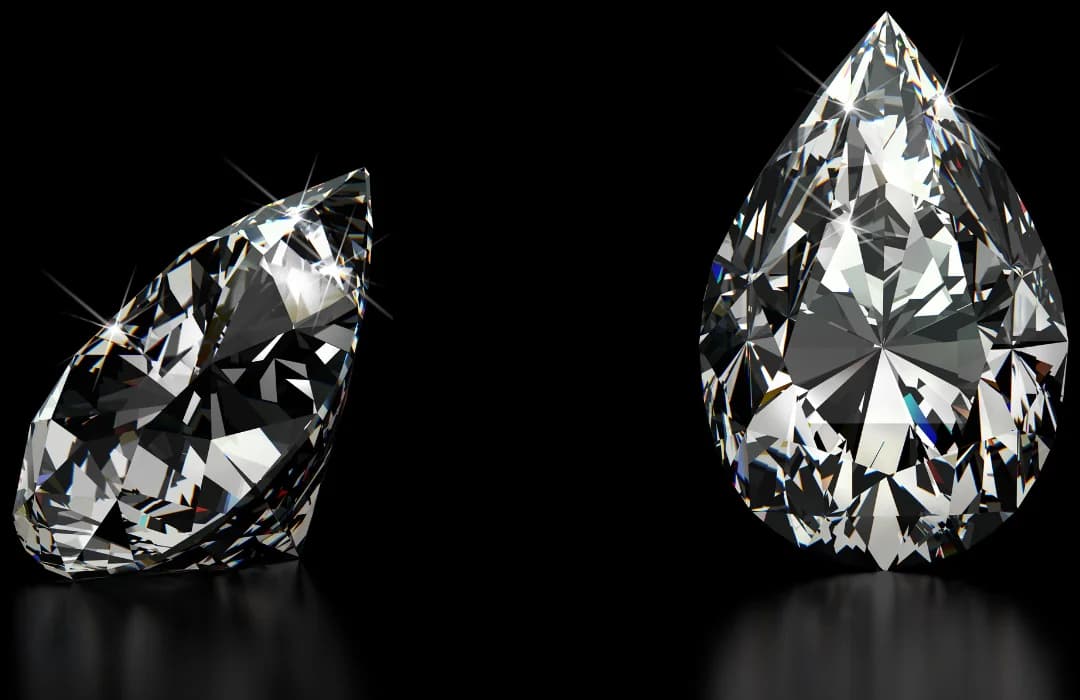
Pear
A pear shape combines a broad rounded end with a tapering point, giving strong face-up size and a flattering, finger-lengthening line.
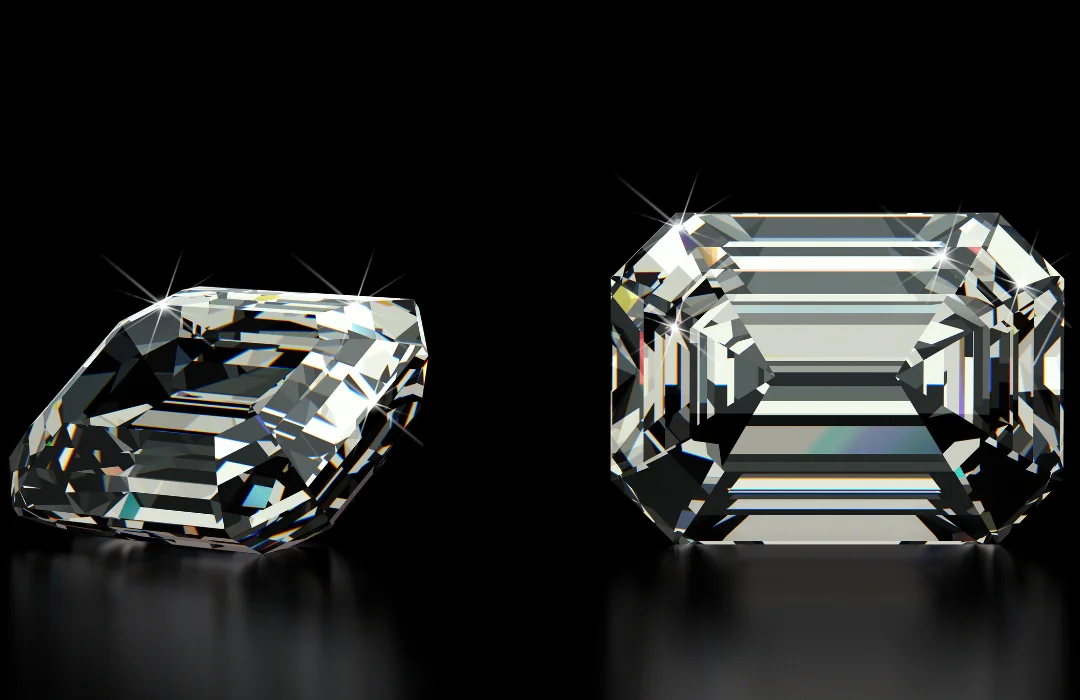
Emerald
The emerald cut's open, rectangular table makes it look large for its weight, with an elegant hall-of-mirrors effect rather than intense sparkle.
Shapes that look smaller for their weight
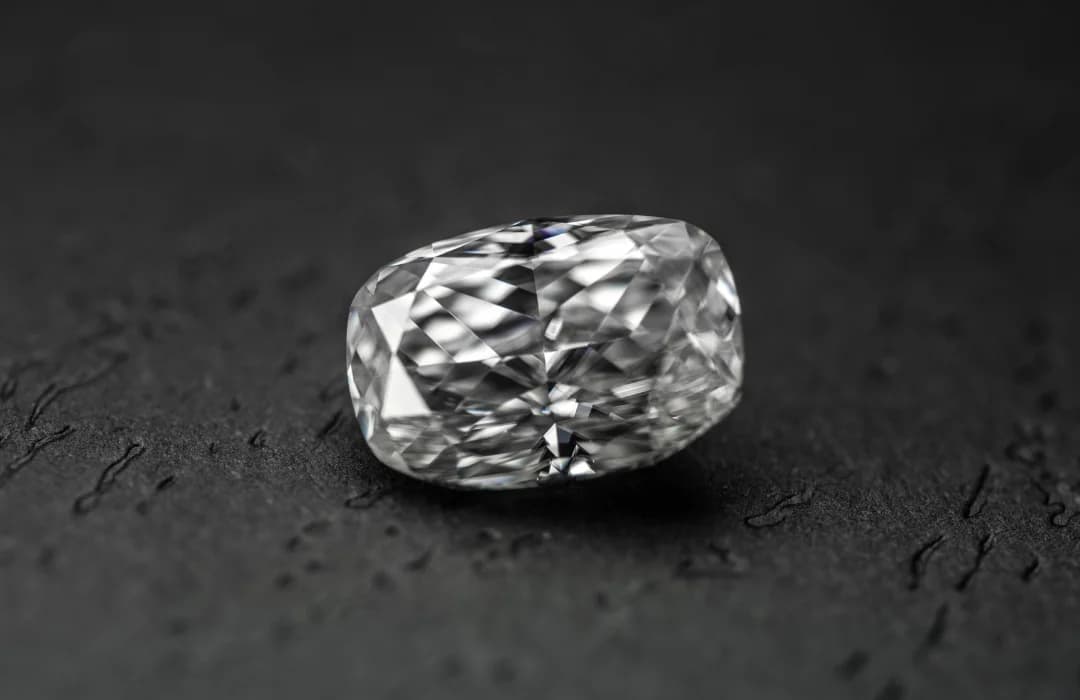
Round, princess, cushion and Asscher cuts carry more weight in their depth, so they show less spread on top. They remain hugely popular for their brilliance and symmetry — you simply pay for a little hidden weight. The classic round brilliant is the best example.
How to maximize apparent size
- Prioritize an elongated shape (marquise, oval, pear or emerald)
- Look for a diamond with a shallow-to-ideal depth percentage and a wide table
- Choose a slim band and a low, wide setting to frame the stone
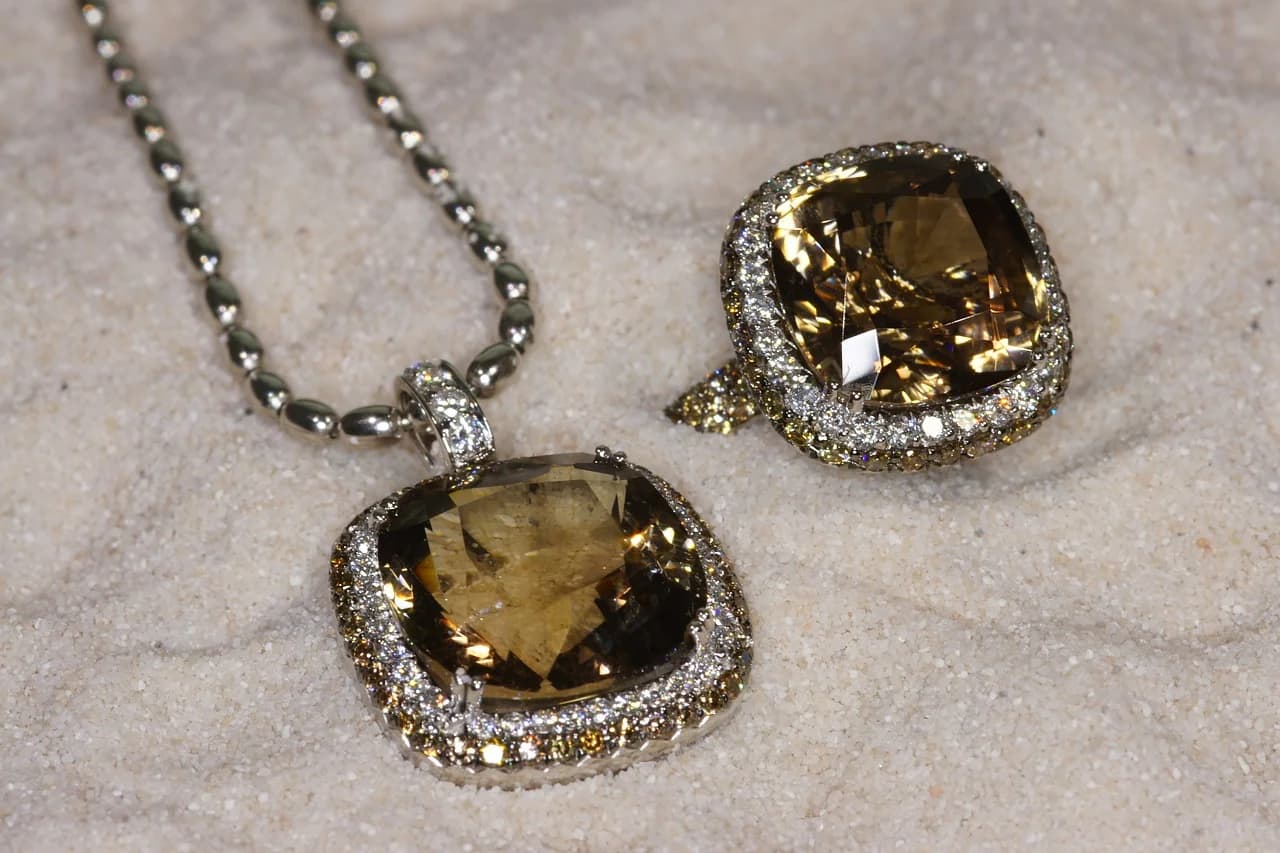
- Add a halo to gain visible size around the center stone
Ready to compare cuts side by side? Explore shapes across our engagement rings collection, and read our companion guide on diamond carat weight.
Frequently asked questions
Which diamond shape looks biggest per carat?
The marquise, followed by oval, pear and emerald — all elongated shapes with large face-up areas.
Why does a round diamond look smaller than an oval of the same weight?
A round brilliant is cut deeper, so more of its carat weight sits below the surface rather than spreading across the top.
Is a lower carat ever the smarter buy?
Yes. An elongated 0.90ct stone can look as large as a 1.00ct round while costing less, giving better value for visible size.