WHICH DIAMOND SHAPE GIVES THE ILLUSION OF BEING LARGEST?
Elongated shapes look the biggest for their carat weight. Marquise, pear and oval cuts have the largest "face-up" surface area, so they appear noticeably larger than a round or princess diamond of the same weight. Choosing an elongated shape, a thin band and a halo can make a stone look up to a size larger. Explore these cuts in our engagement ring collection.
If maximizing visual size is your priority, shape matters more than most people realize. Two diamonds of identical carat weight can look strikingly different in size depending on how the weight is distributed. The trick is to choose a cut that spreads its weight across the top of the stone — the surface you actually see when the ring is worn.
Why some shapes look bigger
Carat is a measure of weight, not size. A shape that carries more of its weight in a broad, shallow "face-up" surface looks larger than one that hides weight in a deep pavilion below the setting. Elongated shapes also draw the eye lengthwise, which enhances the impression of size and flatters the finger.
The shapes that look largest
Marquise
The marquise has the largest face-up area of any shape per carat. Its long, pointed silhouette maximizes surface coverage and elongates the finger, making it the winner for sheer apparent size.
Pear
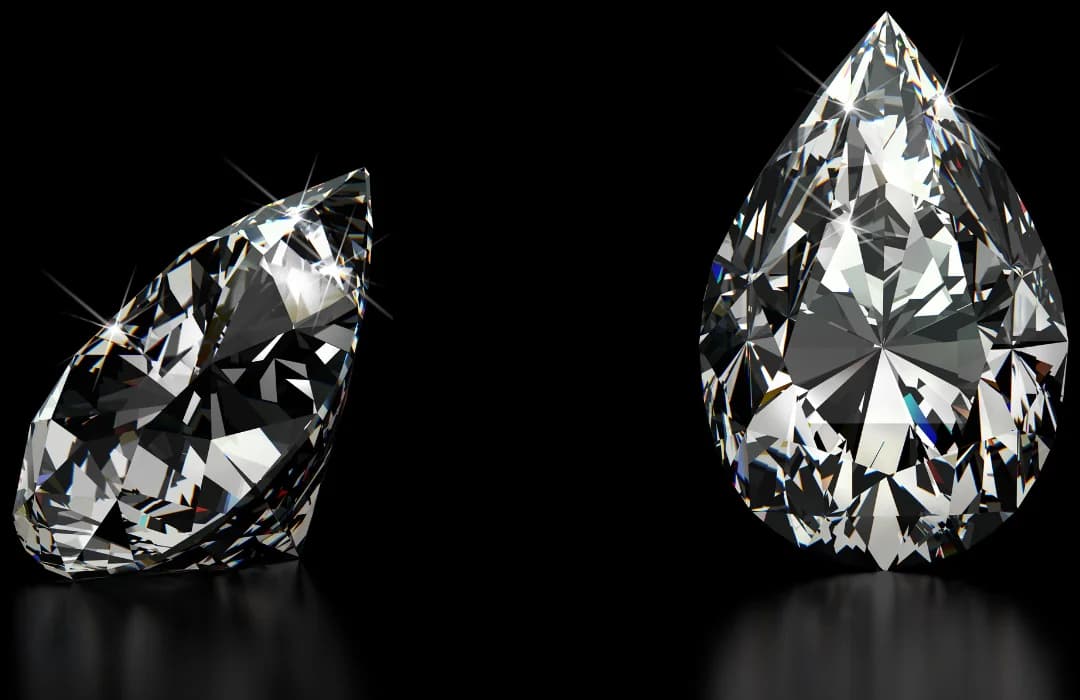
The pear (teardrop) combines a rounded end with a point, giving a large surface area and a graceful, elongating look. Worn with the point toward the fingertip, it makes the finger appear longer and slimmer.
Oval
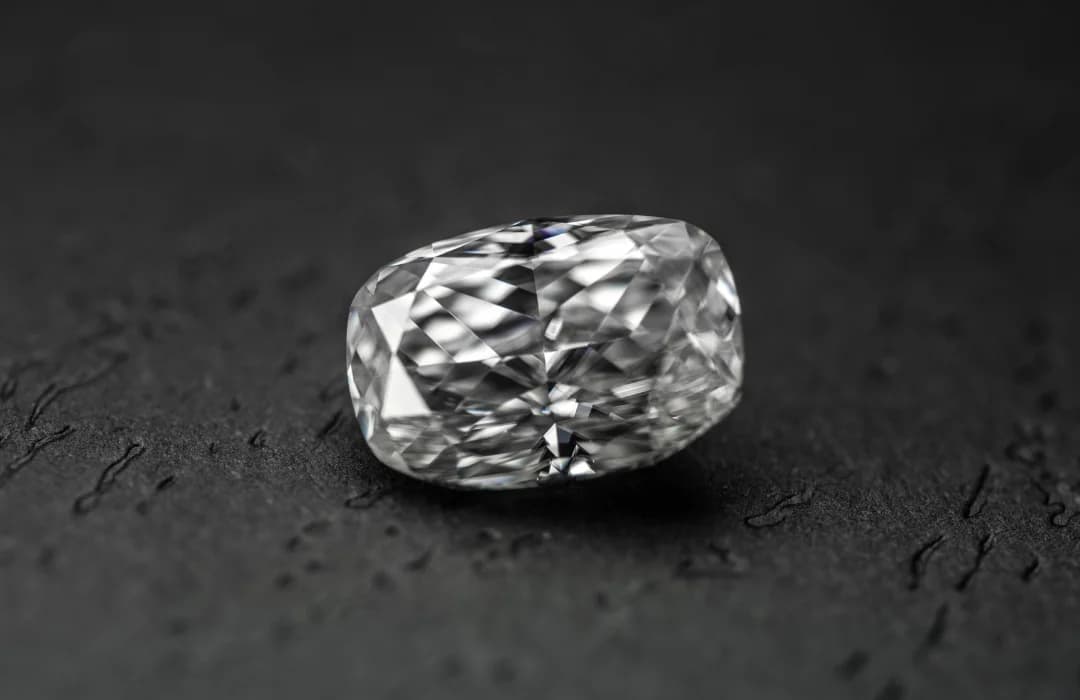
The oval is the most popular "looks-bigger" choice. It retains the brilliance of a round diamond but spreads that fire across a longer surface, so it typically appears about 10% larger than a round of the same carat while remaining timeless and versatile.
Emerald and other elongated cuts
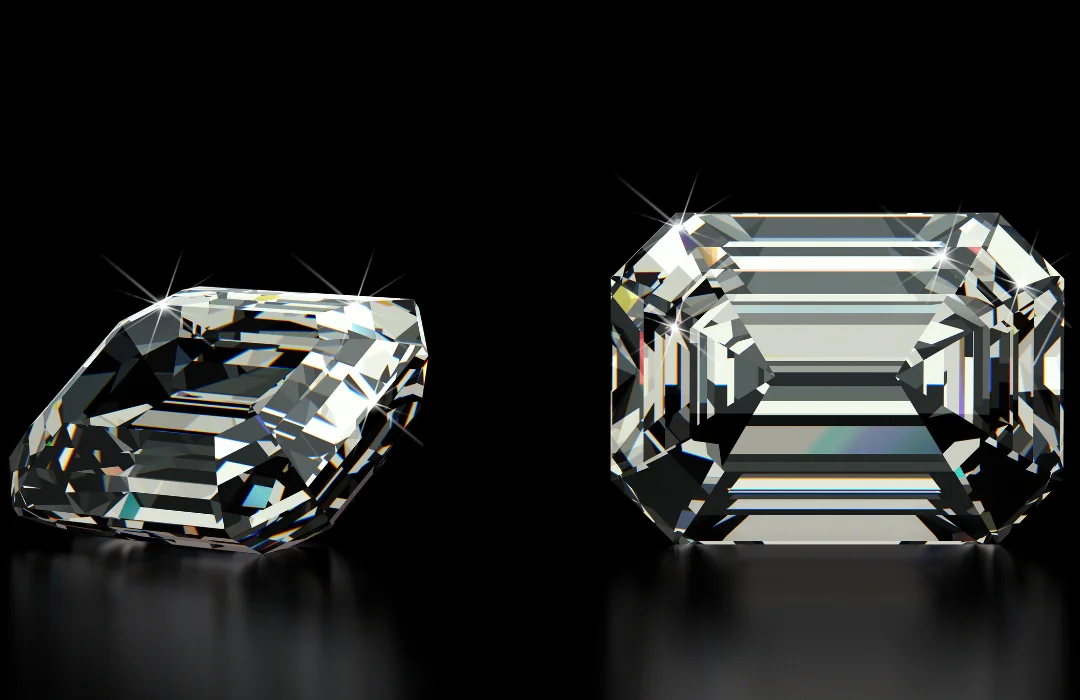
Elongated step cuts such as the emerald and the rectangular radiant also present a large surface area. Their long lines create an elegant, understated sense of scale.
How settings amplify the effect
Shape is only part of the story. A halo of small diamonds around the center stone can add the appearance of a half-carat or more. A thin, delicate band makes the center stone look proportionally larger. Slightly raised settings and a bright white metal such as platinum or white gold also enhance perceived size. Combined with an elongated shape, these tricks make a real difference.
Get more size with lab-grown
The most direct way to a bigger-looking diamond is simply to buy a bigger diamond — and lab-grown stones make that affordable. Identical to mined diamonds and certified by GIA or IGI, they cost roughly 60–85% less, so you can size up considerably within budget. See our lab-grown diamonds hub and price comparison.
A note on cut quality
Chasing size should never come at the expense of cut. A poorly cut stone can look dull and even smaller, while an excellent cut maximizes brilliance and face-up appeal. Our diamond education guide explains how to balance size and sparkle.
Frequently asked questions
Which diamond shape looks the biggest?
The marquise has the largest face-up area per carat, with the pear and oval close behind. All three appear larger than a round or princess of the same weight.
Does an oval really look bigger than a round?
Yes. An oval typically appears around 10% larger than a round diamond of the same carat weight because its weight is spread across a longer surface.
What else makes a diamond look larger?
A halo setting, a thin band and a bright white metal all increase perceived size, as does choosing a slightly higher carat weight with an affordable lab-grown stone.
Discover elongated, big-looking cuts in our engagement ring collection, or design a bespoke ring that maximizes both size and sparkle.