Black diamonds have captivated jewellery enthusiasts with their enigmatic allure and distinctive charm.
But a common question arises: are black diamonds real?
The answer is a resounding yes.
Black diamonds are indeed genuine diamonds, but they differ significantly from their colourless counterparts in composition, formation, and appearance.
This article looks at the fascinating world of black diamonds, exploring their origins, types, value, and care.
Introduction to Black Diamonds
Black diamonds, also known as carbonados, are a unique form of polycrystalline diamond composed of diamond, graphite, and amorphous carbon.
Unlike traditional diamonds that are transparent and prized for their brilliance, black diamonds are opaque and possess a, dark hue.
Their distinctive appearance has made them increasingly popular in contemporary jewellery designs, offering a bold and unconventional alternative to classic white diamonds.
Understanding Black Diamonds
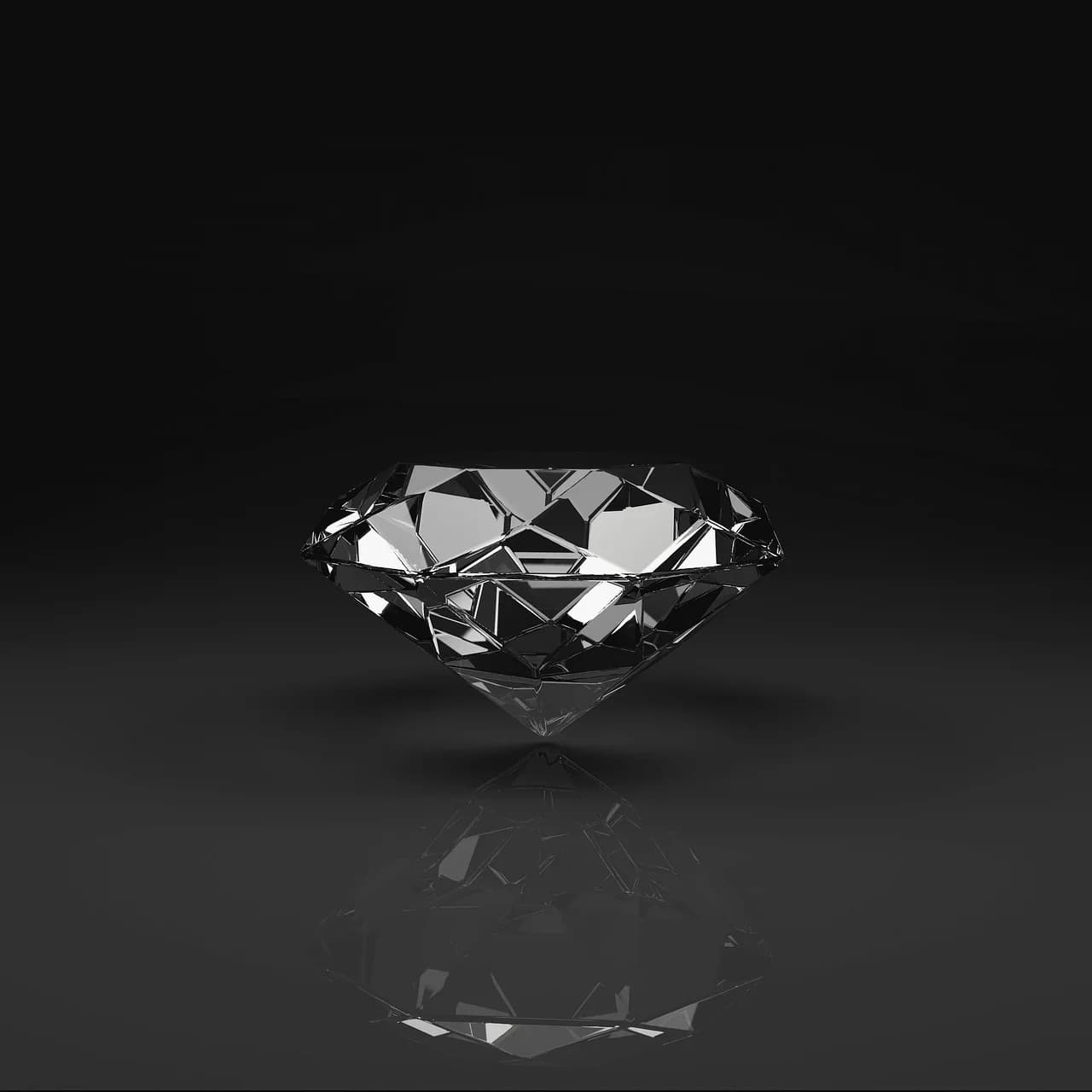
Black diamonds are real diamonds with the same chemical composition as traditional colourless diamonds.
The primary difference lies in their structure and the presence of numerous inclusions, such as graphite, which give them their characteristic black colour.
These inclusions absorb light rather than refract it, resulting in the diamond's opaque appearance.
Origins of Black Diamonds
The origin of black diamonds remains a subject of scientific intrigue.
Unlike other diamonds formed deep within the Earth's mantle, black diamonds are believed to have a different genesis.
Some theories suggest they may have formed in interstellar space and arrived on Earth via meteorites, while others propose formation through high-pressure conditions on Earth.
black diamonds have been found primarily in Brazil and the Central African Republic, adding to their mystique.
Types of Black Diamonds
There are three main types of black diamonds:
- Natural Black Diamonds (Carbonado): These are naturally occurring black diamonds, extremely rare and valued for their unique formation and appearance.
- Treated Black Diamonds: These are natural diamonds that have undergone treatments such as irradiation or high-temperature processes to induce a black colour. While they are genuine diamonds, their black hue results from human intervention.
- Lab-Created Black Diamonds: Synthetic diamonds produced in laboratories, engineered to display a black colour. They share the same chemical properties as natural diamonds but are created through artificial processes.
Identifying a Real Black Diamond
Distinguishing between natural, treated, and synthetic black diamonds can be challenging.
Key characteristics to consider include:
- Surface Lustre: Natural black diamonds often exhibit a high, almost metallic lustre when well-polished.
- Inclusions: The presence and pattern of inclusions can provide clues; however, professional evaluation is often necessary.
- Certification: Requesting a gemological certificate from reputable organisations can verify the diamond's origin and treatment history.
Value and Rarity of Black Diamonds
Natural black diamonds are rarer than their colourless counterparts, yet they are generally less expensive.
This paradox is primarily due to lower demand and the challenges associated with cutting and polishing these stones.
Treated black diamonds are more common and typically less valuable than natural ones.
For instance, treated black diamonds may cost around $300 per carat, whereas natural black diamonds can range from $3,000 to $5,000 per carat.
Popular Uses in Jewellery
Black diamonds have carved a niche in the jewellery market, particularly appealing to those seeking distinctive and unconventional pieces.
They are commonly featured in:
- Engagement Rings: Offering a bold alternative to traditional diamonds, black diamond engagement rings symbolise strength and passion. Check out black diamond engagement rings for unique designs.
- Men’s Jewellery: Their dark, robust appearance makes them popular in men's rings, cufflinks, and bracelets. Explore non-traditional engagement rings for distinctive styles.
- Statement Pieces: Black diamonds are often used in avant-garde designs, providing a striking contrast when paired with colourless diamonds or other gemstones. Discover our collection of gemstone rings for more options.
Care and Maintenance
While black diamonds are durable, they require specific care to maintain their appearance:
- Cleaning: Use a soft brush with mild soapy water. Avoid ultrasonic and steam cleaners, especially for treated diamonds, as these methods can cause damage.
- Storage: Store separately to prevent scratches to other jewellery pieces, as diamonds can scratch other gemstones and metals.
- Regular Inspections: Have your jewellery periodically inspected by a professional to ensure the settings are secure and the stone remains in good condition.
Buying Guide
When considering the purchase of a black diamond:
- Verify Authenticity: Ensure the diamond comes with certification detailing its origin and any treatments.
- Assess Quality: Examine the diamond's lustre, surface condition, and overall appearance.
- Choose Reputable Sellers: Purchase from established jewellers with positive reviews and transparent policies.
FAQs About Black Diamonds
Are black diamonds more expensive than white diamonds?
Despite their rarity, black diamonds are generally less expensive than white diamonds due to lower demand and the challenges associated with cutting and polishing them.
Do black diamonds sparkle?
Unlike colourless diamonds that reflect light and exhibit sparkle, black diamonds absorb light, resulting in a subdued, opaque appearance without the traditional sparkle.
Are black diamonds good for engagement rings?
Yes, they’re becoming increasingly popular for engagement rings thanks to their unique appearance and symbolic meaning of strength, power, and individuality.
Can black diamonds be faked?
Yes, some black stones like onyx or synthetic moissanite can be passed off as black diamonds. That’s why certification is crucial when buying.
Are black diamonds durable?
They’re very hard, like all diamonds, but the numerous inclusions can make them slightly more prone to surface cracks during cutting. With proper care, they’re highly durable in jewellery.
Yes — black diamonds are real diamonds. Most jewellery-grade black diamonds are heat-treated grey/brown natural diamonds or naturally polycrystalline carbonado. They share the Mohs 10 hardness of all diamonds, but their opaque structure means they're cut without faceted brilliance and priced from £200-£1,500/ct — far below colourless diamond.