Your wedding jewellery is worn every day for the rest of your life, so it deserves stones that are beautiful, durable and made responsibly. Increasingly, couples are choosing lab-grown diamonds for their wedding bands, eternity rings and matching jewellery. This guide explains why, and how to choose well.
Lab-grown diamonds are real diamonds — identical in chemistry, hardness (10 on the Mohs scale) and sparkle to mined stones — but typically cost 40–70% less and come with a fully traceable, conflict-free origin. That saving lets you choose a larger or higher-quality stone, buy matching pieces, or keep more of your budget for the wedding itself.
What exactly is a lab-grown diamond?
A lab-grown diamond is a genuine diamond grown in a laboratory using one of two methods — High Pressure High Temperature (HPHT) or Chemical Vapour Deposition (CVD) — that recreate the conditions under which diamonds form in the earth. The result is carbon crystallised into the same structure as a mined diamond. Independent laboratories such as IGI and GIA grade lab-grown stones on the same 4Cs (cut, colour, clarity and carat) used for natural diamonds. You can read the full process in our lab-grown diamonds hub.
Why lab-grown suits wedding jewellery
- Everyday durability — at 10 on the Mohs hardness scale, diamond is the hardest natural material, so it resists the daily knocks a wedding band takes better than softer gemstones.
- Exceptional value — the price advantage means you can choose a bigger centre stone, add diamond-set details, or buy a matching set without overspending.
- Traceable and conflict-free — every stone's origin is known, which matters to couples who want an ethical choice.
- Identical beauty — the same fire, brilliance and colour grades as mined diamonds; no one can tell the difference by eye.
Building a matching wedding set
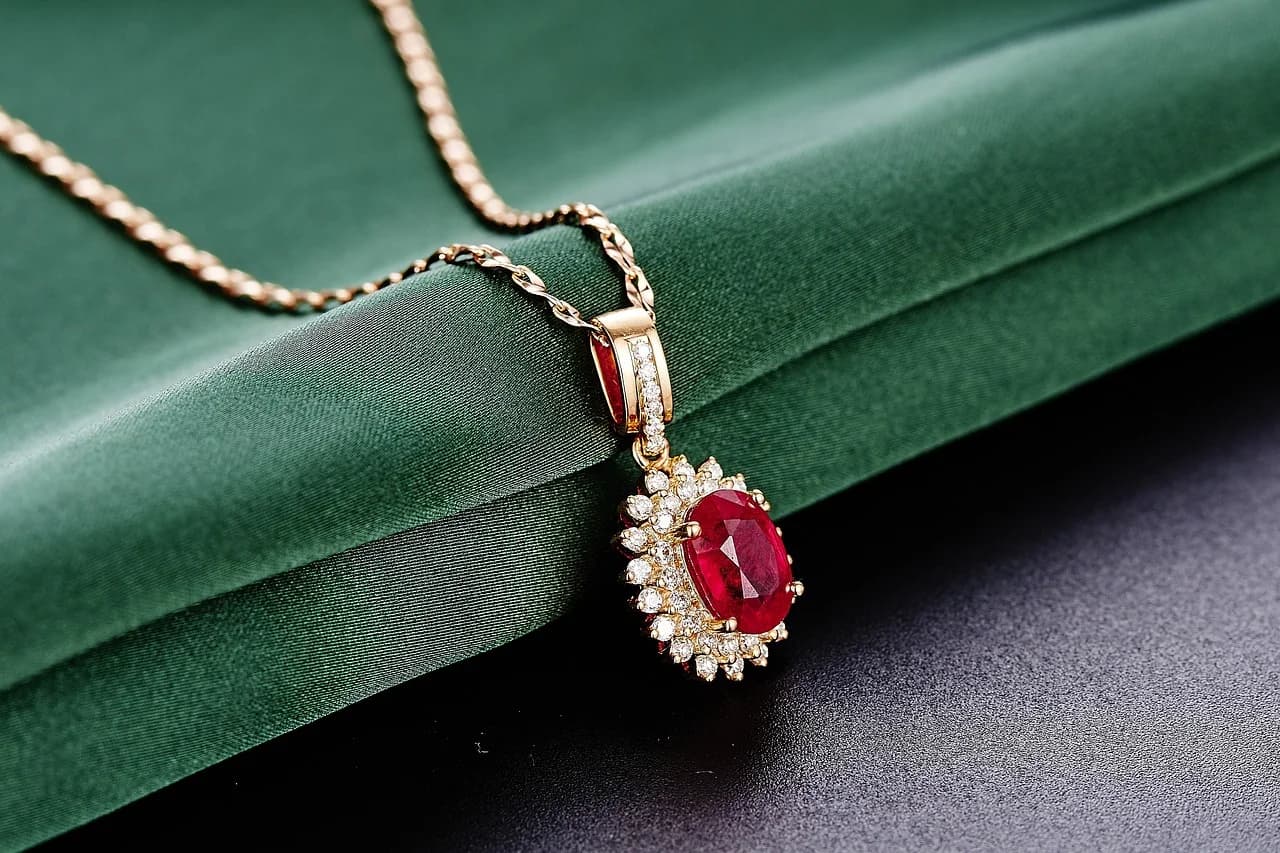
Because the savings add up, many couples use lab-grown diamonds to coordinate a whole set. Consider pairing your band with eternity rings for milestone anniversaries, a pair of diamond earrings for the ceremony, or a pendant necklace that complements your engagement ring. Keeping the diamond colour grade consistent across pieces gives the set a cohesive, considered look.
How to choose the right stones
- Prioritise cut — cut has the biggest effect on sparkle. A well-cut G–H colour, VS-clarity lab-grown diamond looks stunning and represents excellent value.
- Match metal to lifestyle — 18k gold is richer in colour; 14k and platinum are harder-wearing for active hands.
- Choose a secure setting — for daily wear, a low-profile or channel setting protects stones from catching.
- Insist on certification — always ask for an IGI or GIA grading report so you know exactly what you are buying.
Frequently asked questions
Are lab-grown diamonds real diamonds?
Yes. They are chemically, physically and optically identical to mined diamonds. The only difference is that they were grown in a laboratory rather than in the earth.
Can lab-grown wedding jewellery be resold or insured?
It can be insured just like any fine jewellery, and we recommend a valuation for cover. Resale value follows the wider diamond market; the main appeal of lab-grown is the far lower purchase price to begin with.
How do I care for lab-grown diamond jewellery?
Clean it with warm water, a little washing-up liquid and a soft brush, and have prongs checked periodically. Cared for well, it stays as brilliant as the day you bought it.
Start with our wedding bands collection to plan your set. You may also like Lab Grown Diamonds For Ethical Wedding Rings and Lab Grown Diamonds A Modern Brides Ethical And Elegant Choice.