Choosing the perfect engagement ring is a significant milestone in your relationship.
It's a symbol of your love and commitment, so it's essential to find a ring that resonates with your partner's style and your shared values.
Let's walk through the key considerations to help you make an informed and heartfelt choice.
Understanding Your Partner's Style
Start by observing the jewellery your partner typically wears.
Do they prefer classic, vintage, or modern designs?
Are they inclined towards minimalist pieces or more elaborate ones?
Noticing these details can provide valuable insights into their preferences.
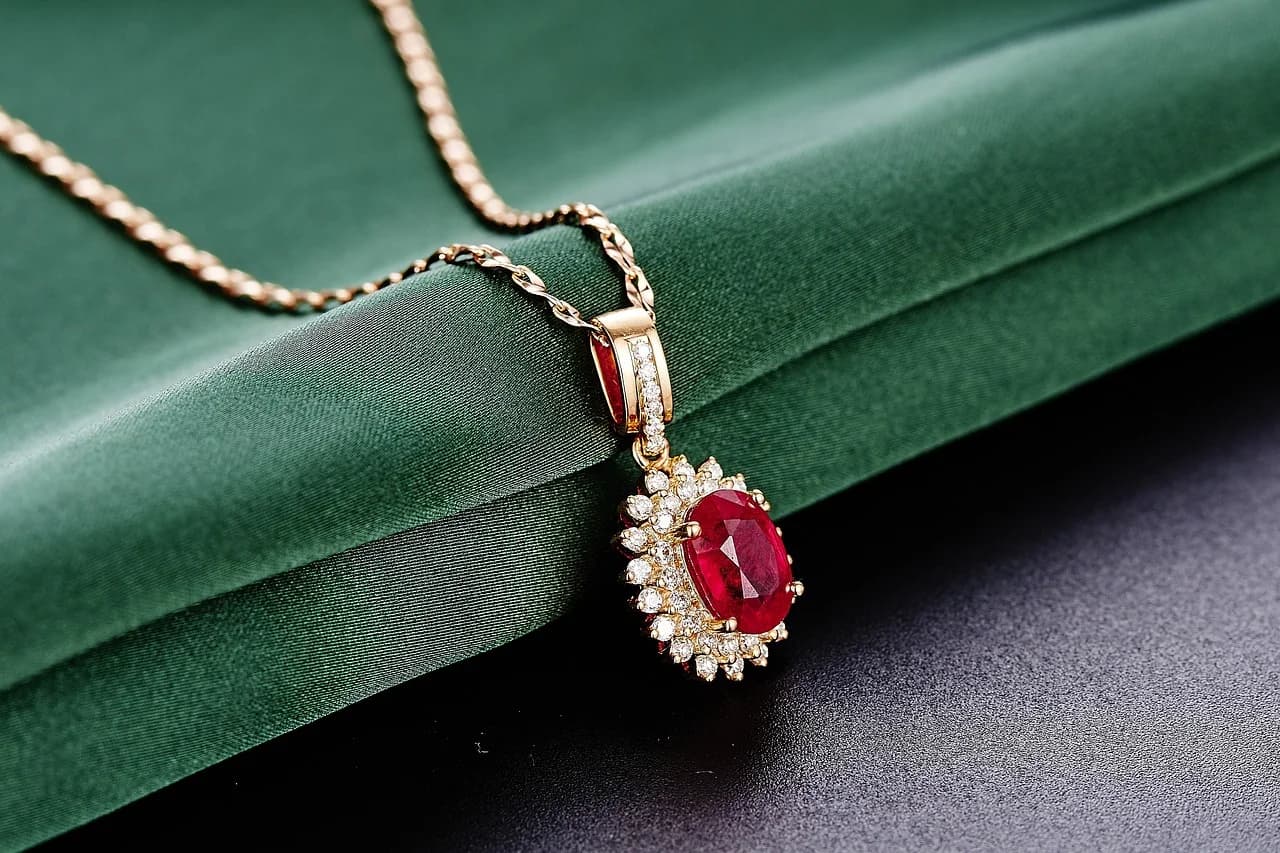
For instance, if they favour vintage aesthetics, a ring with intricate detailing or a halo setting might appeal to them.
Conversely, a solitaire diamond in a sleek setting may suit someone with a minimalist taste.
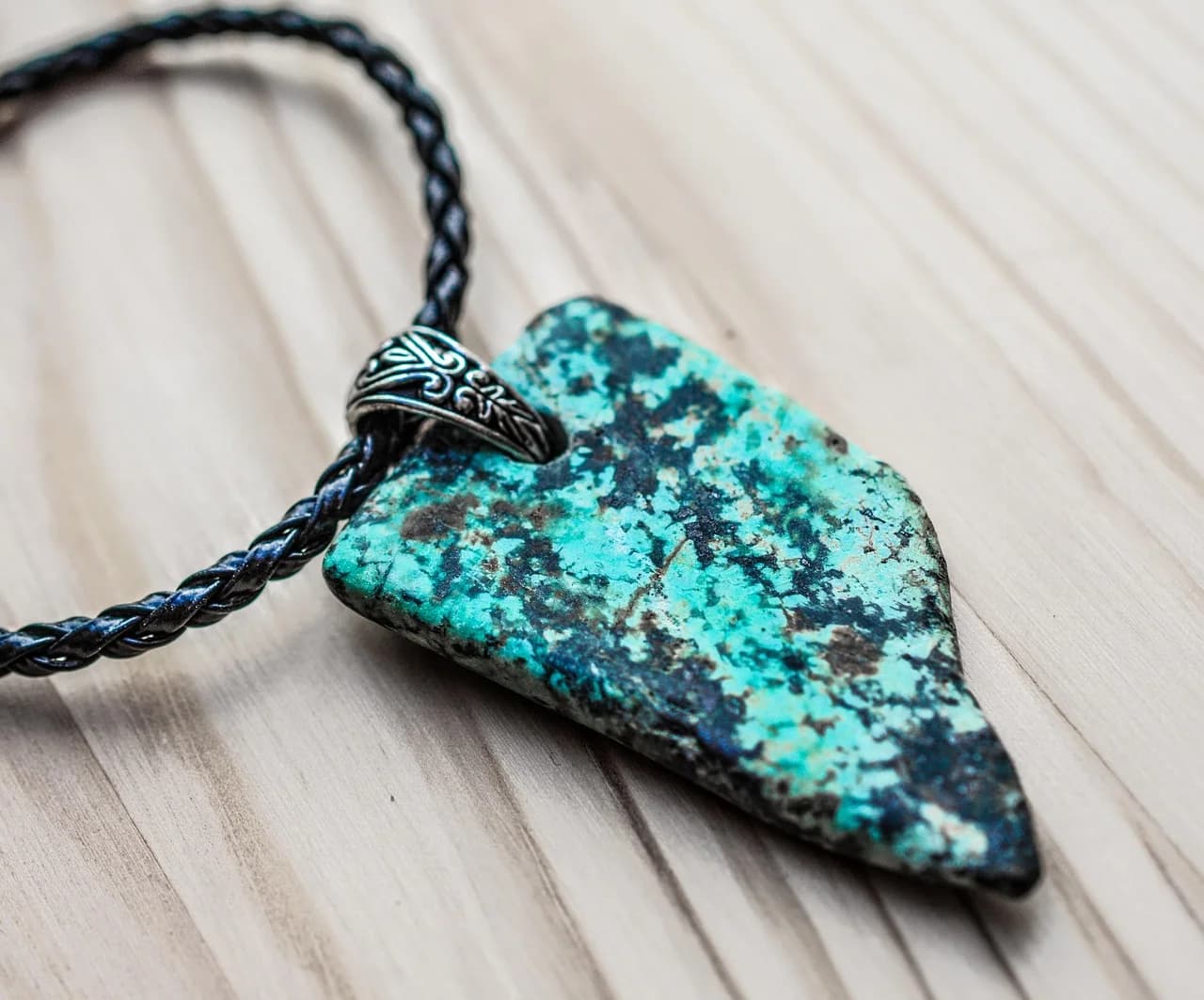
If your partner has a penchant for vibrant colours, you might want to explore gemstone engagement rings that offer unique and personalised options.
The Four Cs of Diamonds
When selecting a diamond, it's crucial to understand the Four Cs: Cut, Colour, Clarity, and Carat.
Cut: This determines the diamond's brilliance.
A well-cut diamond reflects light beautifully, enhancing its sparkle.
Colour: Diamonds are graded from D (colourless) to Z (light yellow or brown).
Colourless diamonds are rarer and typically more expensive.
Clarity: This refers to the presence of internal or external flaws, known as inclusions and blemishes.
Fewer imperfections mean higher clarity and value.
Carat: This measures the diamond's weight.
While larger diamonds are impressive, it's essential to balance size with the other Cs to ensure quality.
Understanding these factors will help you choose a diamond that offers the best combination of beauty and value within your budget.
For a deeper dive into diamond characteristics, consider reading this diamond education guide.
Selecting the Right Setting and Metal
The setting and metal of the ring play a significant role in its overall appearance and durability.
Settings: Popular options include solitaire (a single stone), halo (a central stone surrounded by smaller diamonds), and three-stone settings.
Each offers a distinct look and can enhance the diamond's appearance.
For those seeking something unique, non-traditional engagement rings offer distinctive designs that stand out.
Metals: Common choices are platinum, white gold, yellow gold, and rose gold.
Platinum is durable and hypoallergenic, while gold offers a variety of hues to match personal preferences.
Consider your partner's lifestyle when choosing the setting and metal.
For instance, a bezel setting offers added protection for the stone, making it suitable for someone with an active lifestyle.
Determining Your Budget
Setting a realistic budget is essential.
The notion of spending two to three months' salary on an engagement ring is a guideline, not a rule.
Focus on what you're comfortable spending and explore options within that range.
Remember, the value of the ring lies in its significance, not its price tag.
If you're looking for cost-effective alternatives, you might want to consider lab-grown diamonds, which offer beauty and quality at a more accessible price point.
Ethical Considerations
If ethical sourcing is important to you, consider the following:
Lab-Grown Diamonds: These are chemically identical to natural diamonds but are created in controlled environments, often with a smaller environmental footprint.
Ethically Sourced Stones: Look for certifications that guarantee the diamond is conflict-free and sourced responsibly.
Discuss these options with your jeweller to ensure your purchase aligns with your values.
For more insights, read about how lab-grown diamonds are disrupting the jewellery industry.
Finding the Correct Ring Size
Determining the correct ring size can be challenging, especially if you're aiming for a surprise proposal.
Here are some discreet methods:
Borrow a Ring: Temporarily borrow a ring your partner wears on their ring finger and have it measured by a jeweller.
Consult Friends or Family: They might have insights into your partner's ring size or can help in finding out without raising suspicion.
Remember, resizing is possible for many rings, but it's best to get as close as possible to the correct size initially.
Choosing a Reputable Jeweller
Selecting a trustworthy jeweller is crucial.
Look for:
Certifications: Ensure they provide certified diamonds with detailed information about the stone's quality.
Reviews and Recommendations: Seek feedback from previous customers or trusted sources.
Aftercare Services: Services like resizing, cleaning, and maintenance can be valuable in the long term.
A reputable jeweller will guide you through the process, ensuring you make an informed decision.
Considering Customisation
If you're looking to create a truly unique piece, consider customising the ring.
This allows you to design a ring that perfectly matches your partner's style and preferences.
While custom designs may require more time and investment, they result in a one-of-a-kind symbol of your love.
For inspiration, explore custom engagement rings that can be tailored to your specifications.
Frequently Asked Questions
How much should I spend on an engagement ring?
Spend an amount that feels right for you and aligns with your financial situation.
There's no mandatory rule; the emphasis should be on the thought and significance behind the ring.
Are lab-grown diamonds a good option?
Yes, lab-grown diamonds are an excellent choice.
They are virtually identical to natural diamonds and are often more affordable and environmentally friendly.
Learn more about lab-grown diamonds to make an informed decision.
What if I choose the wrong ring size?
Many jewellers offer resizing services.
However, it's best to get as close as possible to the correct size to maintain the ring's integrity.
Can I design a custom engagement ring?
Absolutely.
Many jewellers offer bespoke services, allowing you to create a ring tailored to your partner's tastes.
Explore custom engagement ring options to start the design process.
How do I ensure the diamond is ethically sourced?
Look for certifications such as the Kimberley Process, which ensures diamonds are conflict-free.
Discuss sourcing practices with your jeweller to ensure they align with your values.
Consider lab-grown diamonds as an ethical alternative.
The four-step framework: (1) set a comfortable budget (UK average 2025 is £3,928, not three months' salary), (2) observe their everyday-wear style (white vs yellow metal, classic vs modern), (3) prioritise cut grade and GIA/IGI certification over carat weight, (4) buy from a Hatton Garden specialist or trusted independent — never from a high-markup brand boutique.