In the world of diamonds, certain cuts transcend fashion and become true icons of craftsmanship. The Ashoka cut diamond is one such treasure. Recognised for its elongated outline, rounded corners, and intricate faceting, it combines vintage elegance with a brilliance that feels undeniably modern.
The Ashoka cut is a modified elongated cushion with 62 facets and a 1.50-1.65 length-to-width ratio, trademarked by William Goldberg in 1999 and named after the 3rd-century Indian emperor. Fewer than 200 are cut per year worldwide. UK buyers pay £6,500-£15,000 for a 1.00ct natural Ashoka D/VS1; lab-grown alternatives in similar elongated cushion form run £1,500-£3,500.
What is an Ashoka Cut Diamond?
The Ashoka cut takes its name from a legendary 41.37-carat Golconda diamond discovered in the 19th century, known as the “Ashoka Diamond.” Inspired by its beauty, master cutters in the 20th century recreated the style, perfecting a cut that remains one of the most exclusive and technically challenging in the world.
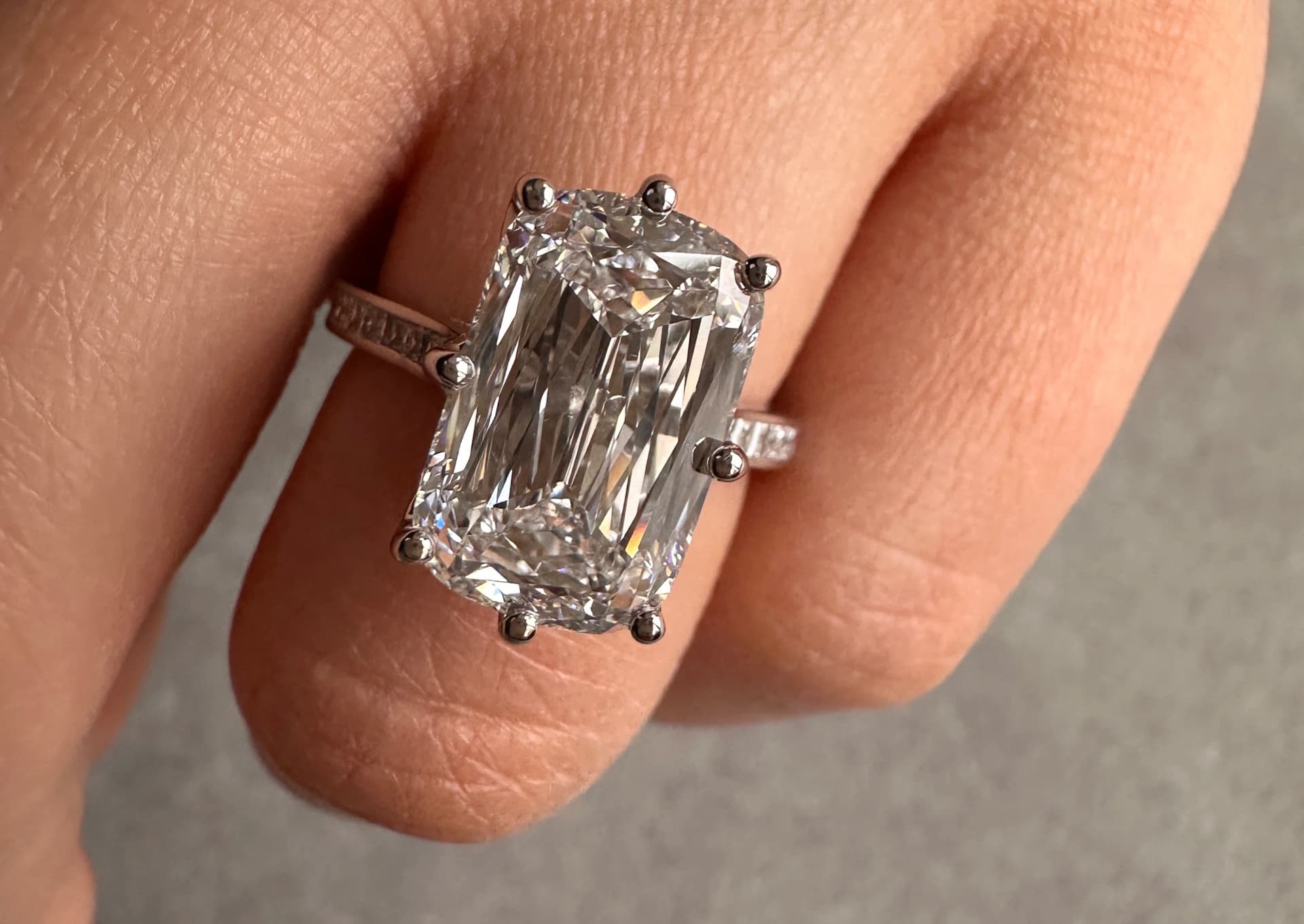
At first glance, the Ashoka resembles a rectangular cushion, but with softened edges and a graceful outline. It is instantly distinguishable by its exceptional sparkle and the way light dances across its elongated facets.
Key Features of the Ashoka Cut
Shape – Rectangular outline with rounded corners, similar to a cushion but longer and sleeker.
Faceting – Typically 62 to 70 facets, carefully arranged for maximum brilliance and fire.
Rarity – Only a very small percentage of rough diamonds can be cut into an Ashoka due to strict proportion requirements.
Elegance – The elongated form creates a flattering effect on the hand, making it a perfect centre stone for engagement rings.
The Structure of the Ashoka Cut
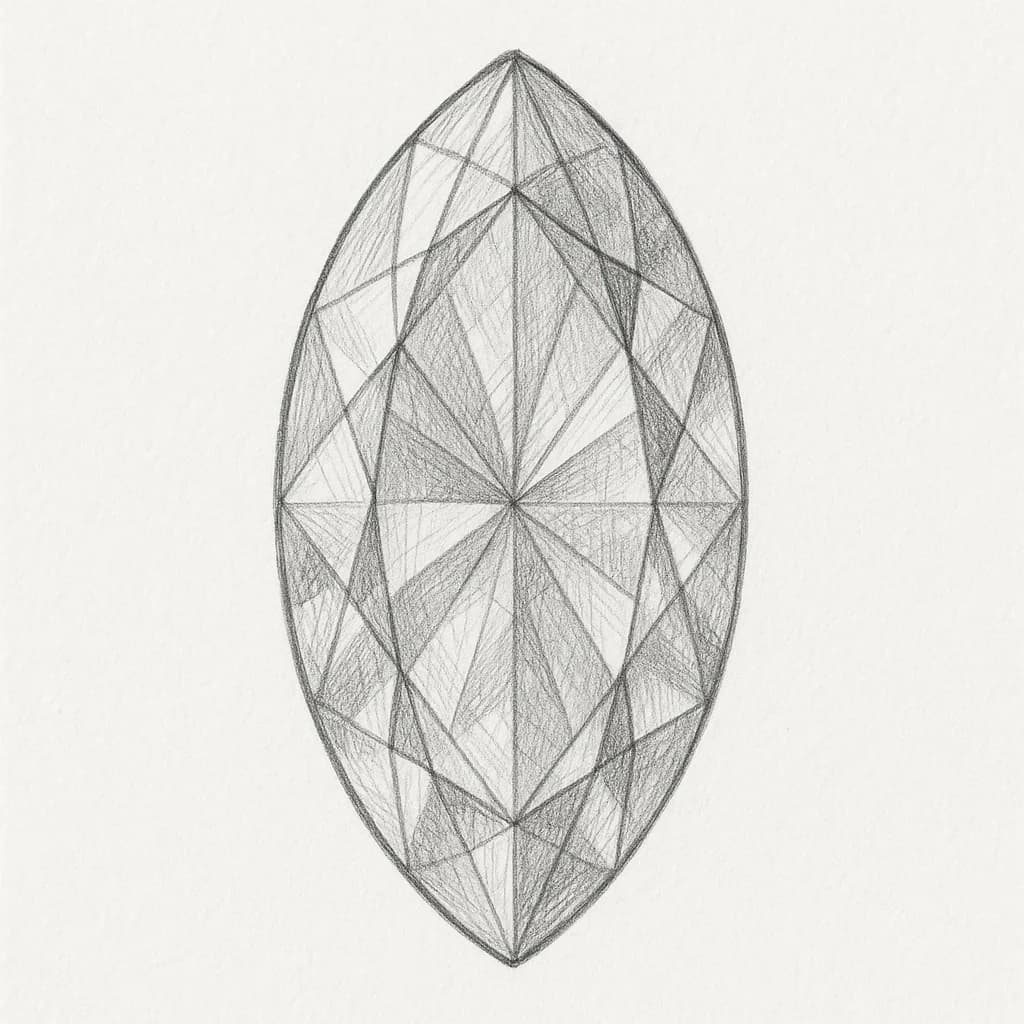
The Ashoka cut is designed with precision to enhance both brilliance and clarity.
Table – Large flat top facet to capture light.
Crown – Angled facets above the girdle that add depth and fire.
Pavilion – Carefully angled to reflect light upward, producing a radiance.
Corners – Rounded for durability and softness compared with angular rectangular cuts.
Why Choose an Ashoka Cut Diamond?
The Ashoka appeals to those seeking something truly exclusive. With its rarity, it is often reserved for bespoke jewellery, ensuring the wearer owns a piece unlike almost any other. Its brilliance rivals traditional cuts like the round brilliant, yet its shape offers a more unique and luxurious look.
Set lengthways, the Ashoka exudes timeless refinement. In a halo or three-stone design, it becomes a striking centrepiece.
Caring for an Ashoka Cut Diamond
Due to its elongated shape and many facets, the Ashoka should be set securely in a prong or bezel setting. Regular cleaning will ensure that light continues to pass freely through its many facets, maintaining its unmistakable brilliance.
The Ashoka cut diamond is the ultimate symbol of rarity and artistry. Its distinctive outline and extraordinary sparkle make it a jewel for connoisseurs and romantics alike. For those seeking a diamond that tells a story of history, craftsmanship, and elegance, the Ashoka is a peerless choice.