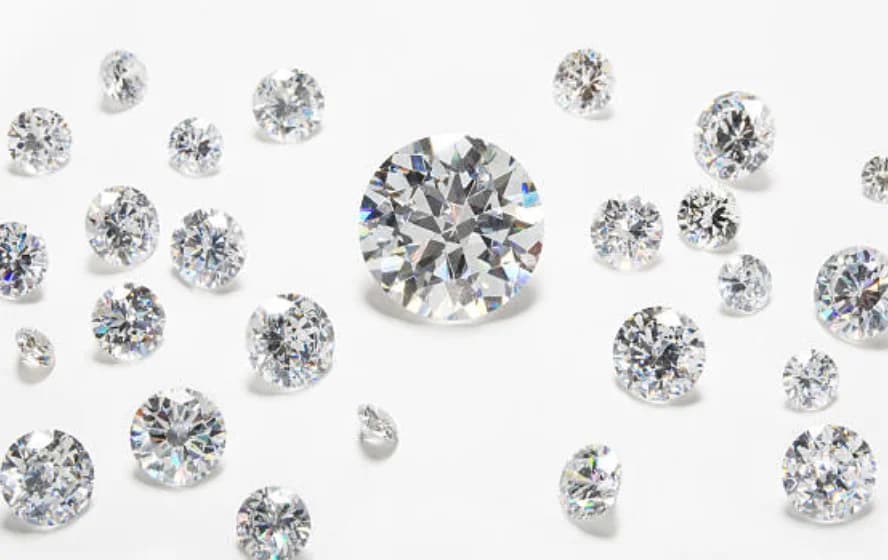
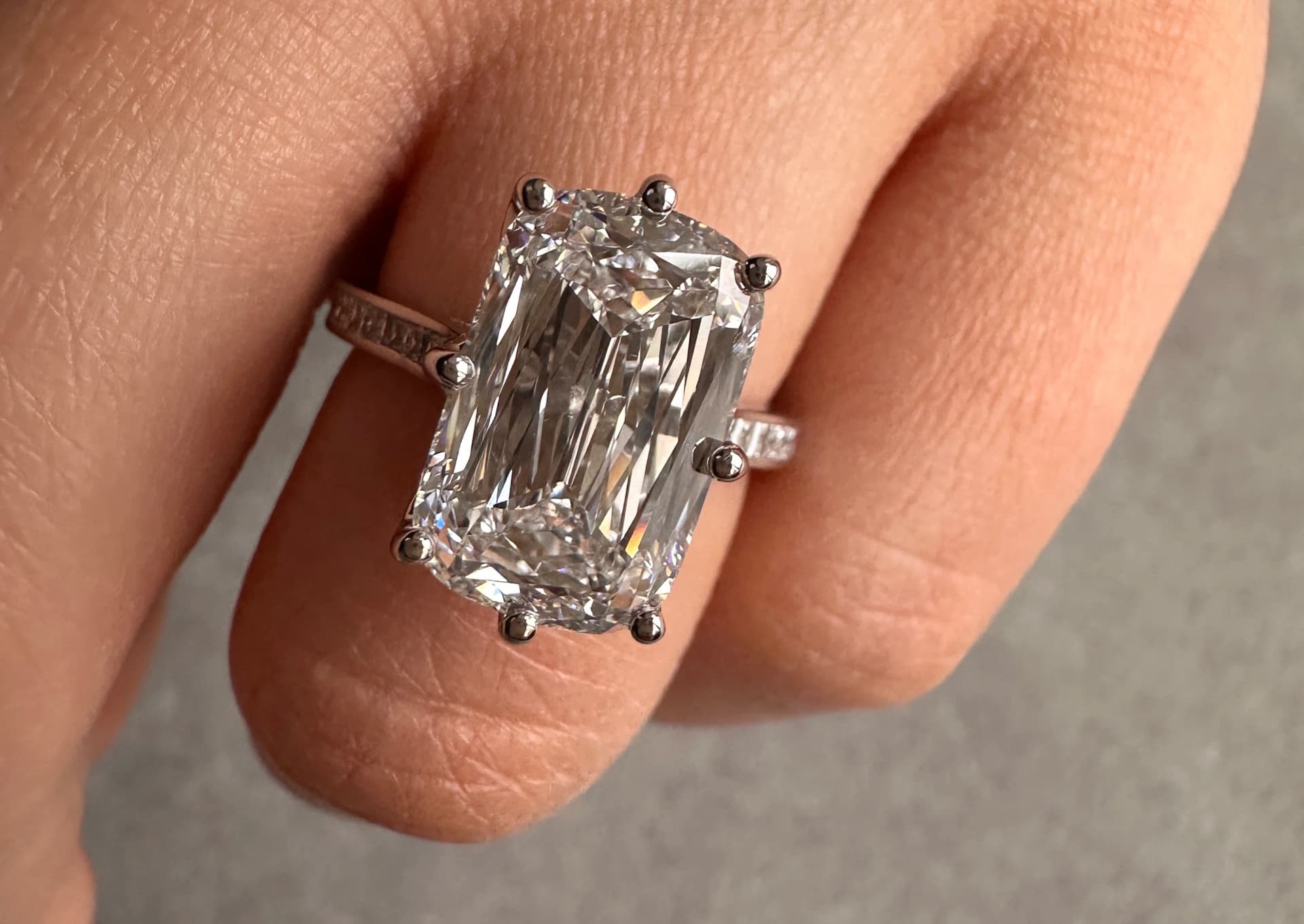
When searching for the perfect diamond, you might have encountered the term "conflict-free."
But what does it truly mean?
Let's explore the world of conflict-free diamonds and their significance.
Understanding the Term "Conflict-Free"
A conflict-free diamond is one that hasn't been mined in areas controlled by forces opposed to legitimate, internationally recognised governments, and hasn't been used to fund armed conflicts.
These diamonds are often referred to as "blood diamonds" due to their association with violence and human rights abuses.
The Dark History of Conflict Diamonds
In the late 20th century, particularly in African nations like Sierra Leone and Angola, the diamond trade was infamously linked to brutal civil wars.
Rebel groups would mine and sell diamonds to finance their military operations, leading to widespread atrocities and prolonged conflicts.
The Kimberley Process: A Step Towards Ethical Sourcing
To combat the trade of conflict diamonds, the international community established the Kimberley Process Certification Scheme (KPCS) in 2003.
This system aims to prevent conflict diamonds from entering the mainstream market by requiring participating countries to implement stringent controls over diamond production and trade.
Today, it's estimated that 99.8% of diamonds in the marketplace are conflict-free, thanks to the Kimberley Process.
Beyond Conflict-Free: Ethical Diamonds
While the Kimberley Process addresses the issue of conflict diamonds, it doesn't encompass all ethical concerns.
An "ethical diamond" goes beyond being conflict-free; it ensures fair pay, safe working conditions, environmentally sound practices, and no human rights abuses throughout the entire supply chain.
Alternatives to Traditional Diamonds
For those seeking truly ethical options, there are alternatives:
Lab-Grown Diamonds
These are created in controlled environments, eliminating the need for mining and ensuring a conflict-free origin.
They have the same physical and chemical properties as natural diamonds.
For a comprehensive comparison, check out lab-grown diamonds vs gemstones.
Recycled Diamonds
Sourced from pre-owned jewellery, these diamonds are repurposed, reducing the demand for new mining and promoting sustainability.
Gemstone Engagement Rings
For a unique and ethical choice, consider exploring gemstone engagement rings, which offer vibrant alternatives to traditional diamonds.
Ensuring Your Diamond Is Truly Ethical
When purchasing a diamond:
Ask for Documentation
Request certificates of origin and details about the diamond's journey from mine to market.
Research the Retailer
Choose jewellers committed to ethical sourcing and transparent supply chains.
For instance, explore non-traditional engagement rings that often feature ethically sourced stones.
Consider Alternatives
Explore lab-grown or recycled diamonds as ethical and sustainable choices.
Frequently Asked Questions
What's the difference between conflict-free and ethical diamonds?
Conflict-free diamonds haven't funded armed conflicts, while ethical diamonds ensure fair labour practices, environmental responsibility, and no human rights abuses throughout their supply chain.
Are lab-grown diamonds considered ethical?
Yes, lab-grown diamonds are generally considered ethical as they're created without mining, reducing environmental impact and eliminating concerns related to conflict funding.
How can I verify a diamond's ethical sourcing?
Request detailed documentation, research the retailer's sourcing policies, and consider certifications from recognised ethical standards.
Do ethical diamonds cost more?
Not necessarily.
Lab-grown diamonds, for example, are often more affordable than their mined counterparts.
Is the Kimberley Process foolproof?
While the Kimberley Process has significantly reduced the trade of conflict diamonds, it has limitations and doesn't address all ethical concerns in the diamond industry.
Conflict-free diamonds are stones certified under the Kimberley Process (a 2003 UN-backed scheme covering 99%+ of rough trade) as not funding armed conflict. Critics argue the standard does not cover broader human-rights and environmental concerns. Lab-grown diamonds bypass mining entirely — pure carbon, Mohs 10, fully traceable to UK or partner labs — and now make up over 60% of UK 2025 engagement-ring centre stones.