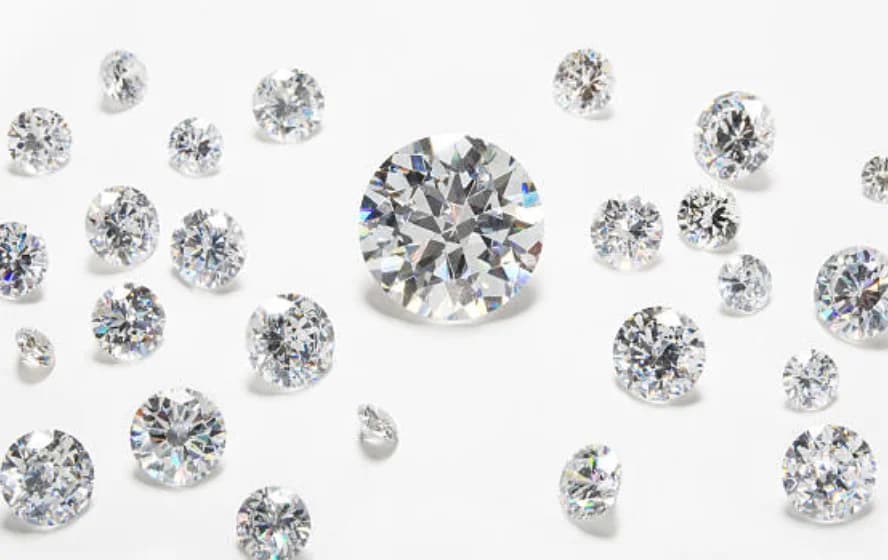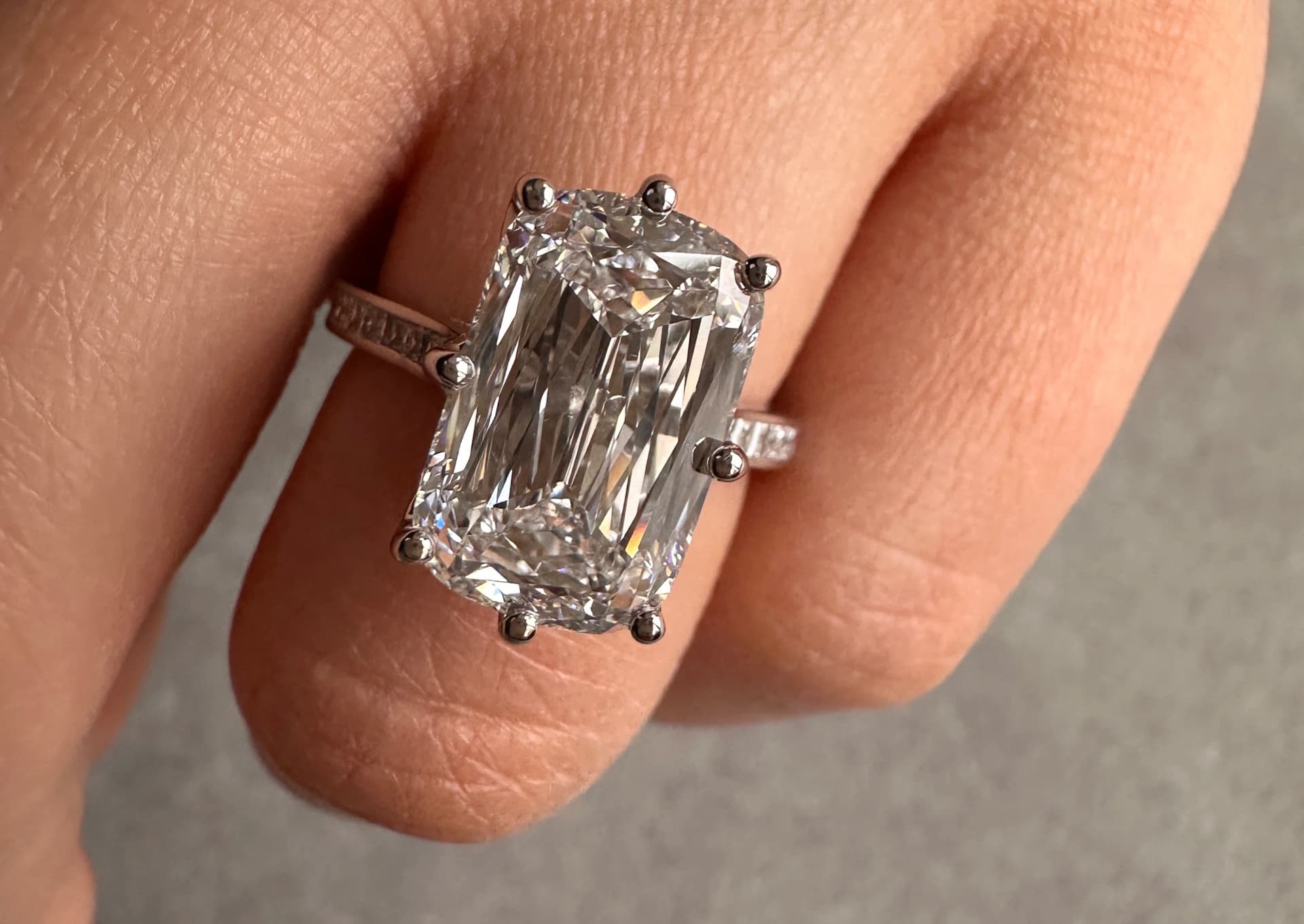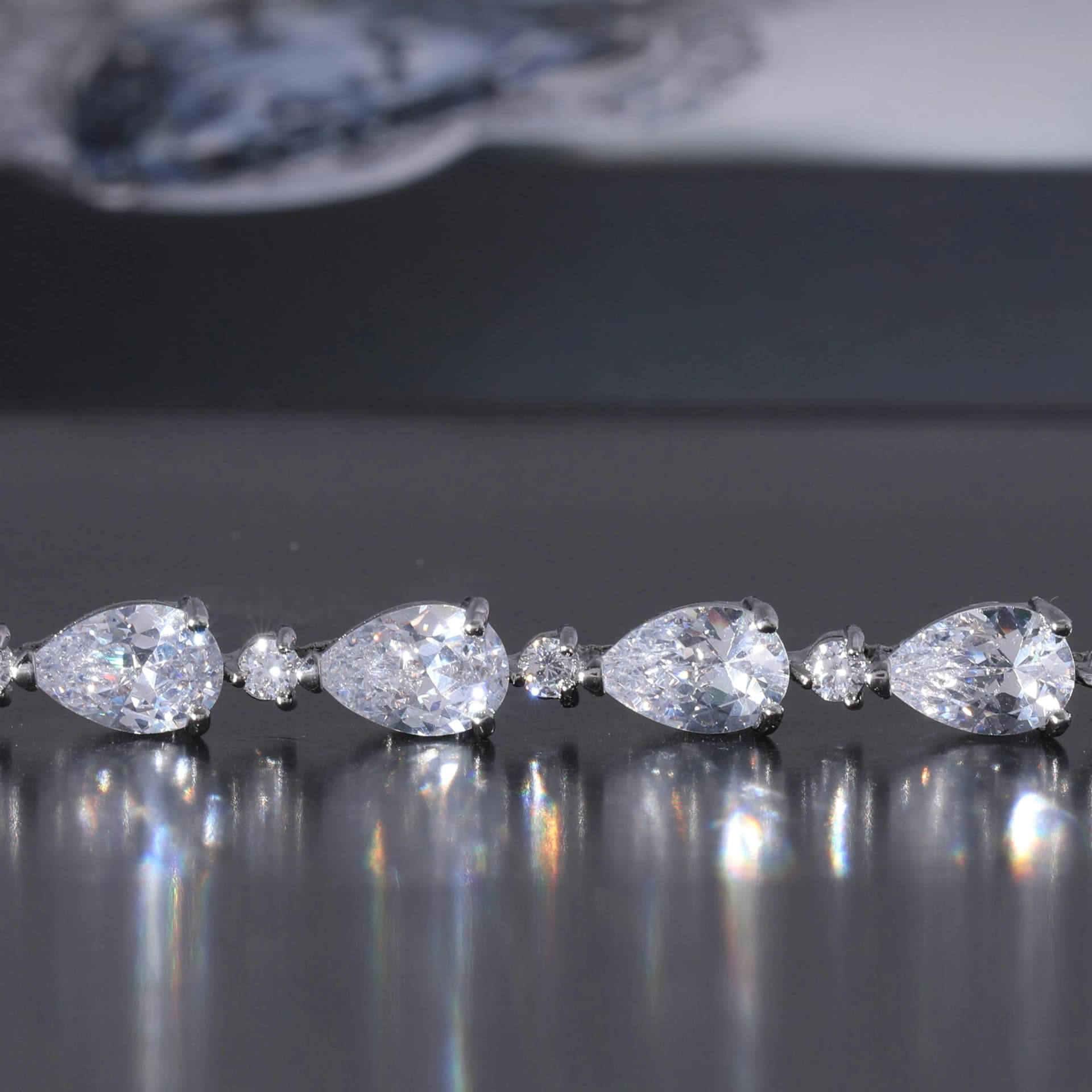
When it comes to choosing the perfect gemstone, diamonds have long been the traditional choice.
However, there are numerous reasons why you might consider alternatives.
Whether it's ethical concerns, budget constraints, or simply a desire for something unique, exploring other gemstones can lead you to a piece that's just as stunning and meaningful.
Why Look Beyond Diamonds?
Ethical Considerations
The diamond industry has faced scrutiny over issues like conflict diamonds.
Opting for alternative gemstones can be a way to ensure your jewellery aligns with your values.
Budget-Friendly Options
Many diamond alternatives offer similar beauty without the hefty price tag, allowing you to invest in a larger or higher-quality stone within your budget.
Unique Aesthetic Appeal
Choosing a non-diamond gemstone can result in a distinctive piece that stands out and reflects personal style.
Top Diamond Alternatives
Moissanite: The Brilliant Rival
Moissanite is renowned for its exceptional brilliance and fire, often surpassing that of diamonds.
Discovered in a meteor crater, this gemstone is now lab-created, making it an ethical and affordable choice.
Pros:
- Brilliance: Exhibits more fire and sparkle than diamonds.
- Durability: Ranks 9.25 on the Mohs scale, making it suitable for everyday wear.
- Cost: Significantly less expensive than diamonds.
Cons:
- Distinctive Sparkle: Some may notice its unique rainbow-like sparkle, differing from a diamond's appearance.
If you're looking for a unique, ethical engagement ring, check out non-traditional engagement rings featuring moissanite and other alternatives.
Lab-Grown Diamonds: Ethically Identical
Lab-grown diamonds are chemically and physically identical to natural diamonds but are created in controlled environments.
They offer an ethical alternative without compromising on quality.
Pros:
- Identical Properties: Same hardness and brilliance as natural diamonds.
- Ethical Sourcing: Free from the concerns associated with mining.
- Price: Typically 20-40% less expensive than mined diamonds.
Cons:
- Perceived Value: Some may still prefer natural diamonds due to traditional perceptions.
To learn more about how these compare, check out lab-grown diamonds vs gemstones.
Sapphires: A Touch of Royalty
Sapphires, often associated with royalty, come in various colours, with blue being the most iconic.
They offer a classic yet distinctive look.
Pros:
- Durability: Ranks 9 on the Mohs scale, suitable for daily wear.
- Variety: Available in a range of colours including pink, yellow, and green.
- lasting appeal: A classic choice with a rich history.
Cons:
- Colour Preferences: Not everyone may prefer the coloured hues over a traditional clear stone.
For those interested in sapphire engagement rings, check out blue sapphire engagement rings for a timeless choice.
Morganite: The Romantic Pink
Morganite is cherished for its soft pink to peach hues, exuding a romantic and feminine charm.
It's a variety of beryl, related to emerald and aquamarine.
Pros:
- Aesthetic Appeal: Its delicate colour offers a unique and romantic look.
- Affordability: Generally more affordable than diamonds and other precious gemstones.
Cons:
- Durability: With a Mohs hardness of 7.5 to 8, it's less durable than diamonds and sapphires, requiring mindful wear.
If you love the soft tones of morganite, check out gemstone engagement rings for more options.
Aquamarine: The Serene Blue
Aquamarine, with its tranquil blue tones, evokes the calmness of the sea.
It's another beryl variety, offering a fresh alternative to traditional gemstones.
Pros:
- Colour: Its light blue hue is both soothing and eye-catching.
- Affordability: Generally less expensive than diamonds and sapphires.
Cons:
- Durability: Similar to morganite, it ranks 7.5 to 8 on the Mohs scale, so it requires careful handling.
You can also explore more aquamarine options in the gemstone rings collection.
Emerald: The Vibrant Green
Emeralds are famed for their rich green colour and have been cherished throughout history.
They make a bold and distinctive choice.
Pros:
- Unique Colour: Offers a striking and vibrant appearance.
- Historical Significance: Long associated with royalty and elegance.
Cons:
- Durability: With a Mohs hardness of 7.5 to 8, emeralds can be prone to chipping and require careful maintenance.
If you're captivated by emeralds, check out emerald engagement rings for lasting appeal.
For a deeper understanding of gemstone origins, check out how gemstones and diamonds are formed.
Choosing the Right Alternative for You
When selecting a diamond alternative, consider the following:
Personal Style
Choose a gemstone that resonates with your aesthetic preferences.
Durability Needs
If you lead an active lifestyle, opt for harder gemstones like moissanite or sapphires.
Budget
Determine how much you're willing to invest and explore options within that range.
Ethical Values
If sourcing and environmental impact are concerns, lab-grown diamonds or moissanite are excellent choices.
If you're shopping for meaningful gifts, you can also check out the gemstone rings gift collection.
Frequently Asked Questions
Are diamond alternatives as durable as real diamonds?
While diamonds rank 10 on the Mohs hardness scale, making them the hardest known mineral, alternatives like moissanite (9.25) and sapphires (9) are also highly durable and suitable for everyday wear.
Will people be able to tell it's not a diamond?
High-quality alternatives like moissanite and lab-grown diamonds closely resemble natural diamonds.
Most people won't notice the difference without specialised equipment.
Are lab-grown diamonds considered "fake"?
Not at all.
Lab-grown diamonds have the same physical, chemical, and optical properties as mined diamonds.
The primary difference lies in their origin.
Which diamond alternative sparkles the most?
Moissanite is known for its exceptional brilliance and fire, often displaying more sparkle than a traditional diamond.
If you’re looking to complete your bridal jewellery set, check out diamond wedding rings for the perfect match.
The best ethical diamond alternatives are moissanite (Mohs 9.25, £150-£400 per ct), lab-grown diamonds (Mohs 10, £900-£1,800 per ct lab versus £6,500+ natural), white sapphire (Mohs 9, £80-£300 per ct) and lab-grown sapphires and rubies (£40-£200 per ct). Moissanite throws the most fire; lab-grown diamond delivers identical chemistry to mined. All carry GIA or IGI grading. Pick on hardness, sparkle and budget.