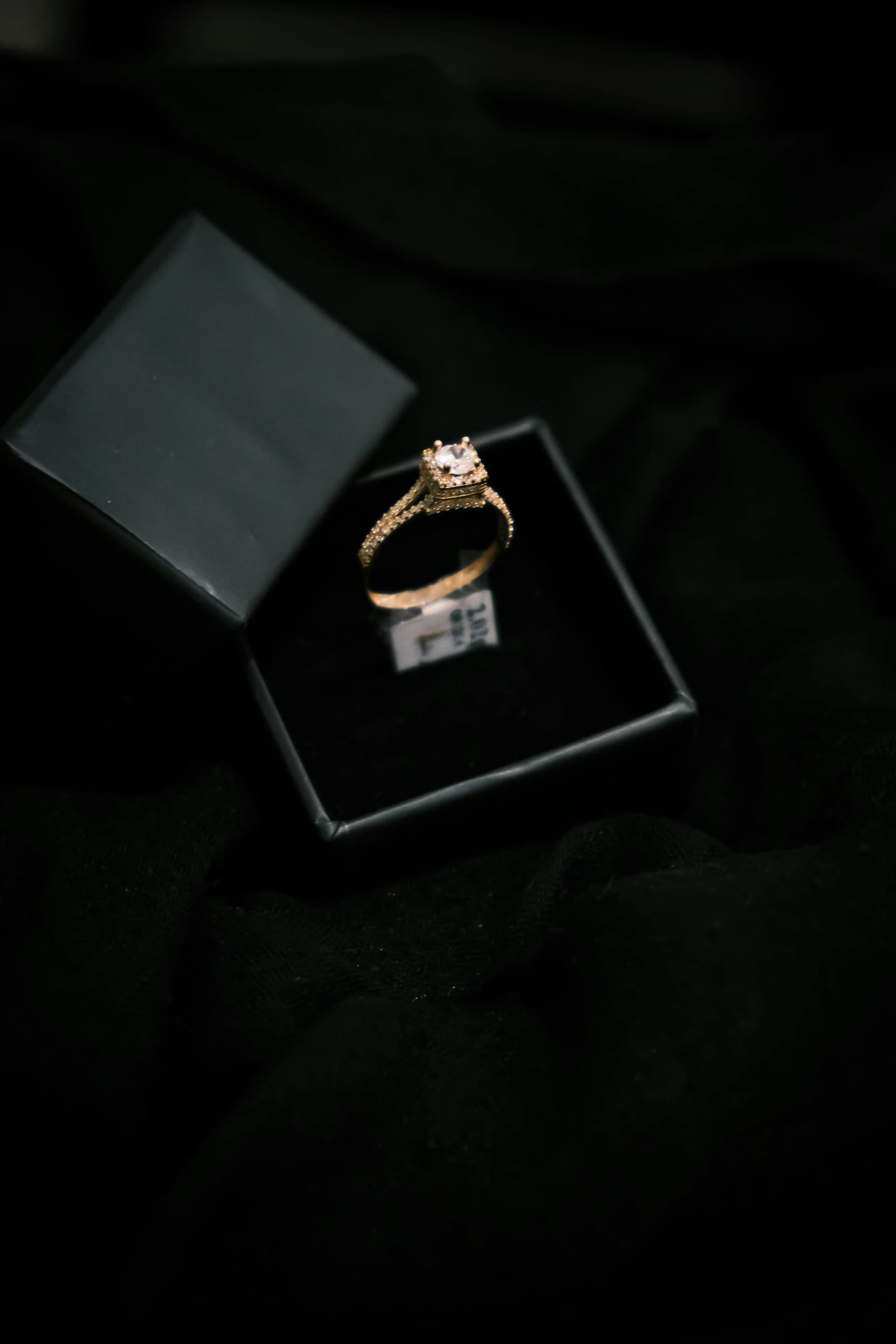
When it comes to engagement rings, rose gold has steadily grown in popularity, offering a timeless, romantic choice that feels both unique and classic. Its warm, pinkish hue has captured the hearts of modern brides and grooms alike, blending vintage charm with contemporary style. In this article, we’ll explore why rose gold diamond engagement rings are on the rise, their history, and how to choose the perfect one.
Rose gold is 18kt gold (75% gold) alloyed with copper for its warm pink hue — it represented around 25% of UK 2025 engagement-ring metals, up from under 8% a decade ago. It pairs beautifully with morganite and pink-tinted diamonds, hides minor scratches better than white gold, and never needs rhodium replating. UK 2025 pricing for a rose-gold solitaire with a 1.00ct lab-grown D/VS1 sits at £1,600-£2,400.
What Is Rose Gold?
Rose gold is a blend of gold and copper, which gives it that signature pink hue. Unlike yellow or white gold, rose gold isn’t a naturally occurring metal—it’s an alloy, meaning it’s created by mixing pure gold with copper and sometimes silver. This unique mix adds strength and durability to the metal, making it an excellent choice for engagement rings that are worn every day.
Historically, rose gold first gained popularity in Russia during the 19th century, which is why it’s sometimes referred to as "Russian gold." It became a favourite in vintage jewellery, especially during the Victorian era, and now, it’s experiencing a major revival in the world of engagement rings.
Why Choose Rose Gold for Your Engagement Ring?
There’s something undeniably romantic about rose gold. Its soft, warm glow makes it a perfect symbol of love and passion. Many brides and grooms choose rose gold because it stands out from the more traditional choices of white or yellow gold. It’s a metal that offers a sense of individuality while remaining timeless and elegant.
One of the reasons rose gold is so appealing is its versatility. The pink hue complements a variety of skin tones, from fair to deep, making it universally flattering. Whether your style is vintage, modern, or somewhere in between, rose gold’s warm tone pairs beautifully with all kinds of diamonds and settings. For more ideas, check out engagement rings available in a wide range of styles and settings.
The Celebrity Influence on Rose Gold Engagement Rings
Like many fashion and jewellery trends, rose gold engagement rings have been boosted by celebrity influence. High-profile stars like Blake Lively and Leighton Meester chose rose gold for their engagement rings, sparking a wave of interest among brides-to-be. Celebrities are often trendsetters, and when they showcase rose gold on the red carpet, it’s no surprise that it’s become a go-to choice for modern couples.
How Rose Gold Stands Out from Other Metals
When compared to white or yellow gold, rose gold has a few key differences that make it unique. Yellow gold is the most traditional option, while white gold offers a sleek, modern look. Rose gold, on the other hand, provides a balance of both—a vintage feel with a modern twist.
Rose gold also tends to be more affordable than platinum or white gold, as copper is less expensive than the alloys used in other gold types. This affordability, coupled with its distinct beauty, makes rose gold a popular choice for those looking to invest in something both meaningful and budget-friendly. If you’re interested in luxurious options, check out large diamond rings for a, bold statement.
Another advantage of rose gold is that it doesn’t tarnish like other metals. Over time, some metals can lose their lustre, but rose gold maintains its colour and beauty with proper care. It’s also more durable than white or yellow gold, thanks to the strength of copper in its alloy.
Popular Styles for Rose Gold Engagement Rings
One of the best things about rose gold is its versatility in design. Whether you prefer something classic or modern, there’s a rose gold engagement ring style that will suit your taste.
- Solitaire Settings: Simple yet stunning, solitaire settings let the beauty of the diamond and the warmth of the rose gold shine through.
- Halo Settings: The combination of a rose gold band and a halo of diamonds creates a brilliant, radiant look that’s perfect for brides who want some extra sparkle.
- Vintage-Inspired Designs: If you love the look of antique or heirloom jewellery, a rose gold engagement ring in a vintage-inspired setting will give you all the old-world charm with a modern twist.
- Twisted or Braided Bands: Rose gold is often used in unique, non-traditional band designs like braided or twisted shanks, giving the ring a creative and distinctive look.
For more inspiration, you can explore a variety of wedding bands that pair beautifully with rose gold.
How to Choose the Perfect Rose Gold Engagement Ring
When choosing a rose gold engagement ring, it’s important to consider the style that best suits your taste and lifestyle. Here are a few key factors to keep in mind:
- Diamond Shape: While rose gold complements almost every diamond shape, some of the most popular choices include round, oval, and pear-cut diamonds. The warm tone of rose gold adds a soft glow that enhances the beauty of these shapes.
- The 4 Cs: Don’t forget the basics. When choosing a diamond, always consider the 4 Cs: cut, colour, clarity, and carat. Rose gold tends to pair well with diamonds that have a slight tint, as the warm colour can help mask any imperfections in the stone’s colour.
- Matching with Other Jewellery: If you already have jewellery that you wear every day, like a watch or other rings, consider how a rose gold engagement ring will fit with your existing pieces. Rose gold can look stunning when paired with both silver and gold jewellery, offering a unique and harmonious look. To complement your engagement ring, check out eternity rings for a beautiful symbol of lasting love.
Caring for Your Rose Gold Engagement Ring
Rose gold is a durable metal, but like all fine jewellery, it needs some care to keep it looking its best. To maintain its shine, regularly clean your ring with warm water and mild soap, using a soft toothbrush to gently scrub the band and setting. Avoid exposing your rose gold ring to harsh chemicals, such as chlorine or bleach, which can dull its lustre over time.
It’s also a good idea to have your rose gold ring professionally cleaned and polished every six to twelve months to ensure it stays in pristine condition. Regular maintenance will help keep the band and the diamond looking as radiant as the day you said, “yes.”
Genuine Stories of Couples Embracing Rose Gold
Rose gold engagement rings aren’t just a trend—they’re a meaningful choice for couples seeking something special.
- The Vintage Romantic: Emily and Michael chose a vintage-inspired rose gold ring to honour her grandmother’s legacy. The ring, with its intricate filigree and round-cut diamond, felt like a piece of history wrapped in love. “It reminds me of my family’s roots, but it also feels like a symbol of the future we’re building together,” Emily said.
- The Modern Minimalists: For Ashley and David, a simple solitaire rose gold ring was the perfect match for their minimalist lifestyle. “We wanted something timeless and elegant, but not too flashy. The rose gold added warmth and individuality to an otherwise classic design,” said Ashley.
- The Eco-Friendly Enthusiasts: Sarah and James, who are passionate about sustainability, chose a lab-grown diamond in a rose gold setting. “We wanted a ring that reflected our values. The rose gold combined with the lab-grown diamond felt like the most ethical and beautiful option,” said Sarah.
The Future of Rose Gold Engagement Rings
Rose gold’s popularity shows no signs of slowing down. Its perfect blend of vintage charm and modern appeal makes it a favourite for couples who want something a little different yet timeless. As trends in jewellery design continue to evolve, we expect to see more unique combinations, such as mixing rose gold with white or yellow gold for a striking two-tone effect.
Rose gold isn’t just a passing trend. It’s here to stay as a symbol of love, individuality, and elegance.
Frequently Asked Questions (FAQs)
- Does rose gold scratch easily? Rose gold is relatively durable compared to yellow or white gold, thanks to the strength of copper in the alloy. However, like all gold, it can still scratch with daily wear.
- Is rose gold more expensive than white or yellow gold? Generally, rose gold is priced similarly to yellow and white gold, but the cost can vary depending on the jeweller and the other metals used in the alloy.
- Can rose gold be resized? Yes, rose gold rings can be resized. However, because of the copper content, it’s recommended to have resizing done by a jeweller experienced with rose gold.
- Does rose gold fade over time? Unlike white gold, which can lose its rhodium plating, rose gold does not fade. However, it can develop a patina over time, which some people find adds character to the ring.
- What diamonds look best in a rose gold setting? Rose gold pairs beautifully with diamonds of all colours and shapes. Diamonds with a slightly warmer colour, like G or H on the colour scale, often look stunning in a rose gold setting, as the pink hue can enhance the stone’s natural warmth.
Rose gold engagement rings offer a beautiful and unique way to celebrate love. Whether you’re drawn to its warm glow, vintage charm, or modern elegance, this versatile metal is a perfect choice for couples seeking something a little different yet timeless.