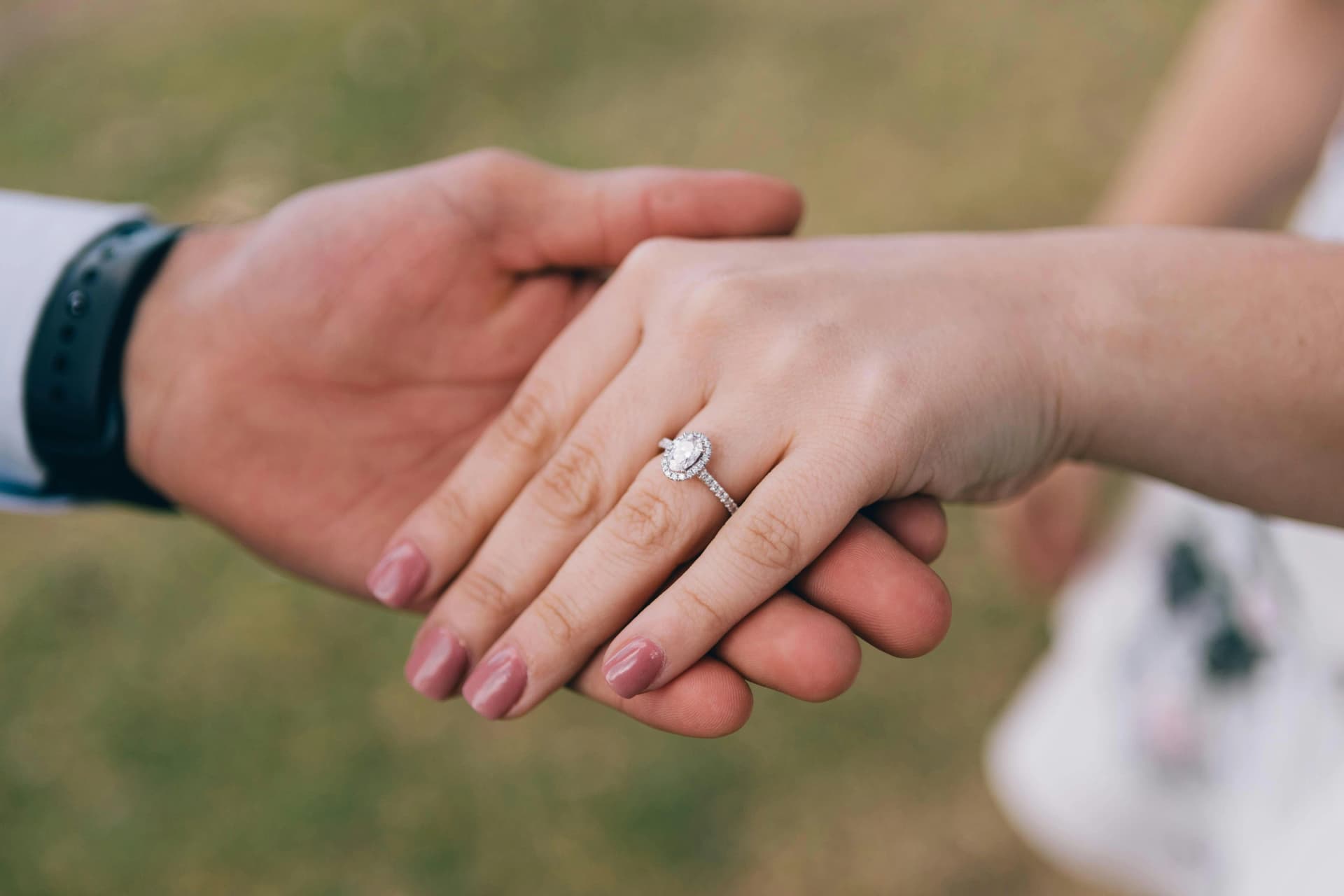
Lab-grown diamonds are changing the way people think about fine jewelry.
Lab-grown diamonds are real diamonds — identical carbon crystal structure, Mohs 10 hardness, identical optical properties — produced in 4-6 weeks in a lab rather than mined over billions of years. Expect to pay 60-80% less than mined equivalents: a 1.00ct GIA-certified lab diamond runs roughly $1,500-$3,500 in 2025, versus $5,000-$10,000 mined. Always insist on IGI or GIA certification before buying.
With their appeal as an ethical, affordable alternative to mined diamonds, they’re quickly becoming a favorite choice for couples and jewelry lovers around the world.
Whether you're shopping for an engagement ring, a wedding band, or a personal piece, lab-grown diamonds offer an ideal blend of beauty, value, and sustainability.
In this guide, we'll dive into everything you need to know about lab-grown diamonds, from their benefits to caring for them and more.
What Are Lab-Grown Diamonds?
Lab-grown diamonds are created in high-tech labs using methods that mimic the natural diamond-growing process.
Just like natural diamonds, these lab-grown gems are made of pure carbon, which means they have the same chemical, physical, and optical properties as mined diamonds.
The key difference lies in their origin: lab-grown diamonds are cultivated in controlled environments, while natural diamonds are formed over millions of years within the earth.
These diamonds are often indistinguishable from natural diamonds to the naked eye.
They sparkle with the same brilliance and offer a range of shapes, sizes, and colors, making them an excellent option for any type of jewelry.
For those interested in specific shapes, browse radiant lab-grown diamonds or explore the beauty of cushion lab-grown diamonds.
Benefits of Choosing Lab-Grown Diamonds
Lab-grown diamonds bring a host of benefits that are hard to ignore.
Here’s why they’re such a great choice:
- Affordability: One of the biggest advantages of lab-grown diamonds is their cost.
Because they don’t require mining, they generally cost 30-40% less than comparable natural diamonds.
This price difference can be significant, especially if you're looking for a larger carat size.
If you’re searching for affordable options, check out our lab-grown diamond collection for beautiful, budget-friendly choices.
- Environmental Impact: Traditional diamond mining can have a significant impact on the environment.
In contrast, lab-grown diamonds are created with much less energy and don’t require disruptive mining processes.
This eco-friendliness is a big plus for anyone looking to make a more sustainable choice.
- Ethical Sourcing: Lab-grown diamonds eliminate concerns around conflict or "blood" diamonds, which have been linked to unethical labor practices in some parts of the world.
With lab-grown diamonds, you can enjoy the peace of mind that your gem was sourced in a responsible, humane way.
- Customization Options: Lab-grown diamonds are often more customizable than mined diamonds.
Because they’re made in a lab, they can be grown to specific sizes and even in certain colors, offering more flexibility in design and personal style.
If you’re interested in color options, browse our fancy colored lab-grown diamonds for unique and vibrant choices.
Lab-Grown Diamonds vs. Natural Diamonds
Lab-grown and natural diamonds share many similarities, but there are a few key distinctions that can influence your decision.
- Appearance: Lab-grown diamonds look identical to natural diamonds.
Both types have the same clarity, color, and sparkle.
Only with specialized equipment can gemologists distinguish between lab-grown and mined diamonds.
- Durability: Both lab-grown and natural diamonds are incredibly durable, with a hardness of 10 on the Mohs scale, meaning they’re perfect for everyday wear.
- Pricing: Lab-grown diamonds are typically priced lower than natural diamonds.
If you're aiming for a larger diamond on a budget, lab-grown offers better value.
For a classic look, explore our round lab-grown diamonds, which offer lasting appeal at a lower cost.
- Resale Value: Natural diamonds tend to retain resale value better than lab-grown diamonds.
While lab-grown diamonds are a fantastic choice for those who value beauty, ethics, and affordability, they may not hold the same long-term investment value as mined diamonds.
Things to Consider When Buying Lab-Grown Diamonds
When shopping for a lab-grown diamond, keep the following factors in mind to ensure you're getting the best quality for your money.
- Certification and Quality Assurance: Just like natural diamonds, lab-grown diamonds should come with certification from a trusted grading authority such as the Gemological Institute of America (GIA) or the International Gemological Institute (IGI).
Certification verifies that the diamond has been properly graded for its 4Cs—carat, cut, color, and clarity.
- 4Cs: The 4Cs are the same for both natural and lab-grown diamonds.
Understanding carat weight, cut quality, color, and clarity will help you make an informed choice about the quality of the diamond you’re purchasing.
To see the variety in cuts, browse oval lab-grown diamonds for a unique, elongated shape.
- Jeweler Reputation: It’s essential to choose a reputable jeweler when buying a lab-grown diamond.
Look for jewelers with positive reviews, certifications, and a good return policy, especially if you’re shopping online.
Popular Types of Jewelry Made with Lab-Grown Diamonds
Lab-grown diamonds are versatile and can be used in a wide array of jewelry styles, from timeless classics to modern designs.
- Engagement Rings: Lab-grown diamonds are particularly popular for engagement rings.
You’ll find a variety of cuts, from classic round to trendy oval, as well as settings that range from traditional solitaire to more elaborate halo designs.
Explore options for different cuts like princess-cut lab-grown diamonds if you're looking for something both elegant and contemporary.
- Wedding Bands: Lab-grown diamond wedding bands are an elegant choice for couples who want a sparkling symbol of their commitment without the hefty price tag.
- Earrings and Necklaces: From delicate studs to dazzling drop earrings, lab-grown diamonds add timeless elegance to any look.
Lab-grown diamond necklaces also make wonderful gifts or personal indulgences and are available in styles from pendants to full diamond tennis chains.
- Custom Jewelry: With lab-grown diamonds, the possibilities for custom jewelry are nearly endless.
Their affordability and variety allow you to design a one-of-a-kind piece that truly reflects your style.
Consider choosing heart-shaped lab-grown diamonds for a romantic, unique look.
How to Care for Your Lab-Grown Diamond Jewelry
Caring for lab-grown diamonds is just like caring for natural diamonds.
Here are a few tips to keep your jewelry looking its best:
- Routine Cleaning: To keep your diamonds sparkling, clean them regularly with a mild solution of warm water and dish soap.
Gently scrub with a soft toothbrush to remove any buildup.
- Storage Tips: Store your diamond jewelry in a soft pouch or lined box to prevent scratching.
For added protection, keep each piece separate, especially if storing with other fine jewelry.
- Maintenance Checks: It’s wise to check the settings periodically to ensure they’re secure.
This is particularly important for pieces you wear daily, such as engagement rings and wedding bands.
Lab-Grown Diamonds and Modern Jewelry Trends
Lab-grown diamonds fit right in with some of today’s most popular jewelry trends:
- Minimalist Designs: Clean, simple designs are trending, and lab-grown diamonds are perfect for creating understated, elegant pieces that look sophisticated and timeless.
- Eco-Friendly and Ethical Choices: More people are looking to make sustainable choices, and lab-grown diamonds align well with this ethos.
They’re the go-to option for people who value environmentally friendly and socially responsible products.
- Personalized Pieces: With their affordability and variety, lab-grown diamonds make it easier to create custom pieces that express personal style.
From engraved rings to birthstone-accented pieces, personalized lab-grown diamond jewelry is highly popular.
Frequently Asked Questions about Lab-Grown Diamonds
Are lab-grown diamonds “real” diamonds?
Yes, lab-grown diamonds are chemically identical to natural diamonds.
They are made of pure carbon and have the same physical properties, including hardness and brilliance.
How are lab-grown diamonds priced?
Lab-grown diamonds are typically more affordable than mined diamonds, often costing 30-40% less.
The price difference depends on factors like carat, cut, clarity, and color, just like with natural diamonds.
Can I insure lab-grown diamond jewelry?
Yes, lab-grown diamonds can be insured just like natural diamonds.
Many insurance companies offer policies that cover theft, loss, and damage for lab-grown diamond jewelry.
Will lab-grown diamonds retain their value over time?
While lab-grown diamonds are a beautiful and ethical choice, they typically do not hold the same resale or investment value as mined diamonds.
They’re best suited for those looking for a piece of jewelry rather than a long-term investment.
How do I know if a diamond is lab-grown?
Lab-grown diamonds often come with a laser inscription on the girdle, or edge, that indicates they were grown in a lab.
Also, you can look for certification from reputable grading authorities that confirm the diamond’s origin.
Making the Right Choice for Your Jewelry Purchase
Lab-grown diamonds are an ideal choice for anyone looking for a beautiful, affordable, and ethically sourced diamond.
They offer the same visual appeal and quality as natural diamonds, without the environmental and ethical concerns associated with mining.
Whether you’re shopping for an engagement ring, a gift, or a personal piece, lab-grown diamonds allow you to get more sparkle for your budget and make a choice you can feel good about.
If you're looking for a unique shape, check out marquise lab-grown diamonds, which add an elegant, elongated style to any setting.