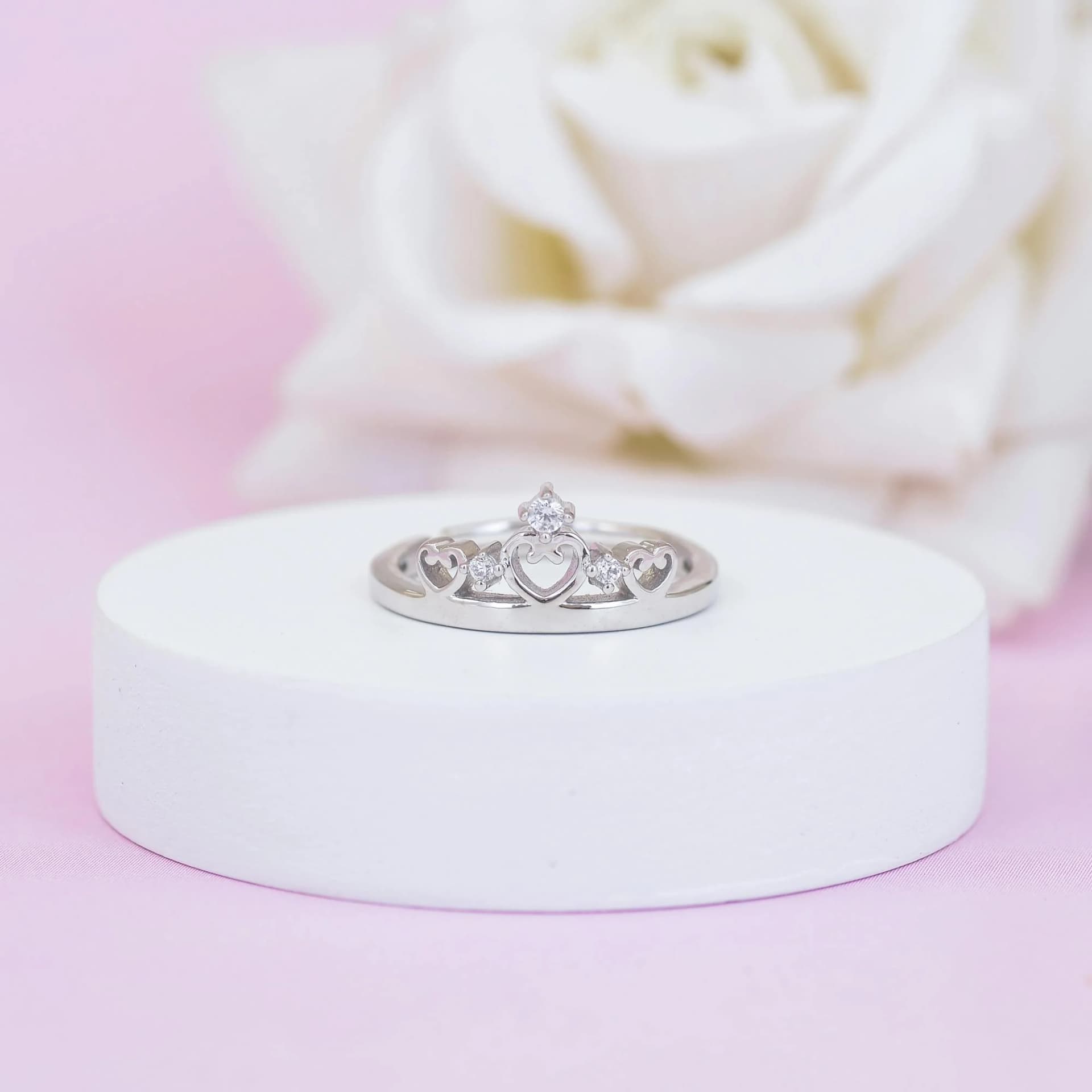
In recent years, lab-grown diamonds have been making waves in the jewelry world.
Switching to lab-grown diamonds saves 60-80% over mined stones for identical Mohs 10 hardness and IGI/GIA grading, with roughly 80% less land use per carat. The trade-off is slightly weaker resale value. A 1.50ct G/VS1 lab-grown round in 14k white gold runs $2,000-$3,500 versus $9,000+ mined. Pick lab-grown if size and value matter most.
With their ethical appeal, lower price tag, and growing popularity, many people are wondering whether they should make the switch.
However, like any big decision, there are pros and cons to consider.
In this guide, we’ll dive into everything you need to know about lab-grown diamonds so you can decide if they’re the right choice for you.
What Are Lab-Grown Diamonds?
Lab-grown diamonds are created in a controlled environment using advanced technology.
These diamonds are produced through methods like Chemical Vapor Deposition (CVD) or High-Pressure High-Temperature (HPHT), which replicate the natural conditions under which diamonds are formed in the earth.
The result? A diamond that is chemically, physically, and optically identical to a natural diamond.
The key difference lies in their origin.
Natural diamonds are mined from the earth, whereas lab-grown diamonds are crafted in laboratories.
This distinction influences their cost, environmental impact, and more.
For a closer look at options, you can explore lab-grown diamonds and find your perfect match.
Pros of Lab-Grown Diamonds
Cost-Effectiveness
One of the biggest advantages of lab-grown diamonds is their affordability.
Lab-created stones are typically 30-50% cheaper than natural diamonds of the same size and quality.
If you’re shopping on a budget but don’t want to compromise on brilliance and beauty, lab-grown diamonds are an excellent choice.
For a range of shapes and styles, check out round lab-grown diamonds or cushion-cut options.
Ethical and Conflict-Free
Lab-grown diamonds offer peace of mind for ethical consumers.
Traditional diamond mining can sometimes be linked to human rights abuses and environmental devastation.
By choosing a lab-grown diamond, you’re avoiding any connection to conflict or "blood diamonds."
If you’re interested in ethically sourced vibrant options, you can explore fancy-colored lab-grown diamonds that make a statement.
Environmental Sustainability
Compared to mining, creating diamonds in a lab has a much smaller environmental footprint.
It eliminates land disruption and reduces greenhouse gas emissions.
While lab-grown diamonds do require energy, many manufacturers are working towards renewable sources, making this option even greener.
Identical in Appearance and Quality
Lab-grown diamonds are virtually indistinguishable from natural ones.
They’re graded using the same standards as mined diamonds, meaning they deliver the same sparkle, clarity, and beauty.
Unless you’re a gemologist with special equipment, you won’t be able to tell the difference.
Explore different cuts like pear-shaped lab-grown diamonds or radiant options to find your ideal style.
Customization Options
Since lab-grown diamonds are created in a controlled setting, they offer more room for customization.
You can easily find unique shapes, vibrant colors, and sizes tailored to your preferences.
This makes them perfect for one-of-a-kind jewelry pieces.
If you’re looking for something specific, browse princess-cut lab-grown diamonds or the timeless emerald-cut diamonds.
Cons of Lab-Grown Diamonds
Resale and Investment Value
One drawback of lab-grown diamonds is their lower resale value.
Unlike natural diamonds, which can retain or even increase in value over time, lab-grown diamonds are seen as less of an investment.
If you’re looking for a family heirloom or a long-term asset, this is something to keep in mind.
Emotional and Symbolic Value
Natural diamonds carry a certain romantic and symbolic charm.
The idea of a stone formed over billions of years resonates with some people on an emotional level.
Lab-grown diamonds, despite their beauty, might lack that timeless allure for certain buyers.
Perceived Artificiality
There’s still a stigma surrounding lab-grown diamonds for some individuals.
They may be viewed as less authentic or "artificial," which could impact their appeal when given as a gift or engagement ring.
Energy Consumption in Production
While lab-grown diamonds are more eco-friendly than mining, the process still requires a significant amount of energy.
Not all manufacturers use renewable energy, so it’s worth doing some research if sustainability is a top priority for you.
Who Should Consider Lab-Grown Diamonds?
Lab-grown diamonds are ideal for those who value affordability, ethics, and environmental sustainability.
If you’re looking for a high-quality diamond at a lower price, want to avoid any ethical concerns, or prefer a stone with a modern appeal, lab-grown diamonds are a fantastic option.
On the other hand, if resale value or the historical significance of a natural diamond is important to you, sticking with a mined diamond might be the better choice.
FAQs About Lab-Grown Diamonds
Are lab-grown diamonds real diamonds?
Yes, lab-grown diamonds are real diamonds.
They have the same chemical, physical, and optical properties as natural diamonds.
How long do lab-grown diamonds last?
Lab-grown diamonds are just as durable as natural diamonds.
With proper care, they can last a lifetime and beyond.
Can you tell the difference between lab-grown and natural diamonds?
No, even experts need specialized equipment to distinguish between lab-grown and natural diamonds.
They look identical to the naked eye.
Are lab-grown diamonds worth it?
For many buyers, lab-grown diamonds are worth it due to their affordability, ethical appeal, and quality.
However, it depends on your priorities.
Are lab-grown diamonds eco-friendly?
Lab-grown diamonds are generally more eco-friendly than mined diamonds, though the energy used in production can vary.
Look for manufacturers that use renewable energy for the most sustainable option.