In today's world, more and more consumers are prioritizing ethical considerations in their purchasing decisions, especially when it comes to jewelry. As awareness grows around the environmental and social impacts of traditional diamond mining, lab-grown diamonds have emerged as a leading choice for those seeking beautiful, conflict-free options. These innovative gems are changing the landscape of the diamond industry and providing ethical jewelry buyers with a alternative that aligns with their values.
Ethical jewelry buyers benefit from lab-grown diamonds in three ways: no mining-community labor risk, roughly 80% less land use per carat, and IGI- or GIA-graded Mohs 10 quality at 60-80% lower cost than mined. A 1.50ct G/VS1 lab-grown round in 14k recycled white gold runs $2,000-$3,500 versus $9,000+ mined, with 4-6 week New York delivery.
What Are Lab-Grown Diamonds?
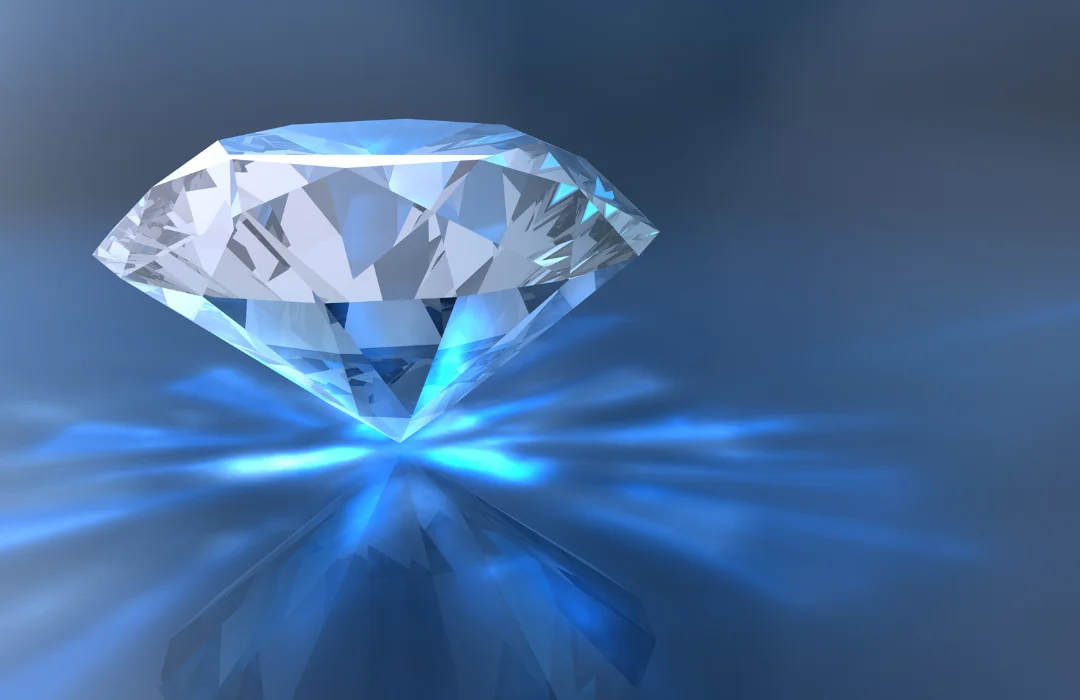
Lab-grown diamonds are genuine diamonds created in a laboratory under controlled conditions. They are produced using advanced technology that replicates the natural processes under which diamonds form deep within the Earth. Unlike imitations or synthetic stones, lab-grown diamonds are chemically, physically, and optically identical to their mined counterparts.
There are two primary methods used to create lab-grown diamonds: High Pressure, High Temperature (HPHT) and Chemical Vapor Deposition (CVD). Both processes produce diamonds that exhibit the same brilliance and durability as mined diamonds, ensuring that consumers can enjoy the same luxurious experience without the associated ethical concerns.
For those looking to explore more options, check out lab-grown diamonds in the UK for a range of high-quality choices.
Ethical Sourcing: A Conflict-Free Alternative
One of the most significant advantages of lab-grown diamonds is their ethical sourcing. The traditional diamond industry has been plagued by issues related to conflict diamonds—stones that are mined in war zones and sold to finance violence and human rights abuses. Also, mining can often involve exploitative labor practices and devastating environmental impacts.
Lab-grown diamonds provide a conflict-free alternative, ensuring that no harm comes to people or communities during their production. This level of transparency is crucial for consumers who are concerned about the ethical implications of their purchases. When you choose a lab-grown diamond, you can feel confident knowing that your gem is sourced responsibly and ethically. For ethically-minded buyers, check out conflict-free fancy colored diamonds for a meaningful choice.
Environmental Sustainability: A Greener Choice
Environmental considerations are becoming increasingly important to consumers, and lab-grown diamonds shine in this regard. Traditional diamond mining is notoriously damaging to the environment, leading to deforestation, soil erosion, and habitat destruction. The process of extracting natural diamonds requires significant amounts of water and energy, contributing to ecological degradation.
In contrast, lab-grown diamonds are produced in a controlled environment that significantly reduces their environmental footprint. They use fewer natural resources and generate less waste, making them a much more sustainable option for eco-conscious jewelry buyers. By choosing a lab-grown diamond, you're making a choice that benefits not only yourself but also the planet.
Affordability Without Compromising Quality
Lab-grown diamonds are often 30-40% less expensive than natural diamonds of the same size and quality. This cost-effectiveness allows consumers to purchase larger or higher-quality stones without exceeding their budget.
It's important to note that the affordability of lab-grown diamonds does not equate to lower quality. These diamonds are graded according to the same standards as natural diamonds, ensuring that you receive a product that meets the highest quality criteria. With lab-grown diamonds, you can enjoy all the beauty and brilliance of a diamond while staying within your budget. If you're looking for a larger diamond without compromising on quality, check out cushion-cut lab-grown diamonds for an elegant and affordable choice.
Variety and Customization Options
Lab-grown diamonds come in a diverse range of shapes, sizes, and colors, allowing consumers to find the perfect gem for their jewelry needs. Whether you prefer classic cuts like round and princess or more unique shapes like oval and pear, lab-grown diamonds offer endless possibilities for customization.
Many jewelers are now providing bespoke design services, allowing you to create a unique piece that reflects your personal style. This flexibility means that lab-grown diamonds can be tailored to suit any taste, whether you’re looking for an engagement ring, a special gift, or a piece to add to your collection. For a selection of shapes, check out our range of round lab-grown diamonds.
Consumer Trends: The Shift Towards Lab-Grown Diamonds
Changing consumer attitudes are driving the demand for lab-grown diamonds. Younger generations, in particular, are prioritizing sustainability, ethical sourcing, and transparency in their purchasing decisions. Lab-grown diamonds fit perfectly into this new paradigm, offering a product that is not only beautiful but also responsibly sourced.
This shift is especially evident in the engagement ring market, where lab-grown diamonds are becoming the preferred choice for many couples. As more consumers seek to express their love and commitment while making ethical choices, lab-grown diamonds tick all the boxes, providing a conflict-free, eco-friendly option that doesn’t compromise on luxury or quality.
Lab-Grown Diamonds vs. Natural Diamonds: Key Differences
While lab-grown diamonds and natural diamonds share the same physical and chemical properties, there are a few key differences to consider.
- Origin: Lab-grown diamonds are created in laboratories, while natural diamonds are formed over millions of years deep within the Earth.
- Ethics: Lab-grown diamonds are conflict-free and produced under ethical conditions, whereas natural diamonds may carry ethical concerns related to mining practices.
- Environmental Impact: Lab-grown diamonds have a much smaller environmental footprint compared to traditional diamond mining.
- Cost: Lab-grown diamonds are more affordable, typically costing significantly less than natural diamonds of the same quality.
For many consumers, these differences make lab-grown diamonds the clear choice. They offer all the beauty, durability, and sparkle of natural diamonds, but with added ethical and environmental benefits. If you're interested in unique cuts, check out pear-shaped lab-grown diamonds for a distinctive option.
The Future of Lab-Grown Diamonds in Ethical Jewelry
As consumer demand for ethical and sustainable products continues to grow, lab-grown diamonds are poised to become a mainstream option in the jewelry industry. Advances in technology will likely enhance the quality and accessibility of lab-grown diamonds, making them an even more attractive choice for consumers.
Lab-grown diamonds represent a new era in the diamond industry, where luxury and responsibility go hand in hand. By choosing lab-grown diamonds, you’re not just buying a beautiful piece of jewelry; you’re making a statement about your values and commitment to ethical consumerism.
FAQs
What are the main benefits of choosing lab-grown over mined?
Three main benefits: ethical sourcing (lab-grown diamonds are conflict-free by definition with fully traceable supply chains), better value (60–70% lower price for the same carat, color, and clarity grades), and environmental footprint (no mining, no land disruption, often produced on renewable electricity). All while delivering a diamond that's chemically and optically identical to mined.
Are lab-grown diamonds suitable for fine jewelry?
Yes — lab-grown stones are now used in fine jewelry across every category: engagement rings, eternity bands, tennis bracelets, pendants, and earrings. Major and independent jewelers stock them, set them, and warranty them the same way they do mined diamonds. The quality range is identical: you can buy a D-IF flawless lab-grown just as readily as you can mined.
Will choosing lab-grown reduce demand for mined diamonds?
It's already shifting market share — lab-grown now accounts for roughly half of new engagement-ring sales in the US and a growing share of fine jewelry overall. The shift is consumer-led: as buyers learn that lab-grown is chemically identical and significantly cheaper, the case for paying the mined premium narrows. Mined diamond producers have responded by investing more heavily in provenance storytelling and luxury positioning.
Do lab-grown diamonds come with the same warranties as mined?
Yes. Reputable jewelers including Reve Diamonds offer the same lifetime warranties, free resizing, and free cleaning on lab-grown jewelry as on mined diamond pieces. Independent jewelry insurers (Jewelers Mutual, BriteCo) cover lab-grown on the same terms. The aftercare experience is identical to buying mined.