
How to Choose the Best Lab-Grown Diamonds for Your Jewelry
A US buyer’s guide to choosing the best Lab-Grown Diamonds — how the 4Cs apply, why certification matters, and how to match quality to the piece and...
September 27, 2024 · 1 min read
Read→Expert insights on diamonds, jewelry trends, and styling advice from our team.
529 articles
A US buyer’s guide to choosing the best Lab-Grown Diamonds — how the 4Cs apply, why certification matters, and how to match quality to the piece and...

No — certified Lab-Grown Diamonds do not change color over time. Learn why they stay stable, what really causes apparent color shifts, and how to keep...
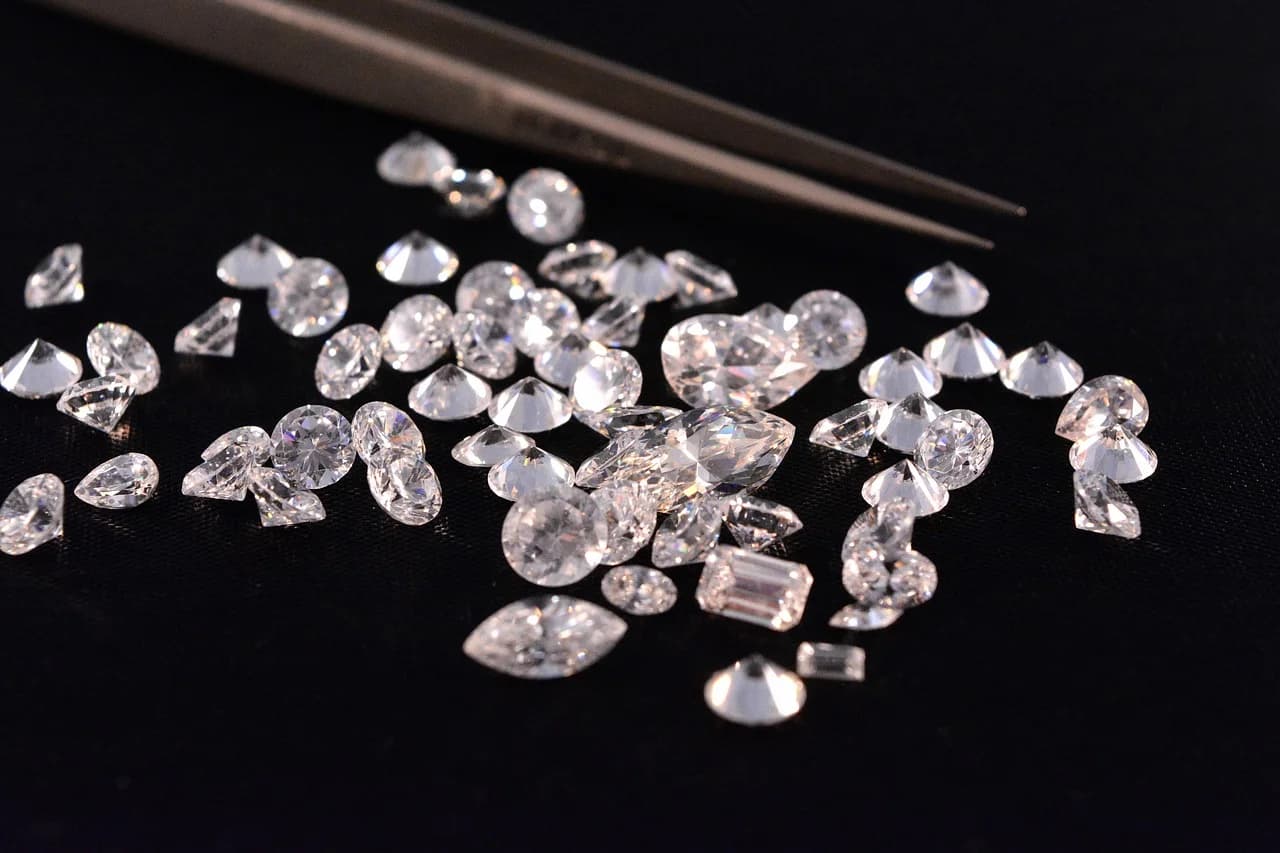
Yes — Lab-Grown Diamonds are real Diamonds. What makes them chemically identical to mined stones, what actually differs, and how certification proves...

Discover lab grown diamond solitaire rings that are timeless, ethical, and sustainable. Learn the 4Cs, settings, and US prices with Rêve Diamonds.
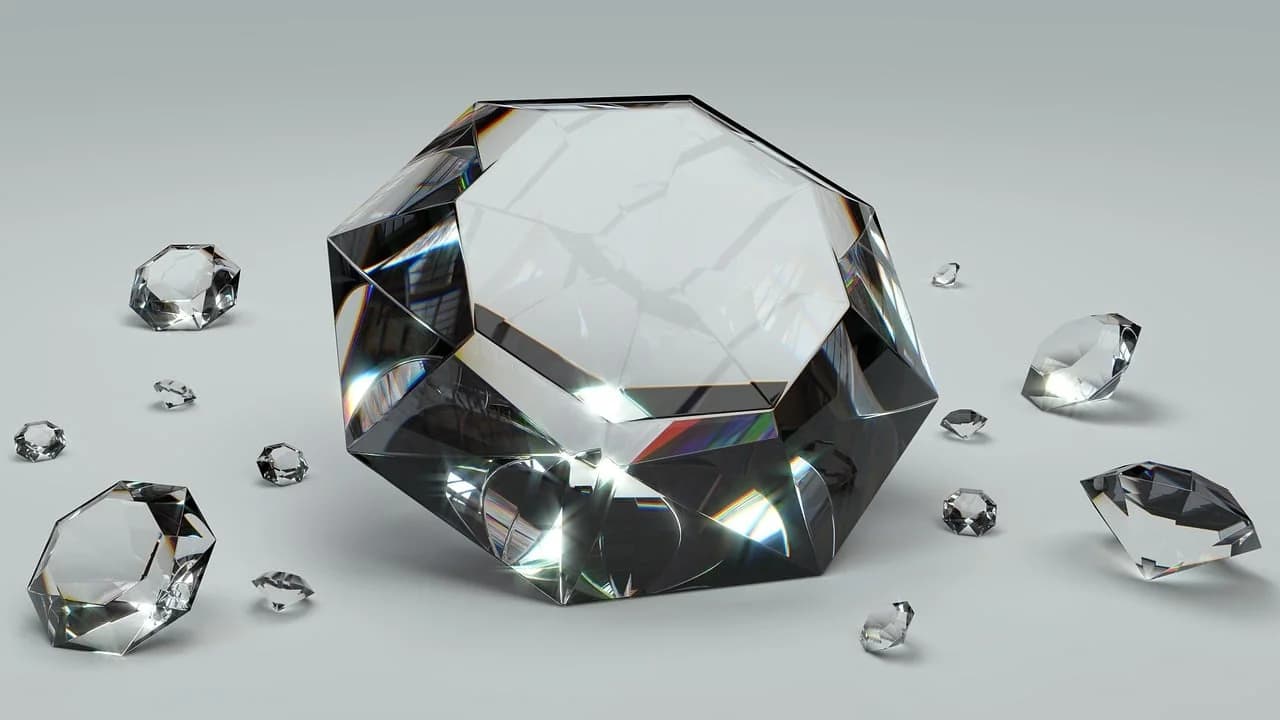
Discover the benefits of lab-grown diamonds: identical to mined stones, up to 80% cheaper, ethically sourced, and certified by GIA or IGI.

What lab-grown diamond certification is, who issues it (GIA and IGI), what the report shows and how to verify it. From Rêve Diamonds.
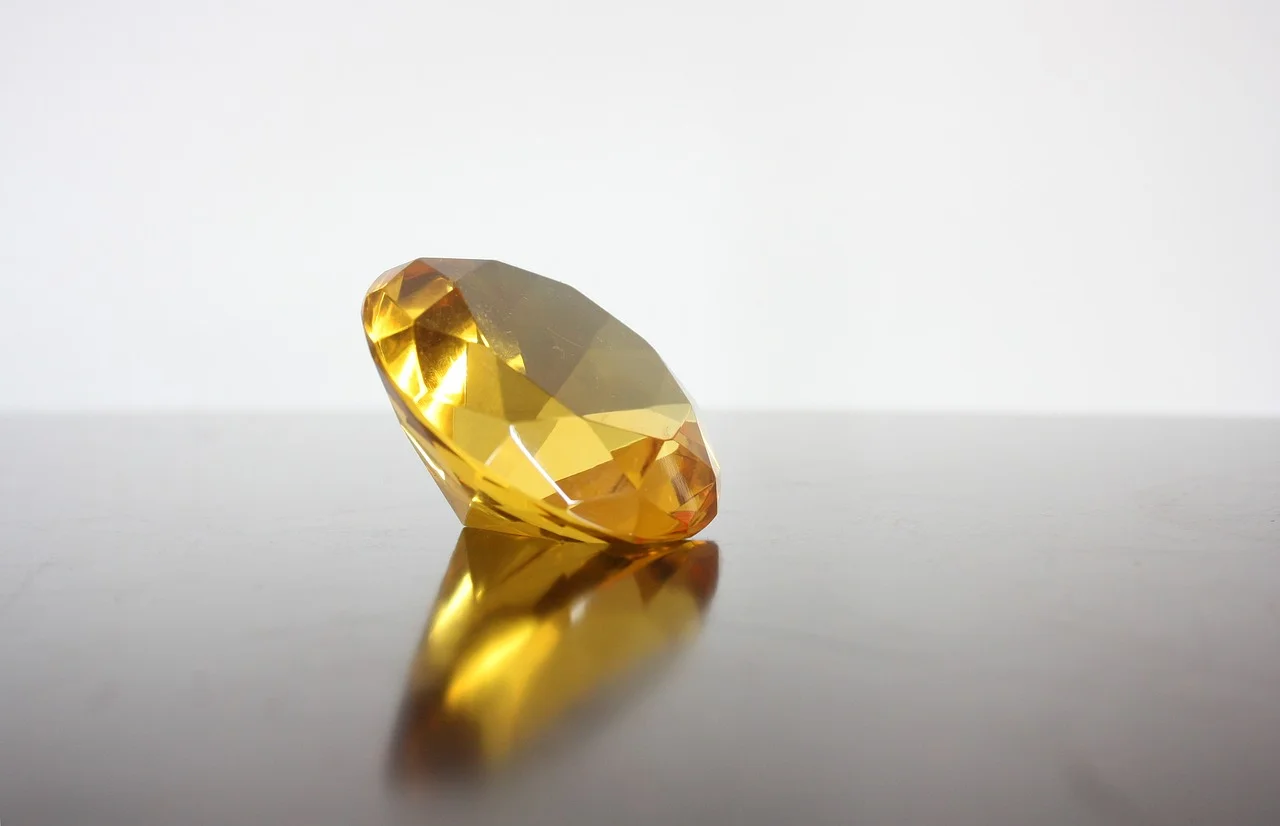
A comprehensive US guide to telling if a Diamond is Lab-Grown — why you can’t see the difference, what the certificate and laser inscription reveal...
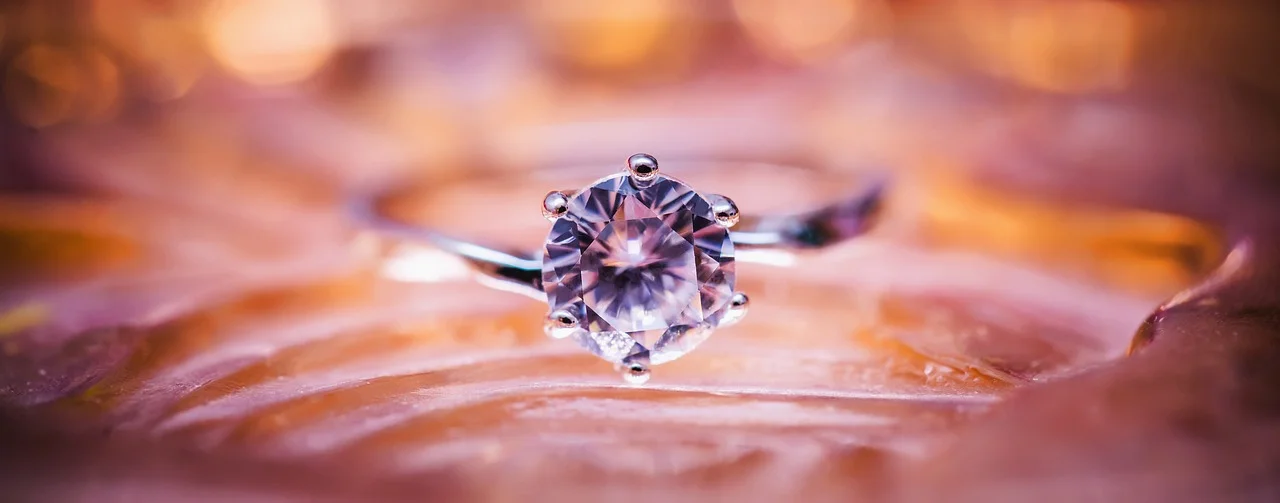
Yes, Lab-Grown Diamonds have inclusions formed during crystal growth, graded on the standard clarity scale. Learn the common inclusion types and how to...
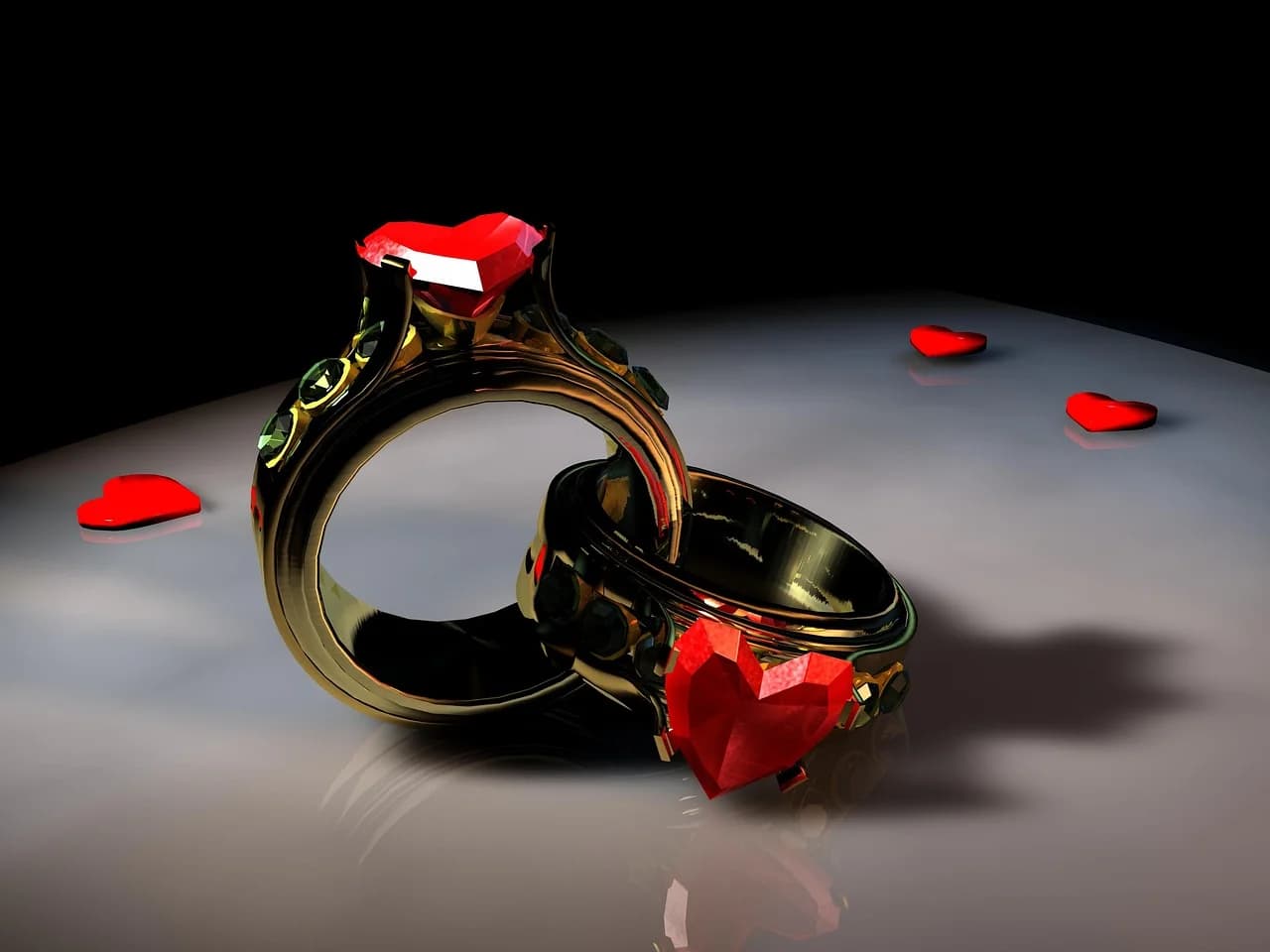
Why Lab Grown Diamonds are a beautiful, affordable, and sustainable choice for anniversary Rings — plus tips on styles, savings, and how to buy with...

How large Lab-Grown Diamonds can grow — from 150+ Carat rough to 20–30+ Carat polished stones — plus the best Carat sizes for Jewelry and how to buy...
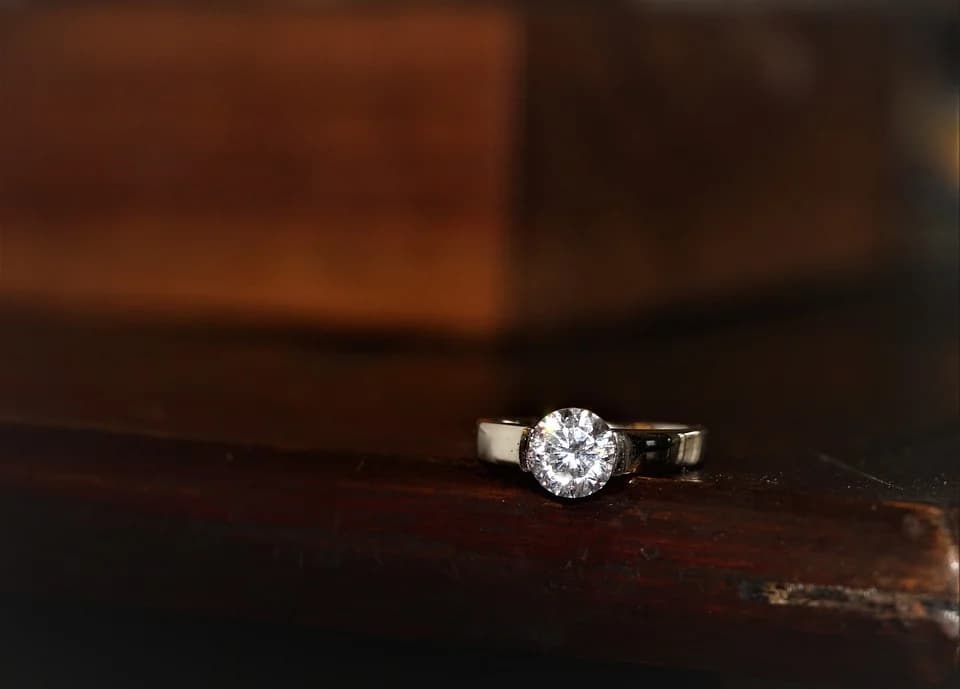
A complete guide to caring for Lab-Grown Diamonds: how to clean, store, and maintain your stone at home and with a jeweler so it keeps its sparkle for...
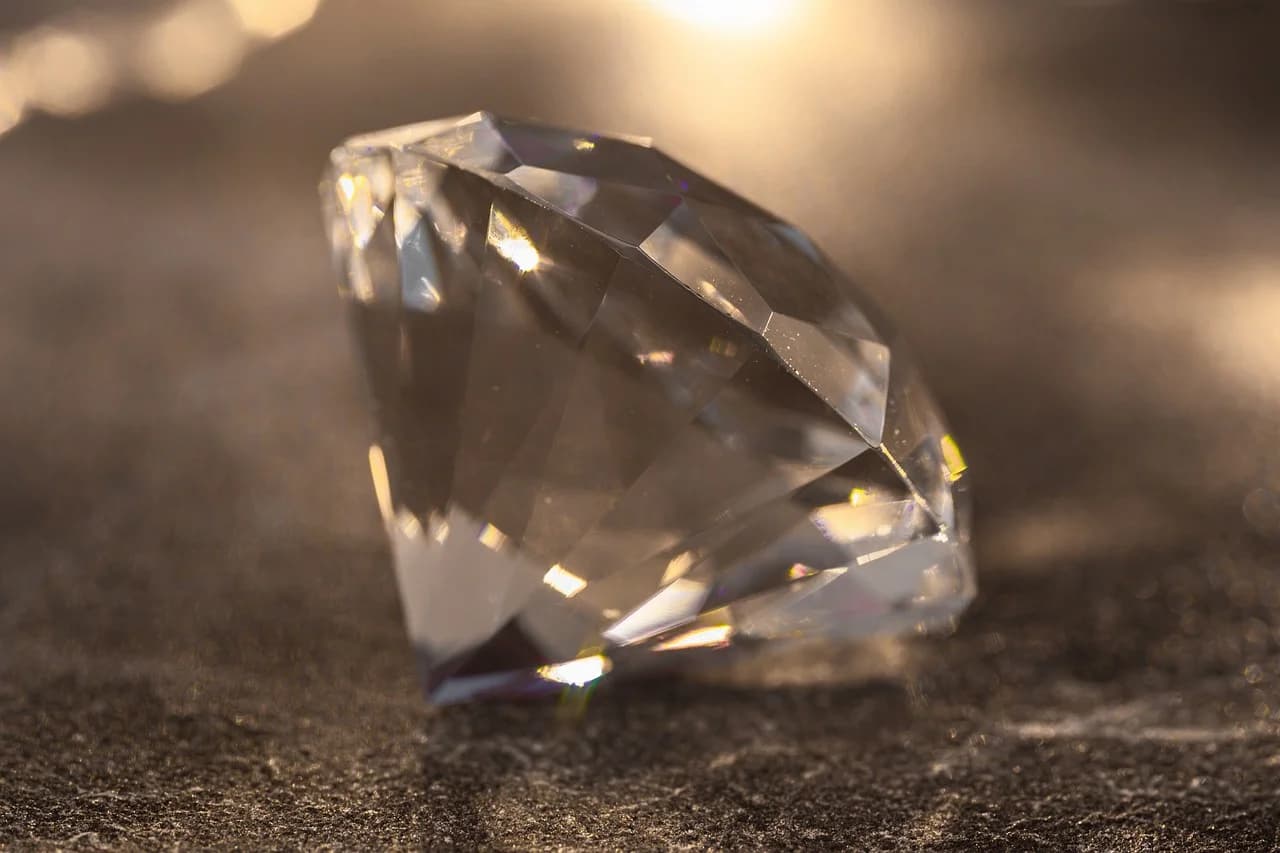
Lab-grown and natural diamonds are both pure crystallized carbon. Learn why they are chemically identical, how they are made, and why they cost less.
