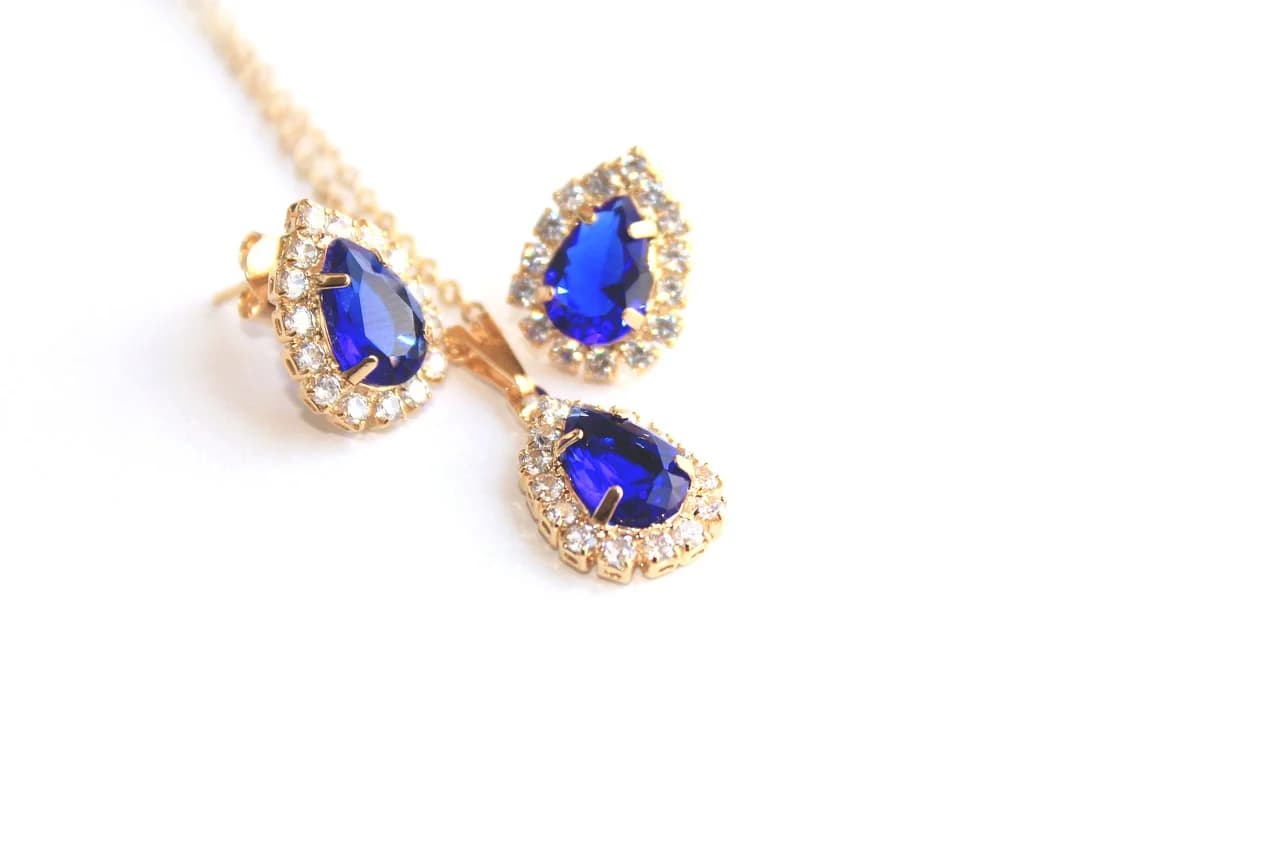
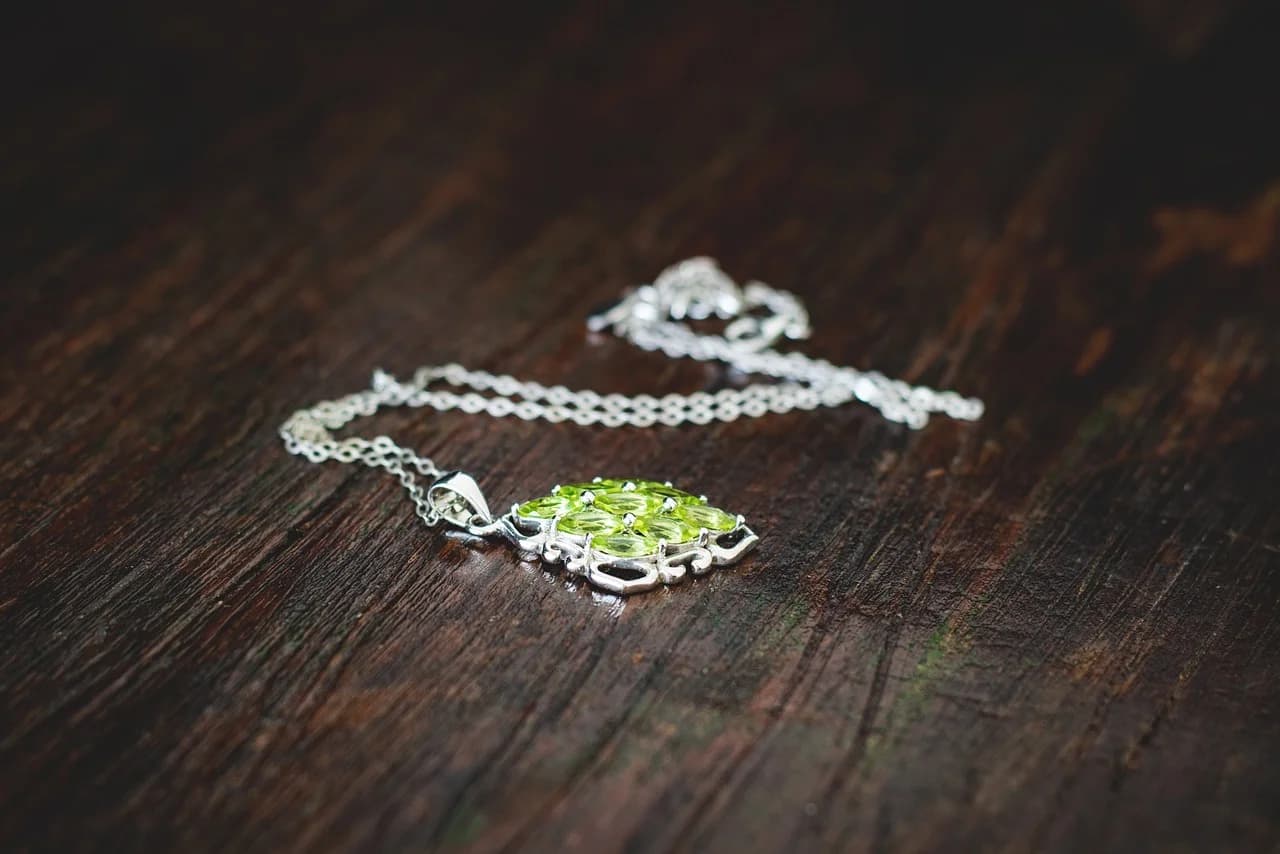
Sapphire is September's birthstone — and one of the oldest, most storied gemstones in human history. Worn by royalty for centuries and second only to diamond in hardness among gemstones used in fine jewelry, sapphire has earned its place in engagement rings, eternity bands, and heirloom pieces. This guide covers what sapphire is, how to evaluate one, and what makes a sapphire genuinely worth wearing for a lifetime.
Sapphire is the September birthstone — corundum colored by trace iron and titanium (blue) or other elements (pink, yellow, padparadscha), at Mohs 9 hardness, second only to diamond. Top Kashmir 1.00ct+ stones exceed $50,000 per carat; Ceylon and Madagascar $1,000-$8,000. Sapphire also marks the 5th and 45th wedding anniversaries and symbolizes wisdom, royalty, and fidelity.
What is sapphire
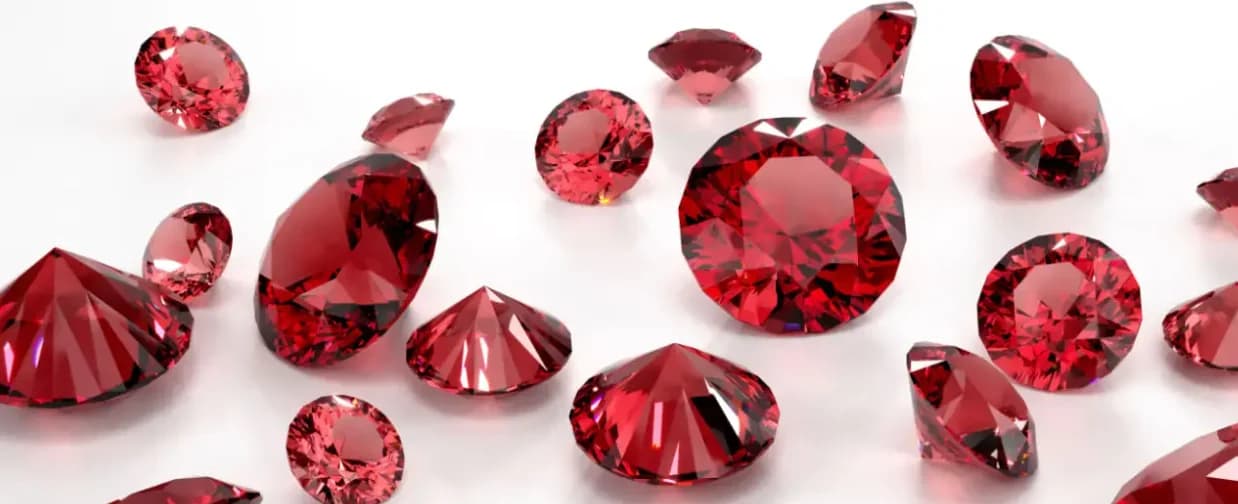
Sapphire and ruby are both varieties of the mineral corundum (crystallised aluminium oxide). Pure corundum is colourless. Trace elements determine the color: chromium produces ruby (red corundum), iron and titanium produce the classic blue sapphire, and other trace elements produce pink, yellow, green, orange, purple, and even color-changing sapphires. By gemological convention, only red corundum is called ruby; every other color is sapphire.
Hardness and durability
Sapphire scores 9 on the Mohs hardness scale — second only to diamond and significantly harder than every other commonly-set gemstone. This is why sapphire works exceptionally well in engagement rings and daily-wear jewelry: only diamond can scratch it, and it resists chipping in normal wear. Princess Diana's famous sapphire engagement ring (now worn by the Princess of Wales) has held up to four decades of regular wear precisely because of corundum's durability.
The classic blue — and why it varies
Royal blue sapphire from Burma (now Myanmar) is the historical benchmark for sapphire color: deep, velvety, slightly violet-tinged blue with no zoning or dullness. Kashmir sapphire, mined briefly in the late 19th century, is the rarest and most valuable — a cornflower blue with a soft, almost sleepy lustre. Modern fine sapphires come from Sri Lanka (often slightly lighter and more crystalline), Madagascar (a range from royal blue to lighter shades), and Australia (often darker and more inky). Origin affects price significantly — a Burmese or Kashmir-origin sapphire of equivalent quality commands a substantial premium over Madagascar or Sri Lankan stones.
Colours beyond blue
Fancy-color sapphires have grown in popularity for engagement rings and statement pieces. Padparadscha (a pinkish-orange sapphire named after lotus flowers) is among the rarest and most coveted, with top-quality stones from Sri Lanka commanding diamond-rivalling prices per carat. Yellow sapphires offer a vivid alternative to yellow diamonds at a fraction of the price. Pink sapphires range from delicate baby pink to vivid magenta. Color-change sapphires shift from blue under daylight to purple under incandescent light — a striking optical phenomenon.
Treatment and certification
Most sapphires on the market today have been heat-treated to improve color and clarity — this is an industry-standard process that has been used for over 2,000 years. Heat treatment is stable, permanent, and disclosed on every reputable lab report. Untreated sapphires are rare and command a significant premium; a Burmese unheated sapphire of fine color can cost 3–5 times its heated equivalent. Always insist on independent certification (GIA, GRS, AGL) that specifies treatment status before any significant sapphire purchase.
Frequently Asked Questions
How much should I spend on a sapphire engagement ring?
A high-quality 1-carat blue sapphire in a precious-metal setting starts around $800–$1,500 for Madagascar or Sri Lankan origin with standard heat treatment. Burmese or Kashmir origin doubles or triples that price. Unheated stones command another significant premium. For comparison, a 1-carat round brilliant diamond engagement ring in similar quality starts around $2,500–$4,000 mined or $1,500 lab-grown. Sapphire often delivers more visual impact per pound spent than a comparable diamond.
Is sapphire suitable for daily wear?
Yes — exceptionally so. With Mohs hardness of 9, sapphire is the second-hardest gemstone used in fine jewelry. It resists scratching, chipping, and the daily impacts that would damage softer stones like opal or emerald. A well-set sapphire engagement ring will look the same decades from now with only routine cleaning. The Princess of Wales's 12-carat Ceylon sapphire engagement ring has been worn continuously since 1981.
Are lab-grown sapphires available?
Yes. Lab-grown sapphires are chemically and optically identical to mined sapphires and are produced by the flame-fusion (Verneuil) or hydrothermal methods. They cost a fraction of natural sapphires of the same color and clarity. The main differences are origin disclosure (always state lab-grown explicitly), absence of the rare inclusions that authenticate origin in natural stones, and a smaller resale market. For an everyday-beautiful sapphire at lower cost, lab-grown is excellent.
What is the most valuable sapphire color?
In order: Kashmir blue (essentially museum-only at this point), Burmese royal blue, Padparadscha pink-orange, and Burmese pigeon-blood red (which is technically ruby). Within blue sapphires, the "cornflower blue" and "royal blue" with strong saturation and low extinction (no dead-looking dark areas) are most prized. Origin affects price as much as color quality — two stones of identical color can differ in price by a factor of 3-5x based on origin certification.
How do I care for a sapphire?
Sapphires are robust enough for ultrasonic cleaning and steam cleaning (unlike opal or emerald). Routine warm water and mild soap with a soft brush keeps sapphire bright. Annual professional inspection of the setting (to check prongs for wear) is recommended for ring-mounted sapphires. Store sapphire pieces separately from softer stones so the sapphire does not scratch them.
Sapphire jewelry at Reve
Reve Diamonds creates bespoke sapphire engagement rings, eternity bands, and pendants in our New York showroom. Browse our engagement rings for sapphire-set designs, or visit us to source a specific origin or color for a custom commission.