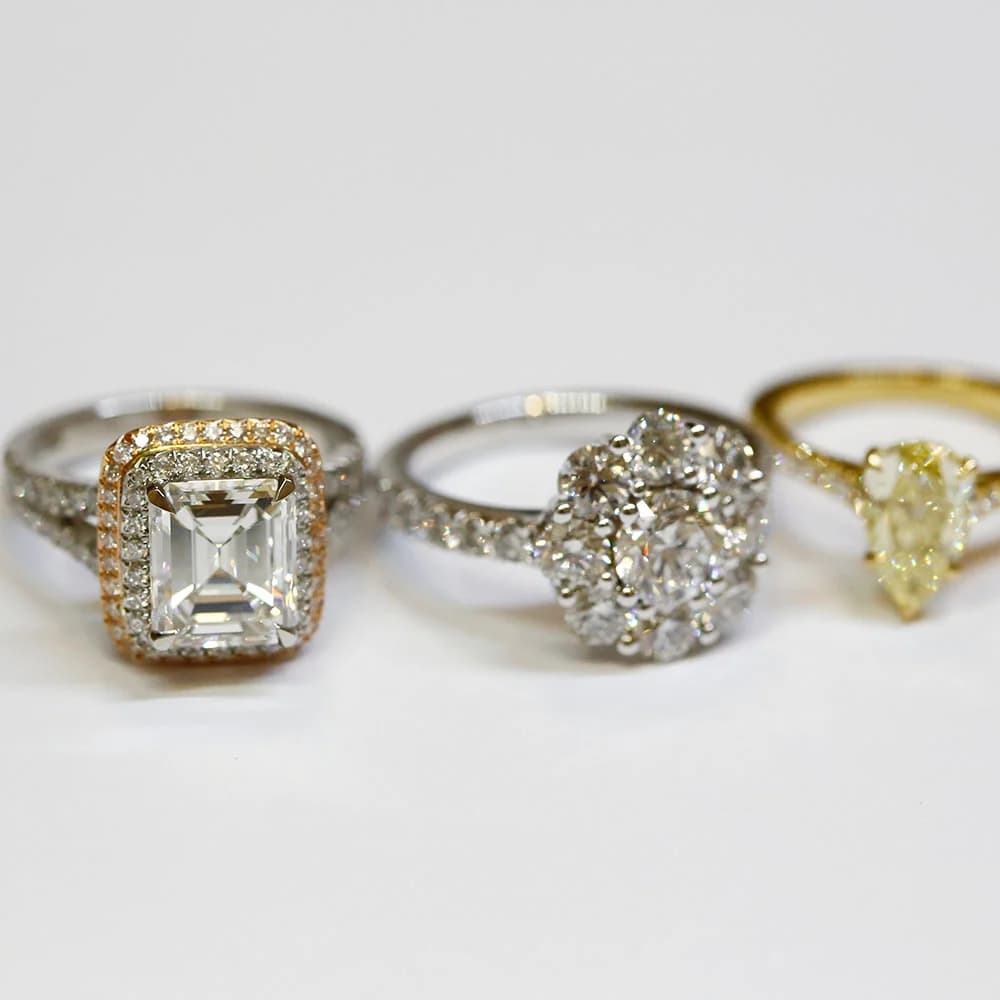
When it comes to choosing the perfect metal for your jewellery, understanding the differences between gold variants and platinum is essential. These metals offer unique characteristics that cater to different preferences, styles, and budgets. By exploring their distinct properties, you can make an informed decision that aligns with your personal taste and the longevity you desire for your precious pieces.
Platinum is 95% pure, denser, hypoallergenic and naturally white — no replating needed. 18kt gold is 75% gold (yellow, white or rose depending on alloy); 14kt is 58.5% gold and harder-wearing for active hands. Platinum costs roughly 40-60% more than 18kt gold for the equivalent band — typically £900-£1,400 versus £550-£900 in UK 2025 pricing. White gold needs rhodium replating every 12-18 months.
Gold Variants: Yellow Gold, White Gold, and Rose Gold
Gold has been cherished for centuries, symbolising wealth, power, and beauty. In its purest form, gold is too soft for jewellery, which is why it's alloyed with other metals to enhance its strength and durability. The different gold variants—yellow gold, white gold, and rose gold—are created by mixing gold with various metals, which also influences their colour and properties.
- Yellow Gold: Known for its warm, classic hue, yellow gold is the purest form of gold used in jewellery. Its colour is closest to that of pure gold, and it’s often alloyed with copper and zinc to increase its strength. Yellow gold is particularly popular for traditional and vintage-style jewellery. It’s also less likely to cause allergic reactions since it typically contains fewer alloyed metals compared to other variants.
- White Gold: White gold offers a sleek, modern alternative to traditional yellow gold. It is made by alloying gold with white metals such as palladium or nickel, which gives it a lustrous, silvery-white appearance. To enhance its shine and protect the metal, white gold is often plated with rhodium, a rare and durable metal. However, over time, the rhodium plating may wear off, necessitating re-plating to maintain its appearance.
- Rose Gold: Rose gold has gained popularity for its romantic, pinkish hue. This variant is created by alloying gold with copper, which gives it a distinctive warm, rosy tint. The higher the copper content, the more pronounced the colour. Rose gold is durable and complements a variety of skin tones, making it a versatile choice for engagement rings and other fine jewellery.
Platinum: A Premium Choice
Platinum is often considered the most prestigious metal for jewellery, valued for its rarity, durability, and natural white sheen. Unlike gold, which is alloyed with other metals, platinum is typically used in a nearly pure form, usually around 95% platinum. This high purity level contributes to its hypoallergenic properties, making it an excellent choice for individuals with sensitive skin.
Platinum's density and weight give it a luxurious feel, and its resistance to tarnish and corrosion ensures that it maintains its appearance over time. Although platinum can scratch, these scratches do not diminish the metal's volume, and they can develop into a desirable patina that many find appealing. Platinum’s durability makes it a preferred choice for settings that secure precious stones, providing long-lasting security.
Comparing Durability and Maintenance
When comparing the durability of gold and platinum, both metals have their strengths. Platinum is more robust and resistant to wear and tear, making it ideal for daily wear and engagement rings. Its density also means that it holds gemstones securely, reducing the risk of loss.
Gold, while softer than platinum, can still be durable when alloyed with stronger metals. However, it may require more frequent maintenance, especially in the case of white gold, which needs re-plating to retain its appearance. Yellow and rose gold are less prone to noticeable wear, but they may still require polishing to maintain their shine.
Price Considerations
Platinum is generally more expensive than gold due to its rarity and higher density. This higher cost is also reflected in the labour required to work with platinum, as its density makes it more challenging to shape and polish. However, many consider the investment worthwhile for the metal's durability and prestige.
Gold's price varies depending on the karat and type of alloy used. Higher karat gold, which contains more pure gold, is more expensive. The choice between gold and platinum often comes down to personal preference, budget, and the specific requirements of the jewellery piece.
Frequently Asked Questions
What is the main difference between white gold and platinum?
The primary difference lies in the composition and durability of the metals. White gold is an alloy of gold and white metals such as palladium or nickel and is usually rhodium-plated for added shine. Platinum, on the other hand, is a naturally white metal that is denser, more durable, and often used in its pure form. This makes platinum more resistant to wear and tarnish over time.
Does platinum scratch more easily than gold?
While platinum does scratch, these scratches do not reduce the metal's volume. Instead, they create a patina that can enhance the jewellery's appearance. Gold, depending on its alloy, may scratch more easily, especially in higher karat forms. White gold may also require re-plating to maintain its finish, which is not a concern with platinum.
Is rose gold more durable than yellow or white gold?
Rose gold is generally more durable than yellow and white gold due to the higher copper content in its alloy. Copper is a sturdy metal that adds strength to rose gold, making it less prone to scratches and dents. However, all gold variants are durable when alloyed correctly, with the choice often coming down to aesthetic preference.
Why is platinum more expensive than gold?
Platinum's higher cost is due to its rarity, density, and the complexity of working with the metal. Platinum is heavier and requires more labour to craft into fine jewellery, which contributes to its premium price. Also, platinum is usually used in a purer form than gold, further increasing its value.
How do I choose between gold and platinum for an engagement ring?
Choosing between gold and platinum depends on your priorities, such as budget, style preference, and maintenance considerations. Platinum is ideal for those seeking durability and a naturally white metal that requires minimal upkeep. Gold offers more variety in colour and price points, with yellow, white, and rose gold each providing a unique aesthetic. Consider your lifestyle and how often you plan to wear the ring when making your decision.