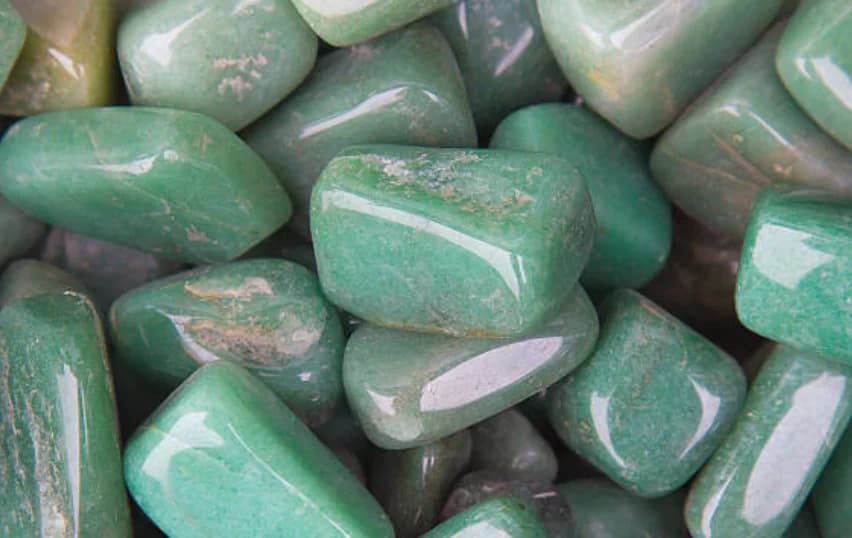
Jadeite is a pyroxene mineral with the chemical composition NaAlSi₂O₆. It's renowned for its vibrant colour spectrum, ranging from emerald greens to lavenders, pinks, and even blues. This variety in hue is due to trace elements like chromium and iron. Jadeite's hardness on the Mohs scale is about 6.5 to 7, making it relatively hard and suitable for detailed carvings and jewellery.
Jadeite (Mohs 7) is the harder, rarer and more valuable of the two jades, with vivid Imperial green Burmese jadeite reaching £30,000-£100,000+ per carat above 2.00ct. Nephrite (Mohs 6-6.5) is more common and historically Chinese-prized, typically £40-£300 per carat. Both are tough (resistant to breakage despite middling hardness). UK 2025 buyers favour jadeite for fine jewellery; nephrite suits carving and beads.
jadeite is rarer than nephrite and is considered more valuable, especially the intense green variety known as "Imperial Jade." Significant deposits are found in Myanmar (Burma), Guatemala, and Japan.
Exploring Nephrite
Nephrite, on the other hand, is an amphibole mineral composed mainly of calcium, magnesium, and iron silicate (Ca₂(Mg,Fe)₅Si₈O₂₂(OH)₂). Its colour palette includes creamy whites, mid to deep olive greens, browns, and blacks.
While it has a slightly lower hardness of 6 to 6.5 on the Mohs scale, nephrite is exceptionally tough due to its fibrous, interwoven crystal structure. This toughness made it a preferred material for tools and weapons in ancient cultures. Major sources of nephrite include China, New Zealand, Canada, and Russia.
Distinguishing Between Jadeite and Nephrite
- Chemical Composition: Jadeite is a sodium aluminium silicate, whereas nephrite is a calcium magnesium iron silicate.
- Colour Range: Jadeite offers a broader spectrum of colours, including the prized emerald green and lavender, while nephrite typically presents in greens, whites, and browns.
- Hardness and Toughness: Jadeite is harder but less tough than nephrite. Nephrite's interlocking fibrous structure grants it superior resistance to breakage.
- Lustre and Texture: Polished jadeite exhibits a vitreous (glassy) lustre, whereas nephrite has an oily or greasy appearance.
- Geographical Sources: Jadeite is primarily sourced from Myanmar, while nephrite is found in regions like Canada and Russia.
- Value: Due to its rarity and vibrant colours, jadeite, especially "Imperial Jade," is generally more valuable than nephrite.
Cultural Significance
Both jadeite and nephrite have held profound cultural importance. In ancient China, nephrite was revered, symbolising purity and moral integrity. Artifacts and ceremonial objects crafted from nephrite date back thousands of years.
Jadeite gained prominence in China during the 18th century, becoming highly sought after for its vivid colours. In Mesoamerican cultures, such as the Olmec and Maya, jadeite was treasured, often associated with life, fertility, and power.
Jade in Modern Jewellery
Today, jade continues to be a popular choice in jewellery design. Its rich history and unique aesthetic appeal make it a favourite among those seeking distinctive pieces.
For instance, jade engagement rings offer a vibrant alternative to traditional diamond rings, appealing to individuals looking for something unique. If you're considering such an option, check out gemstone engagement rings for a variety of exquisite designs.
You might also explore non-traditional engagement rings if you're after something different but equally symbolic.
Identifying Authentic Jade
Determining whether a piece is jadeite or nephrite can be challenging. Here are some tips:
- Visual Inspection: Observe the colour and lustre. Jadeite's glassy appearance contrasts with nephrite's oily sheen.
- Hardness Test: Jadeite can scratch glass, while nephrite might not due to its slightly lower hardness.
- Density Test: Jadeite is denser than nephrite; thus, jadeite pieces will feel heavier than nephrite pieces of the same size.
- Professional Assessment: For definitive identification, consult a certified gemmologist who can perform advanced tests.
To learn more about gemstone origins, check out this guide on how and where gemstones and diamonds are formed.
Caring for Jade Jewellery
- Cleaning: Use lukewarm water and a mild soap. Avoid harsh chemicals and ultrasonic cleaners.
- Storage: Store separately to prevent scratches from harder gemstones.
- Wear: While jade is tough, it's best to avoid wearing jade jewellery during activities that might subject it to hard knocks.
Frequently Asked Questions
Is jadeite more expensive than nephrite?
Yes, jadeite, especially the "Imperial Jade" variety, is generally more valuable due to its rarity and vibrant colours.
Can nephrite be as green as jadeite?
Nephrite can exhibit rich green hues but typically lacks the intense emerald green found in high-quality jadeite.
How do I care for my jade jewellery?
Clean with mild soap and water, store separately to avoid scratches, and avoid exposing it to harsh chemicals or extreme temperatures.
Are there synthetic versions of jade?
Yes, there are synthetic and imitation jades on the market. It's essential to purchase from reputable dealers and request certification when investing in jade pieces.
How do gemstones compare to lab-grown diamonds?
If you're curious about how jade and other gemstones stack up against man-made stones, check out this helpful article on lab-grown diamonds vs gemstones.