Zircon is a gemstone cherished for its remarkable brilliance and diverse color palette.
Genuine natural zircon is a zirconium silicate with Mohs 6-7.5 hardness and extreme double refraction (1.92-1.98 RI) that visibly doubles the back-facet edges through a loupe — its signature giveaway. Avoid confusing it with cubic zirconia (a man-made imitant). Top blue zircons from Cambodia run $50-$400 per carat; colorless zircon shows diamond-like dispersion.
However, distinguishing genuine zircon from synthetic counterparts or imitations like cubic zirconia can be challenging.
This guide aims to help you identify authentic zircon, ensuring you make informed decisions when purchasing or evaluating this exquisite gem.
Understanding Zircon
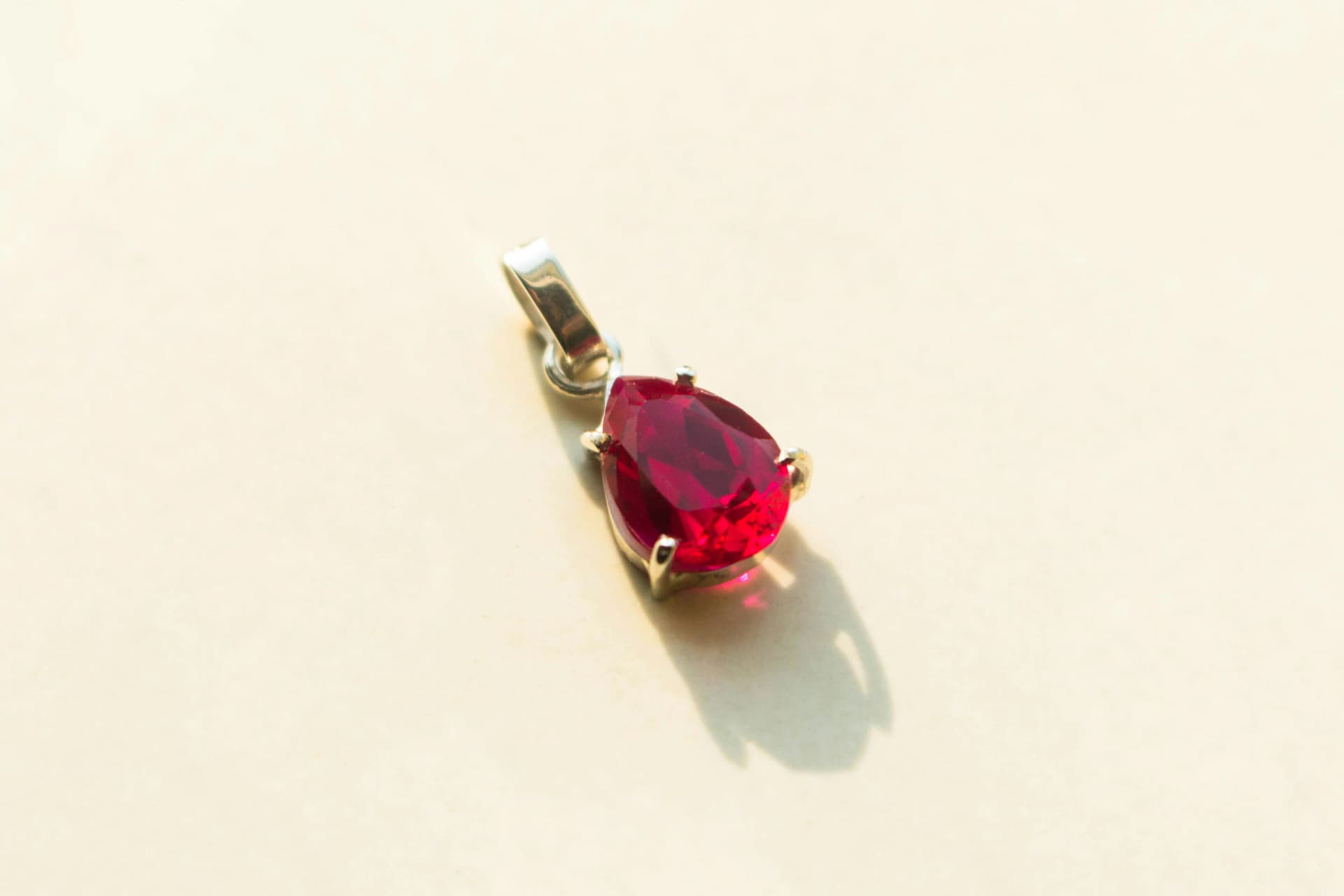
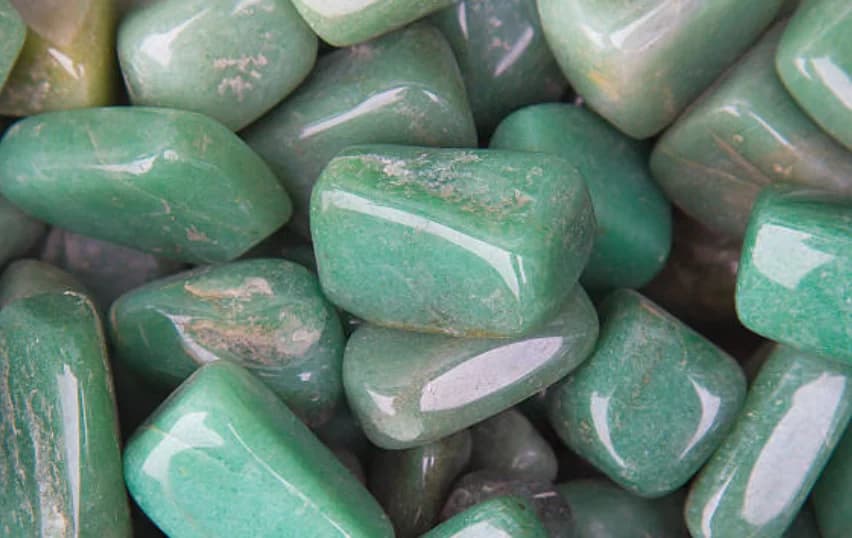
Zircon is a naturally occurring mineral, specifically zirconium silicate (ZrSiO₄), found in various hues including blue, yellow, green, brown, red, and colorless varieties.
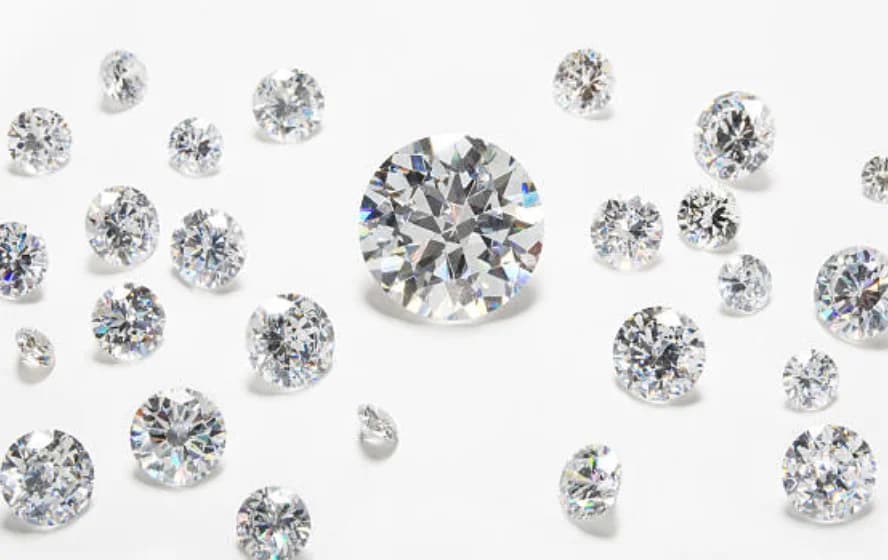
Its high refractive index and strong dispersion give it a brilliance and fire comparable to diamonds.
zircon should not be confused with cubic zirconia, a synthetic material with different properties.
If you're curious about the differences between natural and lab-created options, check out lab-grown diamonds vs gemstones for a deeper dive.
Physical Properties of Genuine Zircon
Hardness
Zircon ranks between 6 and 7.5 on the Mohs scale, indicating moderate hardness.
While it can resist scratches better than softer minerals, it is still susceptible to abrasion over time.
Refractive Index
With a refractive index ranging from 1.925 to 1.961, zircon exhibits significant brilliance.
Birefringence
Zircon displays strong birefringence (double refraction), causing facet edges to appear doubled when viewed through the top of the stone.
This characteristic is a key identifier.
Specific Gravity
Zircon's specific gravity varies between 4.6 and 4.7, making it denser than many other gemstones.
To explore more stunning alternatives, check out gemstone engagement rings featuring a variety of vibrant natural stones.
Visual Inspection Tips
Brilliance and Fire
Authentic zircon exhibits notable brilliance and fire, displaying multicolored flashes under light.
Doubling of Facets
Due to its birefringence, genuine zircon may show a doubling of facet edges when viewed from certain angles, especially through the table (top) of the stone.
Inclusions
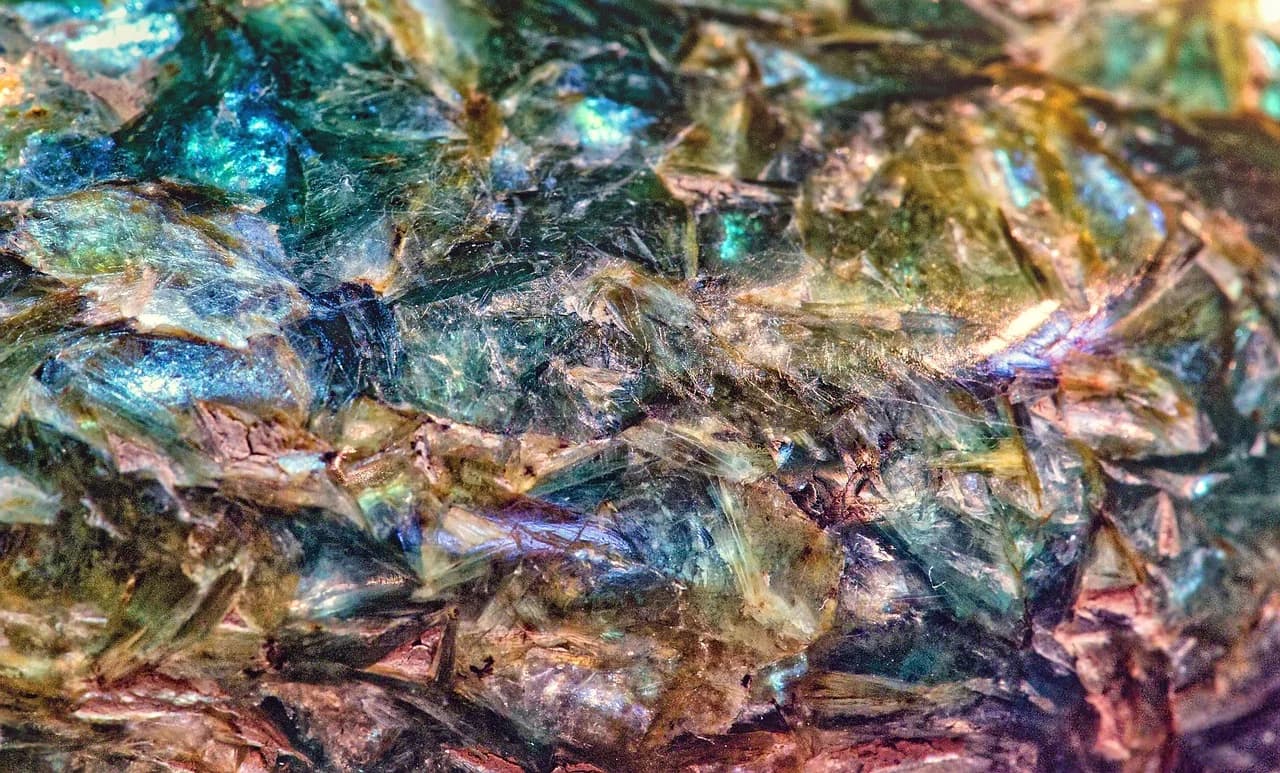
Natural zircons often contain inclusions such as needle-like structures or tension fissures, whereas synthetic stones tend to be flawless.
If you're looking for something truly personal and offbeat, check out non-traditional engagement rings for more creative gemstone choices.
Distinguishing Zircon from Cubic Zirconia
Composition
Zircon is a natural zirconium silicate, while cubic zirconia is a synthetic zirconium dioxide.
Hardness
Cubic zirconia is harder, rating about 8 to 8.5 on the Mohs scale, compared to zircon's 6 to 7.5.
Refractive Index
Cubic zirconia has a higher refractive index (2.15–2.18) than zircon, contributing to its distinct appearance.
Birefringence
Unlike zircon, cubic zirconia does not exhibit birefringence, so facet doubling is absent.
Specific Gravity
Cubic zirconia is denser, with a specific gravity between 5.6 and 6.0, compared to zircon's 4.6 to 4.7.
Still unsure about the science behind these stones? You might enjoy reading about how gemstones and diamonds are formed.
Professional Gemological Testing
For definitive identification, consider consulting a certified gemologist who can perform tests such as:
Refractometer Test
Measures the gemstone's refractive index to confirm its identity.
Specific Gravity Test
Determines density, aiding in distinguishing zircon from other gems.
Microscopic Examination
Reveals inclusions and birefringence patterns characteristic of zircon.
Purchasing Tips
Reputable Sellers
Buy from trusted jewelers or gemstone dealers who provide detailed information and certification.
Certification
Request a gemstone certificate from a recognized gemological laboratory to verify authenticity.
Price Consideration
Be cautious of prices that seem too good to be true; genuine zircon has intrinsic value.
Caring for Zircon Jewelry
Cleaning
Use warm, soapy water and a soft brush.
Avoid ultrasonic and steam cleaners, as zircon can be brittle.
Storage
Store separately to prevent scratches from harder gemstones.
Handling
Avoid exposure to sudden temperature changes and harsh chemicals.
If you’re planning to pair your gemstone with a band, have a look at diamond wedding rings for styles that complement colored stones beautifully.
FAQs
Is zircon the same as cubic zirconia?
No, zircon is a natural gemstone, whereas cubic zirconia is a synthetic diamond simulant.
Can zircon be used in engagement rings?
Yes, but due to its moderate hardness and brittleness, it's advisable to use protective settings and handle the ring with care.
You can explore durable and stunning options in gemstone engagement rings to find the perfect piece.
Does zircon come in different colors?
Yes, zircon is found in various colors, including blue, yellow, green, brown, red, and colorless varieties.