Exquisite Engagement Rings from the Victorian Era
Named after the youthful Queen Victoria, renowned for her love of exquisite jewelry, the Victorian era, spanning from 1835 to 1900, gave rise to captivating jewelry designs.
In short: Victorian engagement rings (1837-1901) span three sub-eras — early Romantic, mid-Grand, and late Aesthetic. Hallmarks include Old Mine and Old European cuts, hand-engraved 18kt yellow gold or silver-topped gold shanks, snake motifs (Prince Albert's gift to Victoria, 1839), and gemstone clusters spelling words by first letter (REGARD: ruby-emerald-garnet-amethyst-ruby-diamond). Genuine Victorian pieces typically run $3,500-25,000+ depending on diamond size and condition.
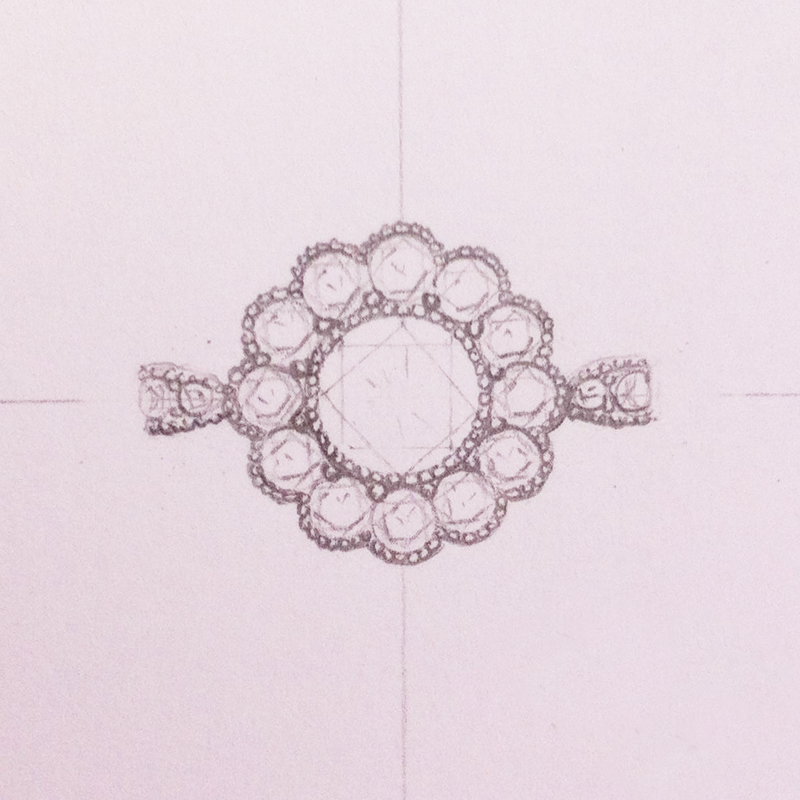
Crafted predominantly from rose or yellow gold, Victorian jewelry featured symbolic designs with delicate enamel and intricate engraving. Many individuals chose designs based on meaningful symbolism, with nature-inspired themes like thick branches and flowing flowers gaining widespread popularity. The snake, symbolizing eternity and wisdom, adorned many engagement rings.
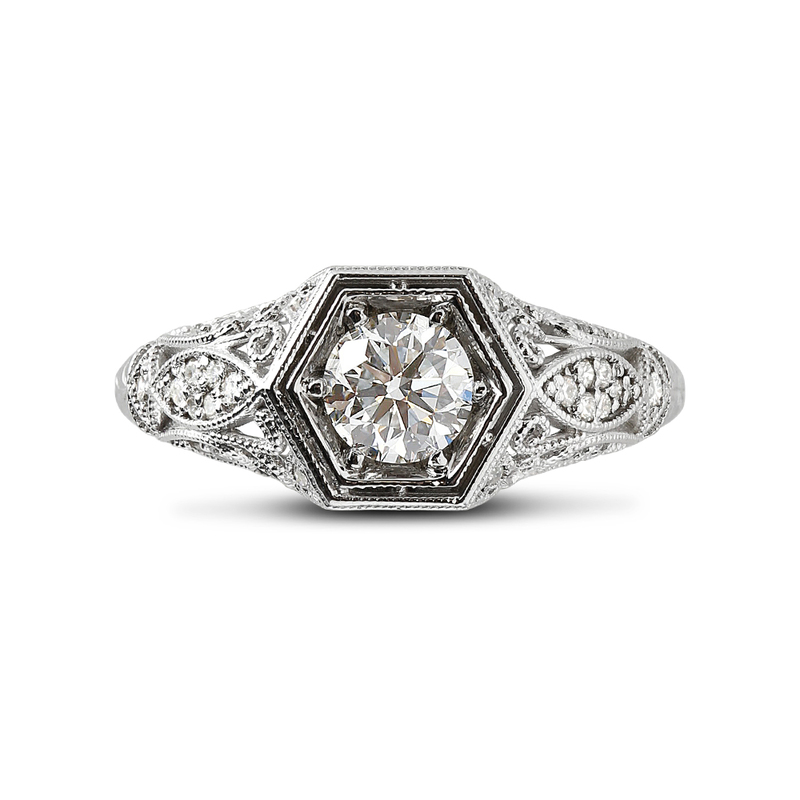
Regarding stones used in engagement rings, the majority preferred their birthstones. For example, garnet for January, amethyst for February, aquamarine for March, and so on. However, not everyone adhered to this, and common precious jewels included topazes, amethysts, emeralds, sapphires, rubies, and pearls.
It's worth noting that ring trends evolved during the Victorian Era. Early Victorian rings often featured an organic, serpentine design symbolizing continual love, crafted from 18 or 22-carat gold. In the Mid-Victorian Period (1860 to 1885), darker-colored gemstones like black opal and rose gold gained popularity. Finally, the Late Victorian era (1890 to 1901) witnessed a surge in the use of large diamonds.
Victorian engagement rings: frequently asked questions
What defines a Victorian engagement ring?
Made during Queen Victoria's reign (1837–1901), these rings are romantic and ornate — yellow and rose gold, hearts, flowers and snake motifs, often with colored gemstones alongside diamonds.
What diamonds are in Victorian rings?
Old mine and rose cuts, shaped by hand to sparkle under candlelight. They glow more softly than a modern brilliant, with larger, gentler facets.
Are Victorian rings a good buy?
They can be. A genuine antique offers real history and character, often at fair value — just buy from a seller who can confirm the age and condition.
How do I care for a Victorian ring?
Handle it gently and have the settings checked. Older cuts and softer gold can be delicate, so it's worth a periodic look from a jeweler who knows antique pieces.
