Engagement Ring Band Styles
The quest for the perfect engagement ring is undeniably challenging. You wouldn't want your partner to feel disappointed at the proposal because the chosen ring style doesn't match her taste. To assist you, we've compiled this guide on different engagement ring band styles.
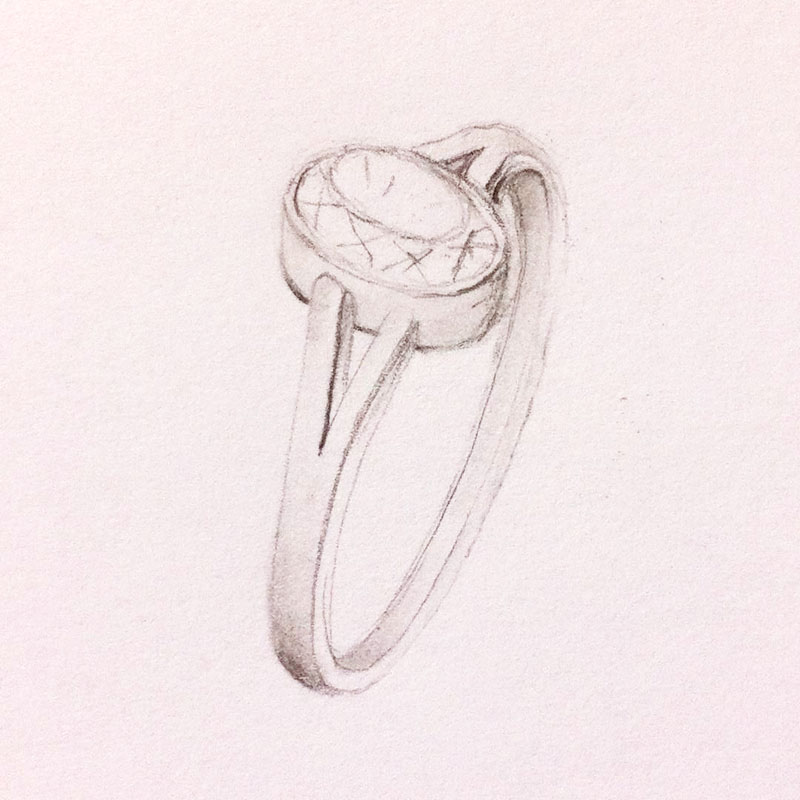
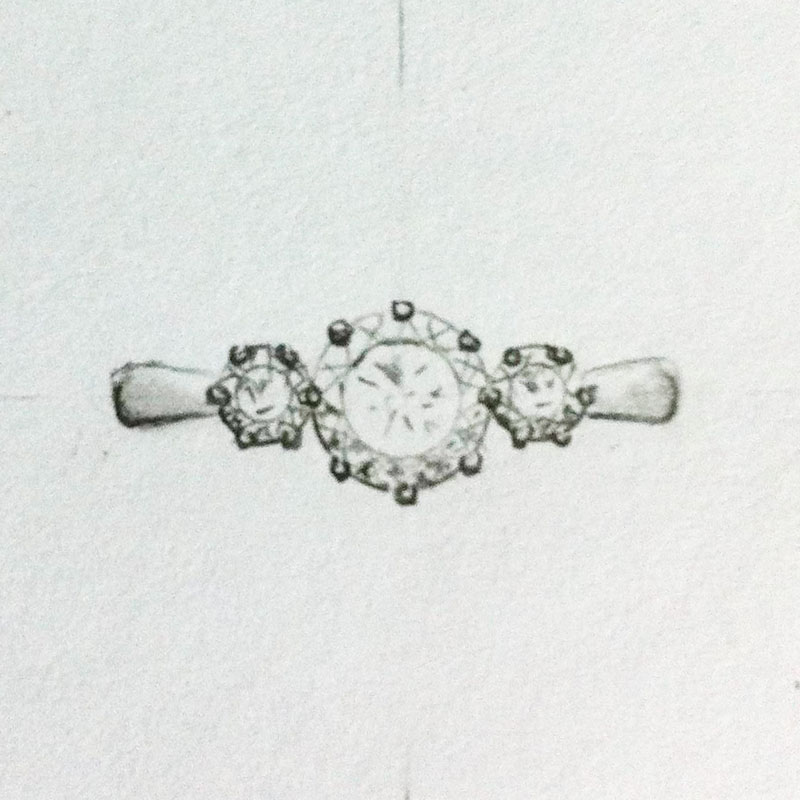
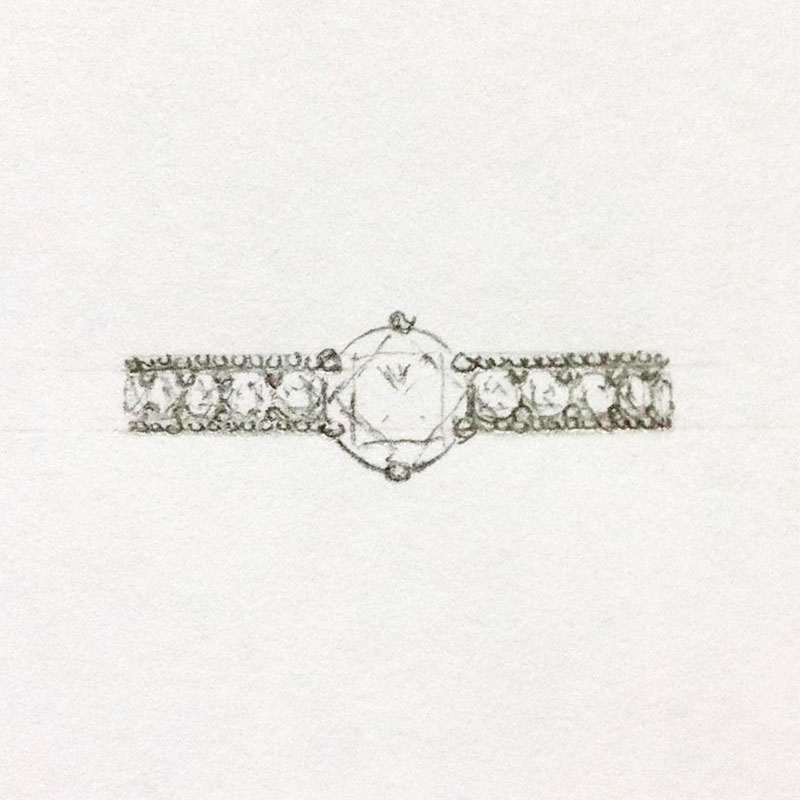
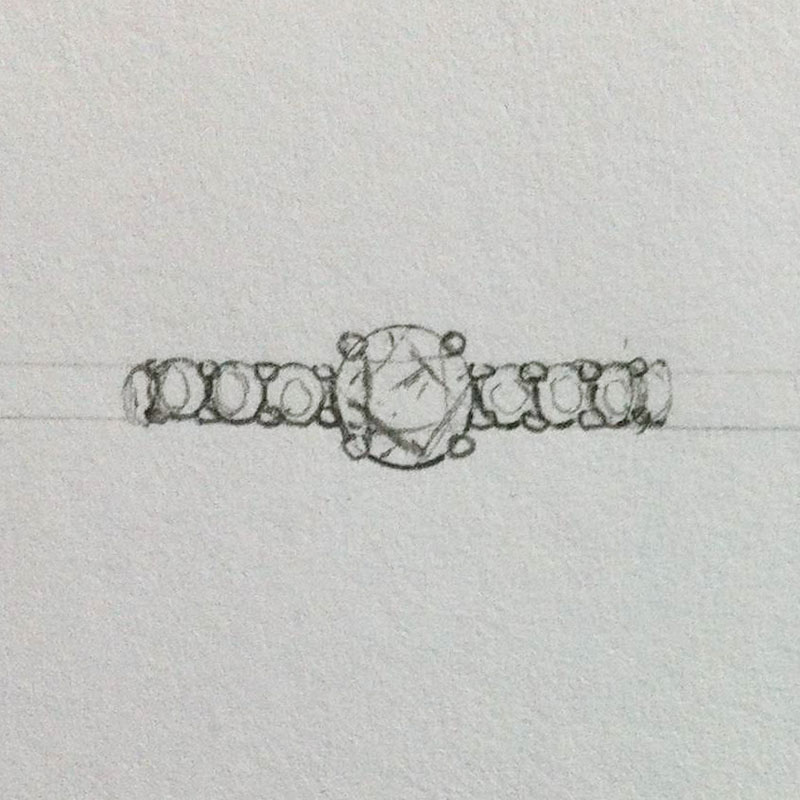
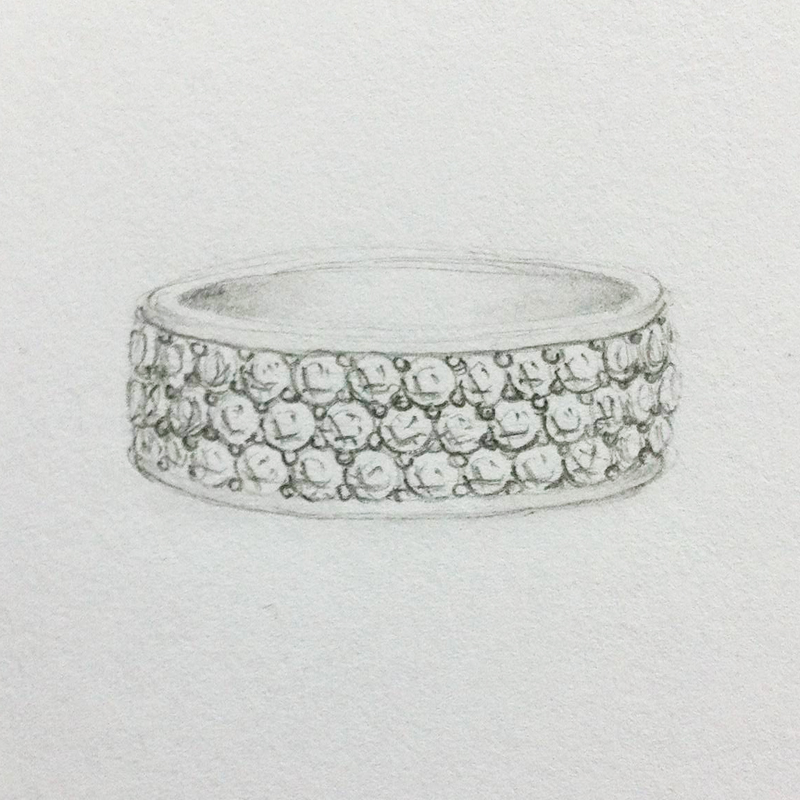
In short: The five core engagement ring band styles are plain (court or D-shape, ~60% of US sales), pavé (small diamonds along the shank), channel (diamonds inset between rails), twist (two strands crossing), and split-shank (band parts at the head). Plain bands resize easily and last decades; pavé bands typically need re-tipping every 8-12 years. 18kt yellow, white, rose gold, and platinum suit all five styles.
When choosing an engagement ring, don't overlook the importance of the band. It's not just about the diamond; the band is equally crucial. Ensure the size is right, and the style complements your partner's taste, harmonizing with the chosen diamond or gemstone for the central piece.
Start by deciding on the metal type - platinum, sterling silver, yellow gold, or rose gold. Yellow gold and platinum are commonly favored. However, take a look at the jewelry your partner wears daily to ensure it complements her style.
Next, choose the setting. Explore your options using the tabs on the left-hand side. Additionally, consider the option of having the inside of the band engraved. While engraving is popular for wedding rings, it's a beautiful touch for engagement rings if there's enough space.
Engagement ring band styles: frequently asked questions
What are the main band styles?
The classics are a plain band, pavé (small diamonds along the band), channel-set, twisted, split-shank and eternity-style bands.
Which band style is most comfortable?
A plain 'comfort fit' band, rounded on the inside, is the easiest to wear all day. Plain bands are also the simplest to resize later.
Do diamond-set bands affect durability?
They add lovely sparkle but the small stones need occasional checking. A plain band is the most hard-wearing and lowest-maintenance option.
How wide should the band be?
Around 1.8–2.2mm gives a delicate, modern look, while a wider band feels more substantial and balances a larger center stone.
