Diamond Carat
This is one of the easier diamond qualities to understand, as the carat weight simply refers to the diamond’s weight. However, it is vital to remember that the carat weight does not accurately reflect the size of the diamond. Some shapes can appear bigger than others despite having the same carat weight, for example, the Marquise diamond is well known for optimising carat weight. Find out more below.
In short: One diamond carat equals 200 milligrams (0.2 grams) — a unit of weight, not size. Diameter scales gradually: a 0.50ct round brilliant measures ~5.2mm across, 1.00ct ~6.5mm, 2.00ct ~8.2mm. UK retailers price diamonds in per-carat bands (0.50ct, 0.70ct, 1.00ct, 1.50ct) with sharp jumps at each threshold. Buying just under a threshold (e.g. 0.95ct) typically saves 10-20% at near-identical face-up size.
The word carat is used widely in jewellery because ‘karat’ is also the word for the purity of gold, so it is important not to get the two confused. Carat is a unit of weight, and it can often be shown as ct. One carat is equal to 200 milligrams, and you will often see carats divided into points. One point equates to 0.01 carat, i.e. two milligrams. The UK officially accepted ‘carat’ as the measurement for diamonds in 1914 and it is now the standardised measurement all over the globe.
As well as the cut, colour, and clarity, the carat weight is one of the key factors that play a pivotal role in determining the price of a diamond. Generally, the heavier the diamond is, the more expensive it is. This is even more so the case because heavier diamonds are more scarce. Nevertheless, remember heavier does not translate to bigger, and thus the cut and the shape of the diamond needs to be carefully considered too.
On the hand
See it, true to size.
Try our live size visualiser — pick a shape and carat weight to see it at actual scale on a real hand, with a skin-tone control so you can judge presence before you buy.
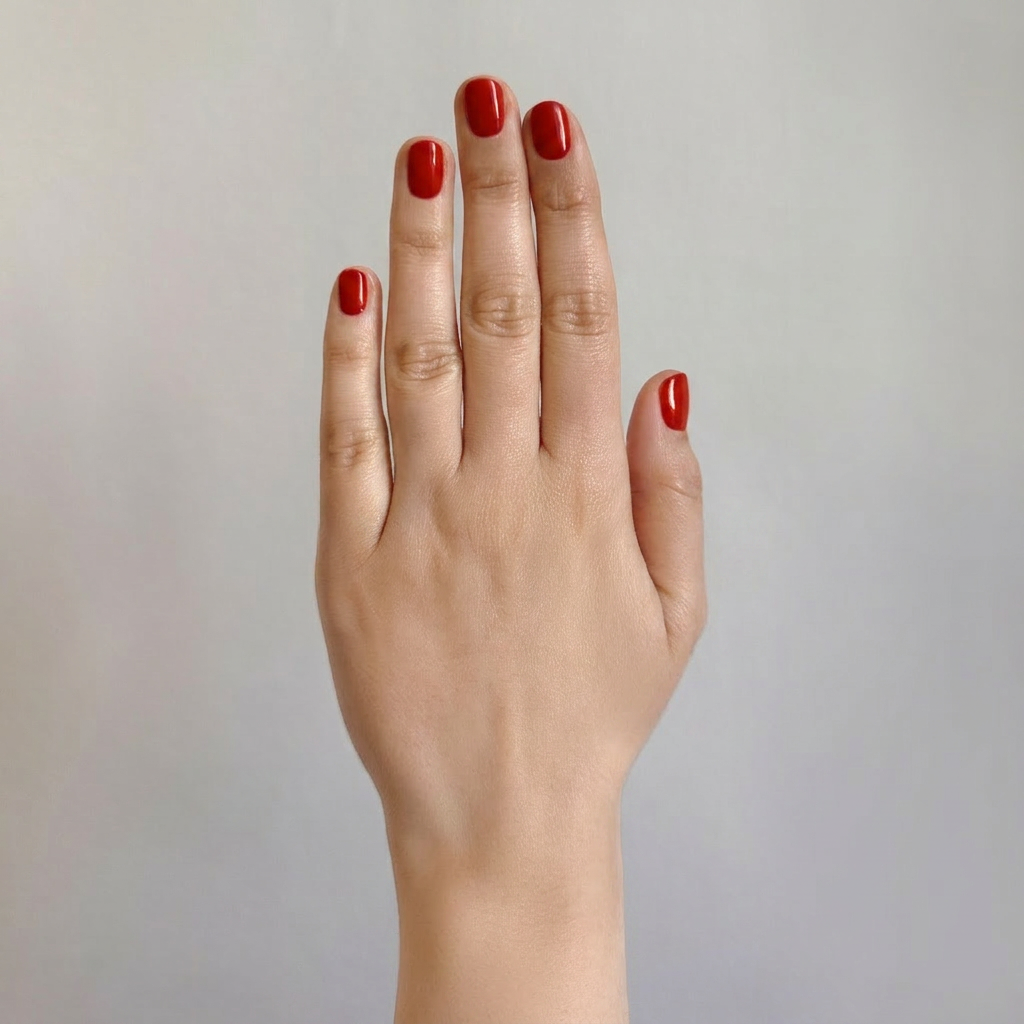
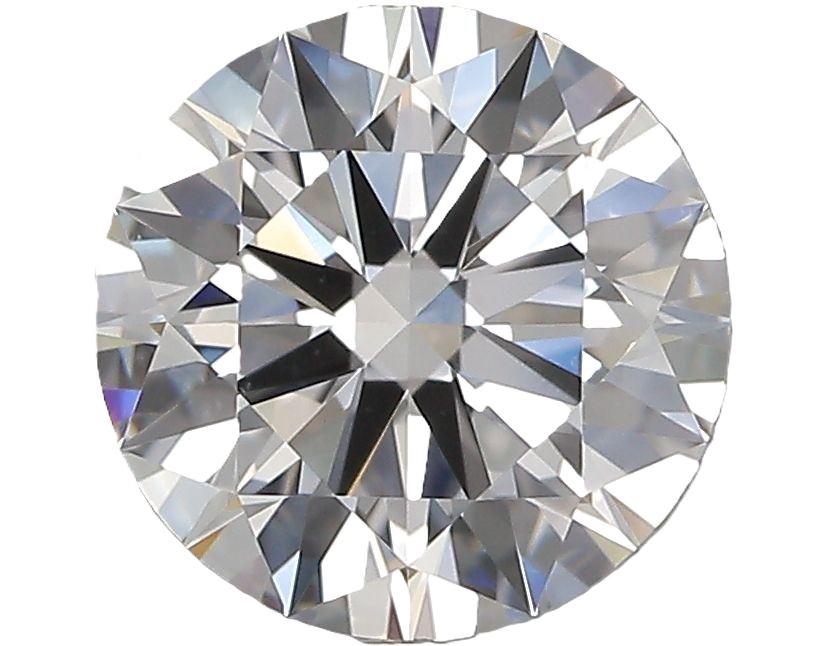
Carat is denoted by ‘ct’
1 carat = 0.2 gram
5 carat = 1.0 gram
The name ‘carat’ is derived from the name of the carob or locust tree (Ceratonia siliqua) found in Mediterranean lands. The dried seed of this tree were once used by traders as unit of weight for gems because the seeds have remarkably consistent which is around 1/5 gram.
Aside from this, one tip to bear in mind when buying is that it is a good idea to go for a carat weight that falls just show of the popular weights, such as 1 ct. and ½ ct. This is advisable because you can often benefit from a slightly lower price, as the diamond will fall just shy of the popular carat weight.
Oversizes may trade at 5% to 15% premiums over similar quality straight size.
Oversizes are: (0.60-0.69), (0.80-0.89), (0.96-0.99), (1.30-1.49), (1.75-1.99), (2.50+), (3.50+) and (5.50+)
Diamond carat: frequently asked questions
What is a carat?
A carat is a unit of weight, not size — one carat equals 0.2 grams (200 milligrams). It is written as ct.
Is carat the same as a diamond’s size?
Closely related but not identical. Two diamonds of the same carat can look different sizes depending on their cut and shape — elongated shapes such as oval or marquise tend to look larger for their weight.
What carat weight should I choose?
It depends on budget and the wearer’s hand. One to 1.5ct is the most popular range. A useful tip: buying just under a round number (say 0.90ct instead of 1.00ct) can save money for a size difference no one will notice.
Why does price jump at 1 carat and 2 carats?
Prices rise sharply at these “magic sizes” because demand clusters there and larger rough is rarer. Sitting just below a magic size is one of the easiest ways to save.
Does carat affect price the most?
Carat drives price the fastest of the 4Cs, and the rise is steep rather than linear — a 2ct diamond costs far more than twice a 1ct of the same quality.
